Dopamine Discovery Sheds Light on Alzheimer's Reversal
Can Dopamine Restore Memories?
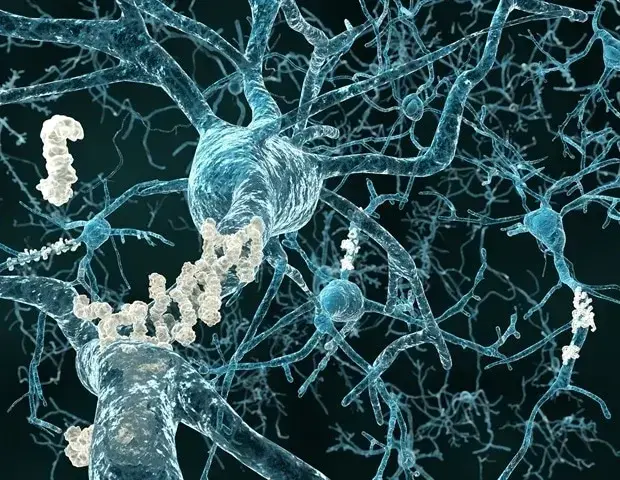
Researchers at Tohoku University, in collaboration with the University of California, Irvine, have made a groundbreaking discovery about Alzheimer's disease on May 18, 2026. The study identified a previously unknown mechanism underlying memory impairment in Alzheimer's patients.
Health news
 Sleep May Be the Heart's Nightly Repair Window, Study Suggests
 APOE Genotype Influences How Well Blood Tau Protein Predicts Cognitive Decline
 Pancreatic Cancer Hijacks Blood-Clotting System to Evade Immune Attack
 Survey Reveals Most Men Unaware Dairy May Increase Prostate Cancer Risk
The research team found that dopamine dysfunction plays a significant role in the development of memory loss associated with Alzheimer's. This neurotransmitter is crucial for various cognitive functions, including memory and learning.
Restoring dopamine levels or function could potentially reverse or halt memory decline in Alzheimer's patients. The study's findings suggest that targeting dopamine dysfunction may offer a new therapeutic approach for treating Alzheimer's.
Uncovering the Dopamine Link
The researchers used a combination of techniques to investigate the role of dopamine in Alzheimer's. Their results showed that dopamine dysfunction is a key factor contributing to memory impairment.
The consequences of this discovery are significant, as it could lead to the development of novel treatments for Alzheimer's disease. If dopamine dysfunction can be addressed, it may be possible to restore memories in patients with Alzheimer's, improving their quality of life.
Frequently Asked Questions
What is the main finding of the study? The study identified dopamine dysfunction as a previously unrecognized mechanism underlying memory impairment in Alzheimer's. This discovery could lead to new therapeutic approaches.
How does dopamine affect Alzheimer's? Dopamine dysfunction contributes to memory loss associated with Alzheimer's. Restoring dopamine levels or function may potentially reverse or halt memory decline.
Can this discovery lead to new treatments? Yes, targeting dopamine dysfunction may offer a new therapeutic approach for treating Alzheimer's, potentially restoring memories in patients.
Content written by Marcus Reid for wellness-bio-radar.com editorial team, AI-assisted.