New Research Distinguishes Cancer Risks Among Ultra-Processed Foods
Beyond the Processing Label
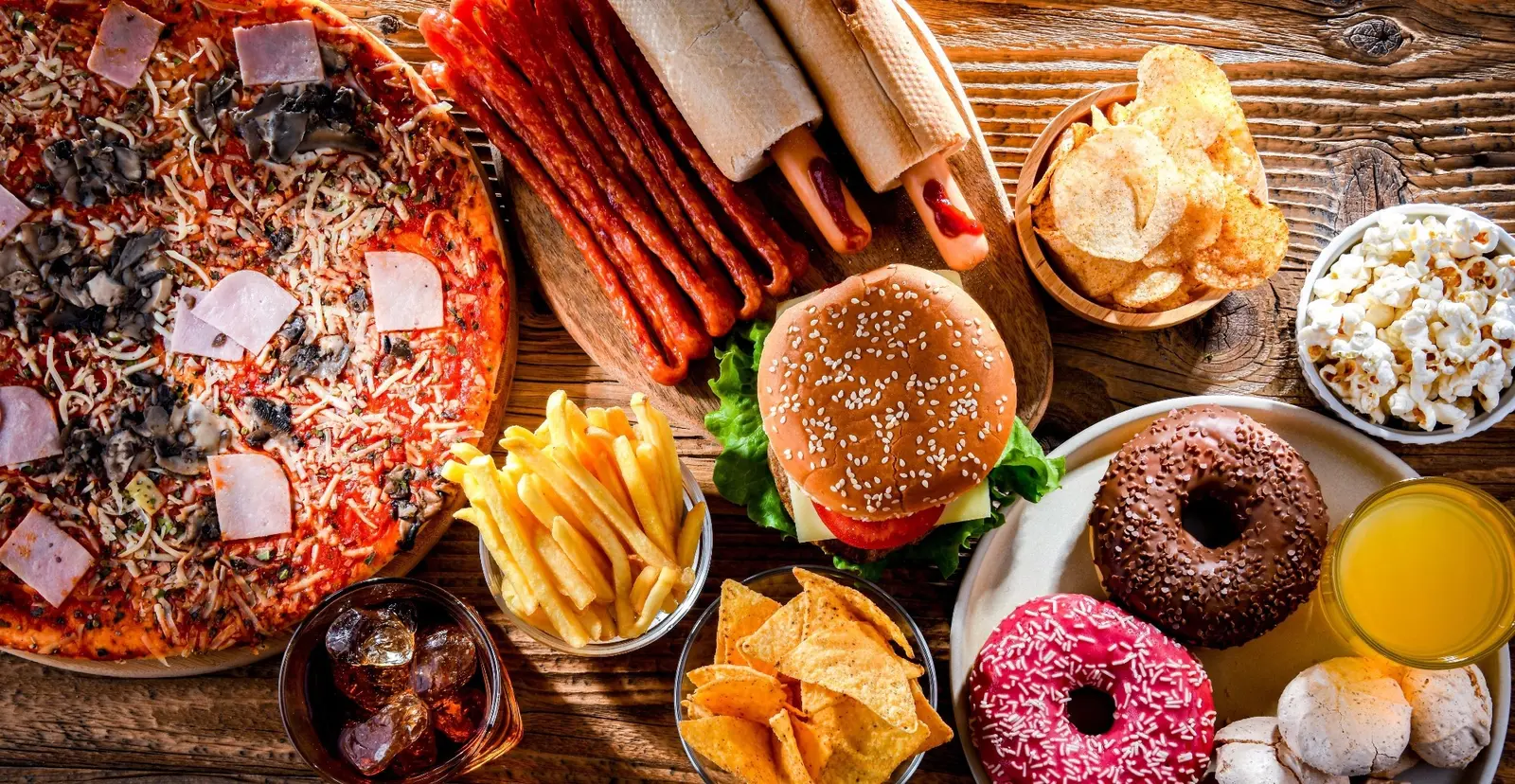
A major study involving the NIH-AARP Diet and Health cohort has challenged the idea that all ultra-processed foods carry identical cancer risks. Researchers analyzed dietary habits in the United States to determine how specific food categories influence colorectal cancer development, suggesting that broad processing labels may oversimplify complex nutritional impacts on human health.
Health news
 Ethical Decision-Making for Mental Health Professionals Using Large Language Models
 AI Discovers Hidden Health Data in Everyday CT Scans
 Ultra‑Processed Food Drives Up National Health Costs by $360,000 a Year
 Scientists engineer CAR-NK immune cells directly inside the body using mRNA nanoparticles
The investigation highlights that grouping all ultra-processed items together obscures significant differences in health outcomes. While current public health messaging often warns against the entire category, the data indicates that nutritional quality remains paramount. Factors such as fiber content, whole grain inclusion, and dairy consumption appear to mitigate or exacerbate risks differently than the mere fact of industrial processing.
The study emphasizes that a food’s chemical composition is more predictive of cancer risk than its manufacturing stage. Processed meats, for instance, showed distinct associations with colorectal cancer that were not replicated in other ultra-processed categories like yogurt or whole-grain breads. This nuance suggests that consumers should prioritize the specific ingredients and nutrient profiles of their food rather than avoiding all industrial products indiscriminately.
Are All Industrial Foods Created Equal?
Researchers examined long-term data to track how various dietary patterns correlate with disease incidence. By isolating specific food groups, the team identified that the presence of beneficial nutrients often offsets the negative effects typically attributed to processing. This finding challenges the current trend of labeling all ultra-processed goods as uniformly harmful, urging a more sophisticated approach to dietary guidelines.
The findings suggest that the industry must refine how it classifies food for public health advice. Future dietary recommendations may shift toward identifying the specific components that drive disease rather than relying on broad processing categories. This evolution in research could lead to more effective strategies for cancer prevention that focus on nutrient density and ingredient quality.
Frequently Asked Questions
By shifting the focus from processing methods to specific food groups, scientists hope to provide clearer guidance for the public. Understanding these distinctions allows individuals to make informed choices that reduce their risk of colorectal cancer without unnecessarily restricting their entire diet. Continued research will be essential to clarify which specific additives or processing techniques pose the greatest threats to long-term health.
Does processing always increase cancer risk? No, the study indicates that the specific ingredients and nutritional content matter more than the processing label itself. Some ultra-processed foods contain beneficial nutrients that may help lower overall risk.
Should people stop eating all ultra-processed foods? Not necessarily, as the research suggests that some categories are safer than others. Experts recommend focusing on whole grains, fiber, and dairy while limiting processed meats to maintain a healthy diet.
Content written by Dr. Nathan Cole for wellness-bio-radar.com editorial team, AI-assisted.