
Ultra-Processed Foods Linked to Higher Risk of Multiple Diseases and Early Death
Industrial Food Choices Drive Chronic Illness Rates
A major new study reveals that high consumption of ultra-processed foods significantly raises the risk of chronic illnesses and premature mortality. Researchers analyzed dietary habits across a large population to determine how these industrialized products affect long-term health outcomes. The findings suggest a direct correlation between diet quality and overall survival rates.
Health news
 The Hidden Dangers Lurking Within Popular Shilajit Supplements
 Global Health Body Rejects Weight Loss Medications for Young Children
 Early Detection of Alzheimer’s: Blood Test Meets Digital App
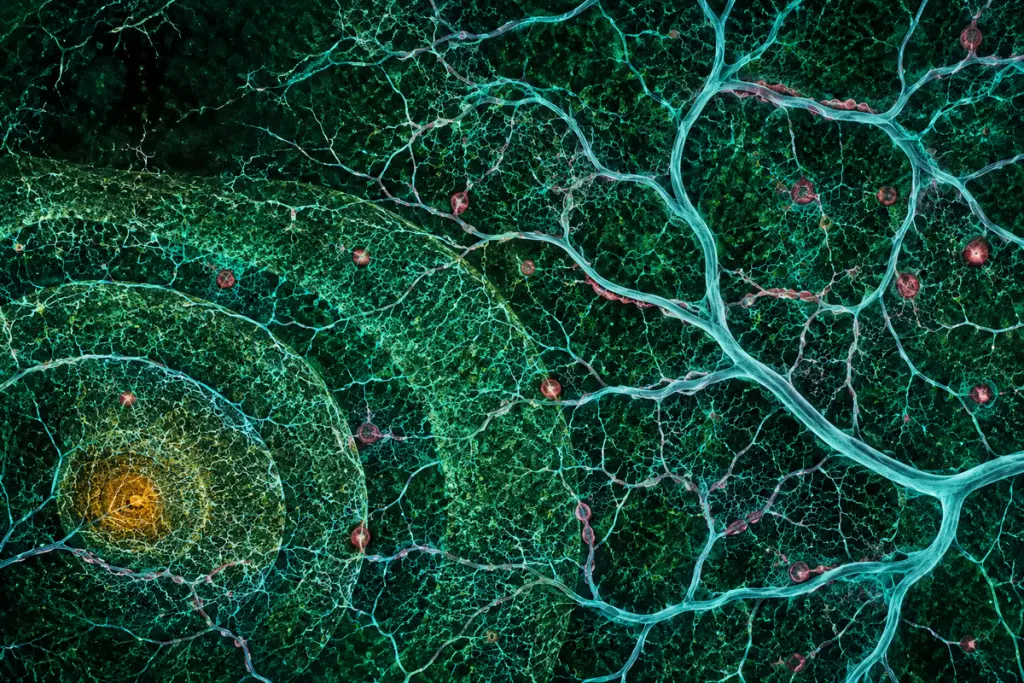 Diabetic Retinal Gene Therapy Shows Early Promise After Three Years
The investigation focused specifically on ultra-processed items, which include packaged snacks, ready-meals, and sugary beverages. These products often contain additives, preservatives, and refined ingredients that differ from minimally processed whole foods. Scientists tracked participants over time to observe how dietary patterns influenced the onset of various medical conditions. The results indicate that the more such foods individuals consume, the greater their likelihood of developing serious health issues.
The data highlights a clear trend where higher intake of ultra-processed items correlates with increased disease prevalence. Participants who relied heavily on these convenient foods showed elevated markers for cardiovascular problems and metabolic disorders. This pattern holds true even after accounting for other lifestyle factors like physical activity and smoking status. The study underscores that the composition of modern diets plays a critical role in public health trends. Researchers noted that the sheer volume of processed food in daily meals contributes to systemic inflammation and nutrient deficiencies.
Does Cutting Back on Packaged Foods Improve Longevity?
Health experts emphasize that these products are designed for convenience rather than nutritional value. They often lack fiber, vitamins, and minerals found in fresh produce and lean proteins. Instead, they provide empty calories that can lead to weight gain and insulin resistance. The link between these dietary choices and early death is particularly concerning for younger demographics. As urbanization increases, access to quick, cheap, and processed meals becomes more common globally. This shift away from traditional cooking methods may be reshaping the global burden of non-communicable diseases.
While the study establishes a strong association, it does not prove that eliminating all processed foods guarantees a longer life. However, reducing reliance on these items appears to lower the statistical probability of early mortality. The researchers suggest that swapping out packaged goods for home-cooked meals could mitigate some of these risks. This approach allows for better control over salt, sugar, and fat levels. Public health guidelines may soon reflect these findings by recommending stricter limits on ultra-processed item consumption.
The implications for future healthcare systems are significant. Preventing chronic diseases through dietary intervention could reduce the strain on hospitals and clinics. Policymakers might consider labeling reforms to help consumers identify highly processed products more easily. Education campaigns focusing on food preparation skills could empower families to make healthier choices. Ultimately, the evidence points toward a need for broader societal changes in how we produce and consume food.
Frequently Asked Questions
What counts as an ultra-processed food? Ultra-processed foods are industrial formulations that contain ingredients rarely found in home kitchens. Examples include soft drinks, instant noodles, and pre-packaged breakfast cereals.
Can small dietary changes make a difference? Yes, replacing just one or two processed items per day with whole foods can improve nutrient intake. Consistent changes over time help lower the cumulative risk of chronic diseases.
Are all processed foods bad for you? Not necessarily. Minimally processed items like frozen vegetables or plain yogurt are generally healthy. The concern lies specifically with ultra-processed products containing many additives.
Content written by Dr. Nathan Cole for wellness-bio-radar.com editorial team, AI-assisted.