New Therapeutic Target Identified for Sickle Cell and Beta Thalassemia
Molecular Mechanisms Behind Red Blood Cell Defects
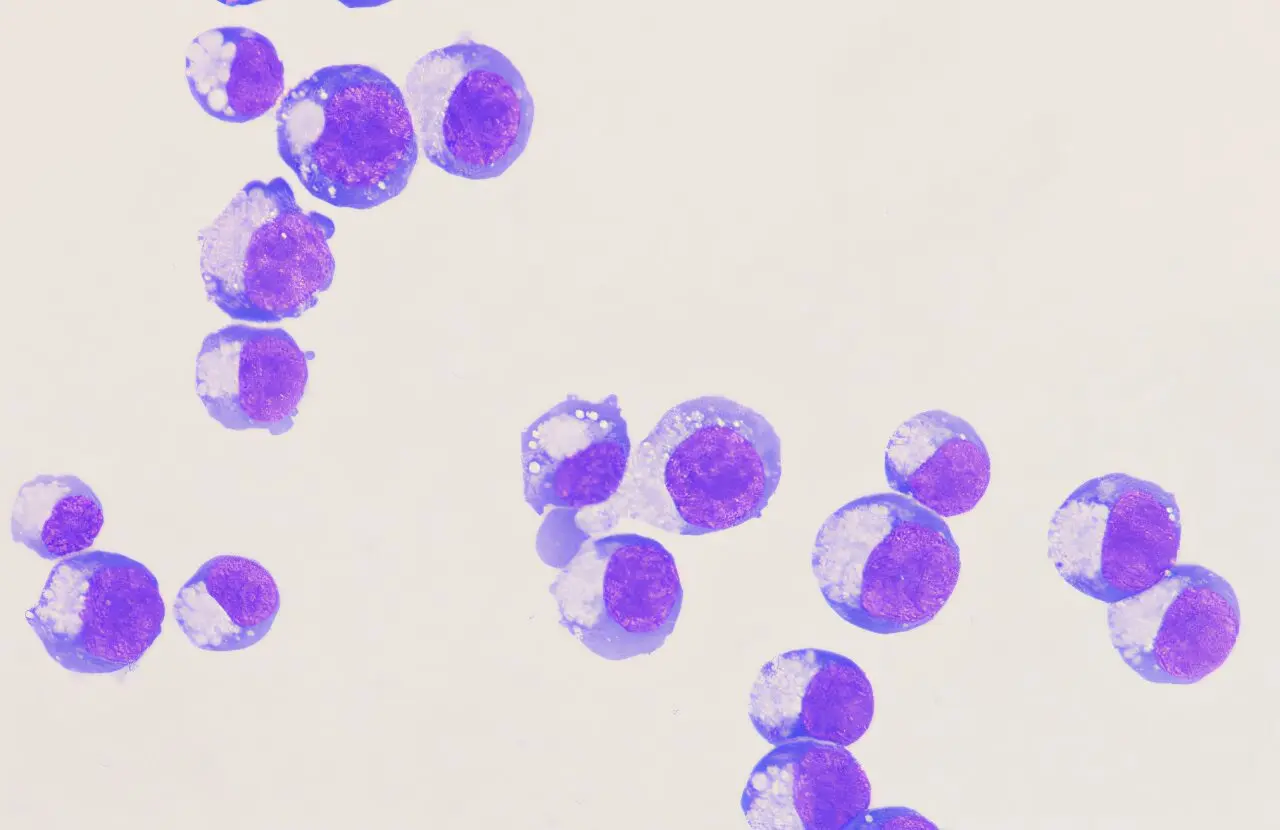
Researchers at Harvard Medical School have identified a novel molecular target for treating sickle cell disease and beta thalassemia. The discovery was made by scientists working at Boston Children's Hospital and the Dana-Farber Cancer Institute. This finding offers a fresh approach to managing these severe blood disorders. The team focused on red blood cell precursors known as erythroblasts. Their work aims to improve outcomes for patients suffering from chronic pain and organ damage.
Health news
 Early Detection of Alzheimer’s: Blood Test Meets Digital App
 Diabetic Retinal Gene Therapy Shows Early Promise After Three Years
 Study Links Pregnancy Complications to Future Heart and Kidney Disease
 Study identifies RGS4 protein as potential target for chronic pain
The study highlights specific cellular mechanisms that drive the production of abnormal hemoglobin. By understanding how erythroblasts mature, scientists can intervene earlier in the disease process. This targeted strategy could reduce the need for frequent blood transfusions. It may also lower the risk of complications associated with long-term management. The research provides a clearer map of the biological pathways involved in these genetic conditions.
Can Early Intervention Change Patient Outcomes?
The investigation centered on the lifecycle of red blood cells. In healthy individuals, erythroblasts develop into functional cells that carry oxygen efficiently. However, in patients with sickle cell disease or beta thalassemia, this process is disrupted. The researchers examined how specific proteins influence cell survival and function. They found that altering certain signaling pathways could stabilize the red blood cells. This stabilization prevents them from becoming rigid or fragile. The findings suggest that blocking specific enzymes might restore normal cell behavior. Such interventions could be delivered through small molecule drugs or gene therapies. The precision of this approach minimizes side effects compared to broader treatments.
Early intervention remains a critical goal in hematology. Current treatments often address symptoms after they have already caused significant harm. The new target allows for potential prophylactic strategies. Patients might receive therapy before severe crises occur. This shift could transform the daily lives of those living with these diseases. The research team plans to validate these findings in clinical settings soon. Collaboration between academic institutions and pharmaceutical partners will likely accelerate development. If successful, this method could become a standard part of care protocols. It represents a significant step toward curative options rather than just management.
The identification of this new target opens doors for future drug development. Clinical trials are expected to test the efficacy of therapies targeting these specific pathways. Patients may experience fewer hospitalizations and improved quality of life. The scientific community views this as a promising milestone in hematological research. Continued funding and collaboration will determine the speed of translation to the clinic. Ultimately, this work brings hope for a more effective and less invasive treatment landscape.
Frequently Asked Questions
What specific cells were studied in this research? The study focused on erythroblasts, which are immature red blood cell precursors. These cells are central to the pathology of both sickle cell disease and beta thalassemia. Understanding their development helps identify points where therapy can intervene effectively.
How does this new target differ from existing treatments? Current therapies often manage symptoms or require complex procedures like stem cell transplants. This new molecular target allows for targeted pharmacological intervention. It aims to correct the underlying cellular defect directly without major surgical risks.
Content written by Medical Xpress for wellness-bio-radar.com editorial team, AI-assisted.