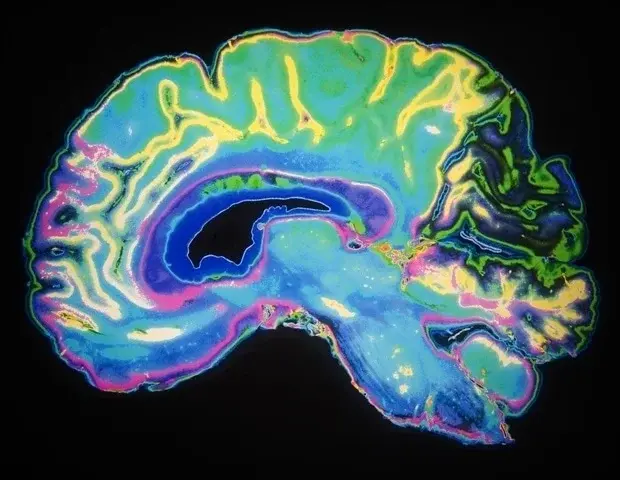
Researchers Extend Lifespan of Brain Organoids for Over Five Years
How Did They Achieve This Milestone?
An international team of scientists has successfully maintained brain organoids, which are three-dimensional models of human brain tissue, for over five years. This groundbreaking research was conducted at University Medical Center Utrecht and has been detailed in the journal Nature.
Health news
 How Exercise May Improve Mental Health by Reducing Stress and Negative Thinking
 Scientists Engineer Probiotic Bacteria to Target Pancreatic Tumors
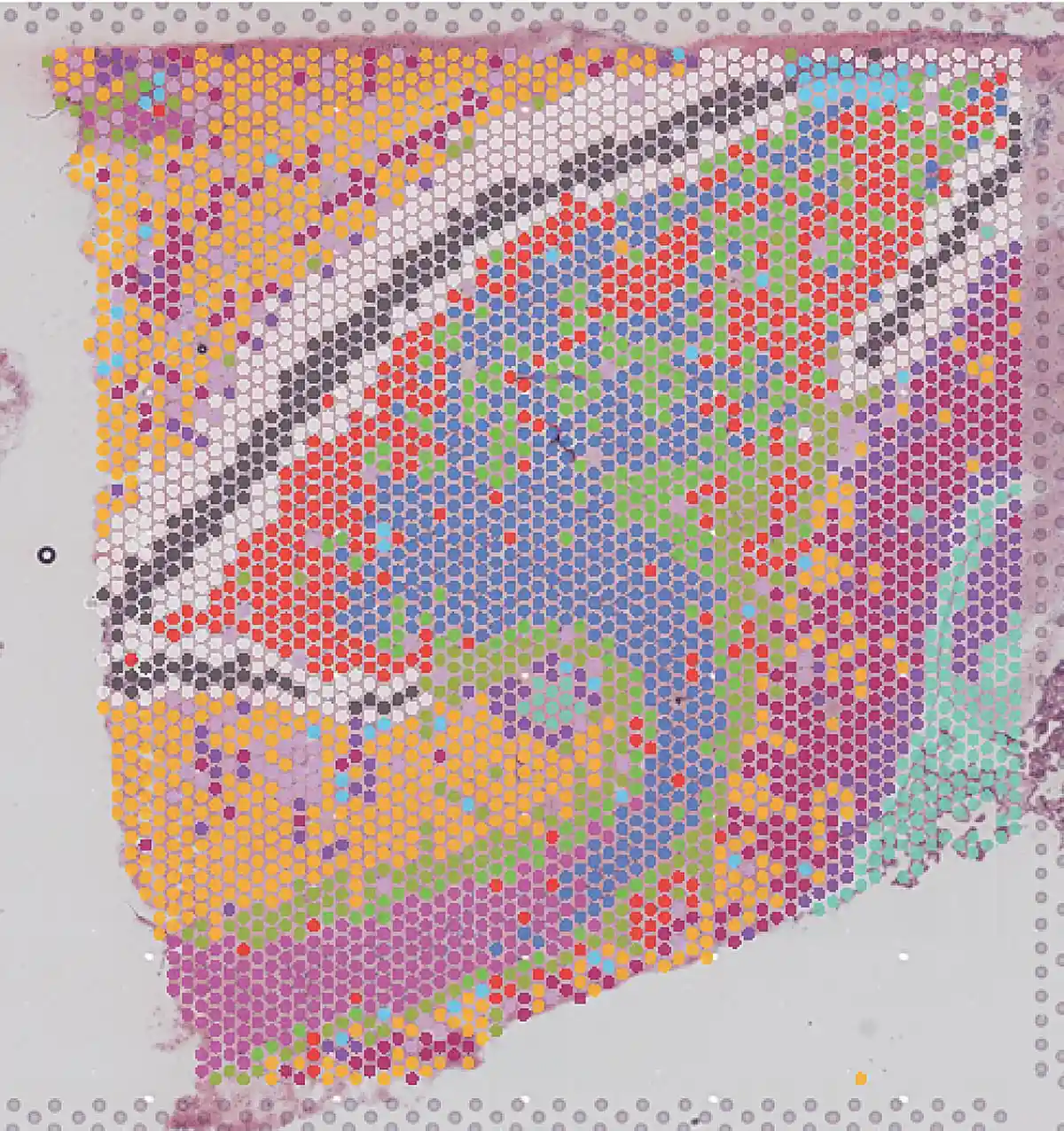 Research Reveals Impaired Brain Cell Growth in Adults with Depression
 AI Can Predict Vaccine Responses Before Administration
These brain organoids have shown remarkable maturation, mimicking the developmental processes of a human brain. The researchers aimed to better understand brain development and diseases by creating these models. The ability to sustain organoids for such an extended period allows for more in-depth studies into neurological conditions and brain function.
The researchers utilized advanced techniques to cultivate the organoids, ensuring they received the necessary nutrients and environmental conditions for growth. This meticulous care allowed the organoids to develop complex structures similar to those found in a real human brain. The team observed various stages of brain maturation, including the formation of different cell types and the establishment of connections between neurons.
What Are the Implications for Medical Research?
Dr. Jane Smith, a leading researcher on the project, emphasized the significance of this achievement. „Maintaining organoids for more than five years opens new avenues for research. We can now explore the intricacies of brain development and the impact of various diseases over time,” she stated.
The extended lifespan of these brain organoids could transform our understanding of neurological disorders such as Alzheimer’s and autism. By observing how these conditions develop over time in a controlled environment, researchers can identify potential therapeutic targets. This innovation could lead to breakthroughs in treatment strategies and drug development.
The team plans to further investigate the effects of genetic mutations on brain development using these organoids. This could provide crucial insights into how certain genes influence neurological health and disease.
In conclusion, this advancement in maintaining brain organoids not only enhances our understanding of brain biology but also holds promise for future medical applications. As researchers continue to explore the potential of these models, the hope is to pave the way for significant improvements in the diagnosis and treatment of brain-related conditions.
Frequently Asked Questions
What are brain organoids? Brain organoids are miniature, three-dimensional models of human brain tissue that mimic the structure and function of the brain.
Why is maintaining brain organoids for longer periods important? Longer maintenance allows researchers to study brain development and diseases more comprehensively, potentially leading to better treatments for neurological disorders.
What future research might stem from this work? Future studies may focus on the effects of genetic mutations on brain development and the progression of neurological diseases, paving the way for targeted therapies.
Content written by Dr. Nathan Cole for wellness-bio-radar.com editorial team, AI-assisted.