
Low-oxygen treatment extends lifespan of diseased mice
The Science Behind the Breakthrough
A team of scientists at the Gladstone Institutes has discovered that low-oxygen treatment can significantly extend the lifespan of mice with mitochondrial defects. This breakthrough has sparked hopes that humans with similar conditions may also benefit from this innovative approach.
Health news
 Sleep May Be the Heart's Nightly Repair Window, Study Suggests
 APOE Genotype Influences How Well Blood Tau Protein Predicts Cognitive Decline
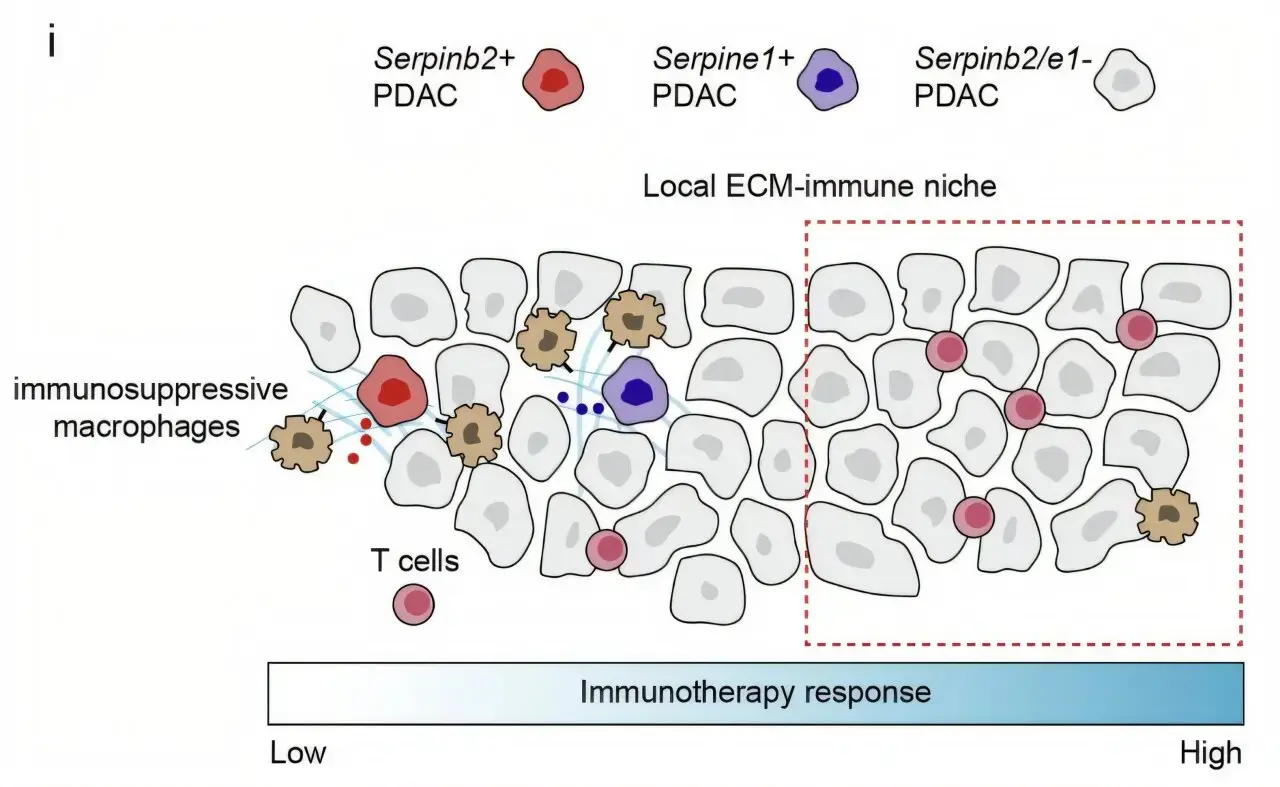 Pancreatic Cancer Hijacks Blood-Clotting System to Evade Immune Attack
 Survey Reveals Most Men Unaware Dairy May Increase Prostate Cancer Risk
Mitochondria are the powerhouses of our cells, responsible for generating energy through a process known as oxidative phosphorylation. When these organelles become defective, it can lead to a range of diseases, including cancer and neurodegenerative disorders. In the study, the researchers used a technique called hypoxiato reduce oxygen levels in the mice's cells, effectively slowing down their metabolism and alleviating the damage caused by the mitochondrial defects.
While the results of the study are promising
The researchers found that the low-oxygen treatment triggered a series of cellular responses that helped to repair damaged mitochondria and reduce oxidative stress. This, in turn, led to a significant increase in the lifespan of the diseased mice, with some living up to three times longer than their untreated counterparts. According to Ankur Garg, one of the lead researchers, Our findings suggest that hypoxia can be a powerful tool in the treatment of mitochondrial diseases, and we are eager to explore its potential in humans. Can Humans Benefit?
While the results of the study are promising, it's essential to note that the treatment is still in its early stages and much more research is needed to determine its safety and efficacy in humans. However, the fact that the treatment was able to extend the lifespan of diseased mice is a significant step forward, and could potentially lead to new avenues of treatment for humans with mitochondrial diseases.
Frequently Asked Questions
Content written by Dr. Elena Voss for wellness-bio-radar.com editorial team, AI-assisted.