Scientists Identify Protein Driving Age-Related Organ Damage
How Granzyme K Affects Organ Function
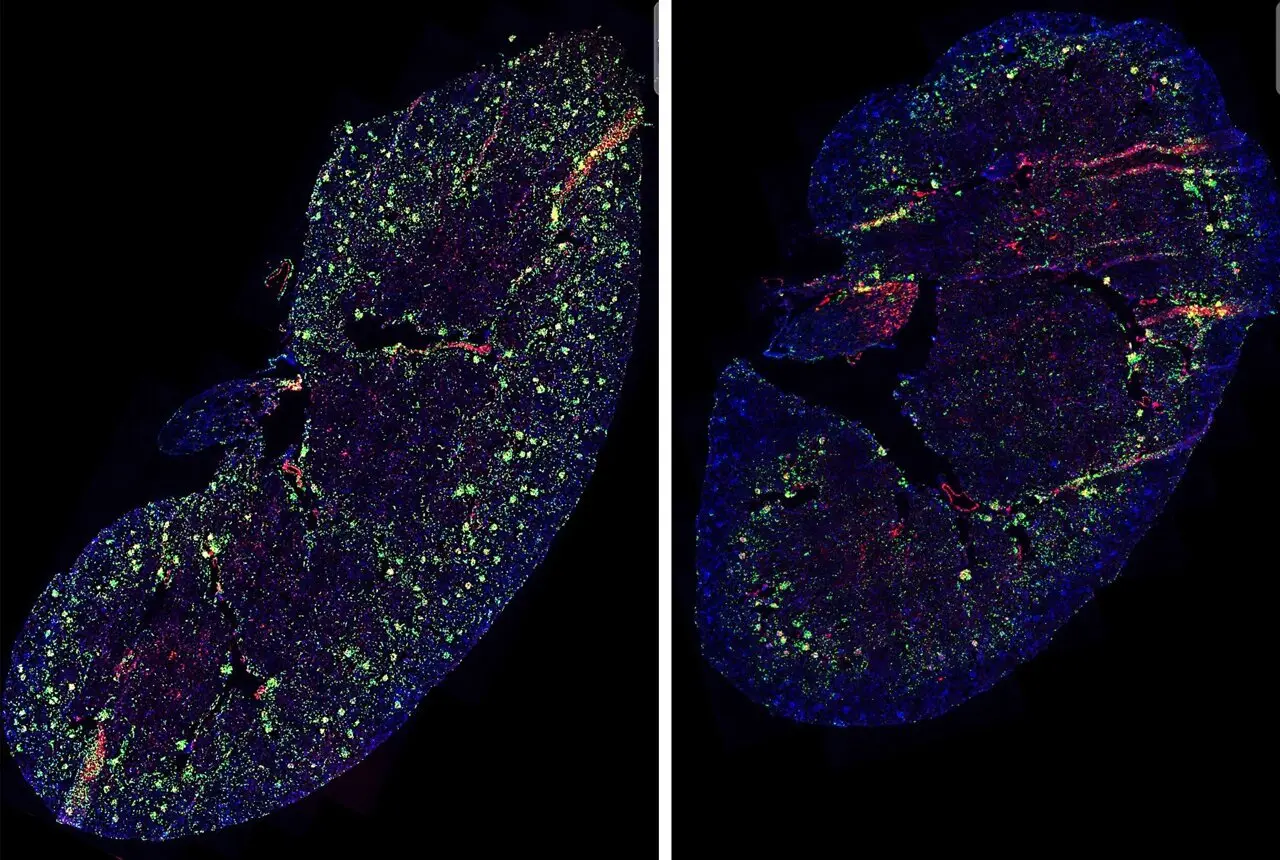
Monash University researchers have identified a protein that drives age-related damage in vital organs, opening a potential new avenue for treatments that could help people stay healthier as they get older. Published in Immunity, the research revealed a link between the protein granzyme K and the aging process.
Health news
 Exercise and Mood: Italian Study Links Physical Activity to Lower Depression Symptoms
 Screen Time in Childhood Linked to Unexpected Cognitive Boost in Teens, 8‑Year Study Shows
 Workplace stress and anxiety are taking a heavy toll on employees, with one in three workers reporting that the strain is not easing
 Daily Food Habit Tied to Lower Risk of Anxiety and Depression
The study focuses on granzyme K, a protein previously associated with immune responses. The team discovered that this protein plays a direct role in the deterioration of organs as the body ages. This finding shifts the understanding of aging from a purely genetic process to one involving specific molecular triggers.
Granzyme K was found to accumulate in tissues over time. This accumulation correlates with the loss of organ function. The researchers observed that blocking this protein in animal models slowed the progression of age-related decline. This suggests that targeting granzyme K could be a viable strategy for extending healthy lifespan. The study provides a clear molecular target for drug development.
Can Targeting This Protein Reverse Aging?
The research does not claim to reverse aging entirely. Instead, it offers a mechanism for slowing the process. By inhibiting granzyme K, the body may maintain organ integrity longer. This opens the door for new therapeutic approaches. The work was published in the journal Immunity, lending credibility to the findings.
The discovery has significant implications for gerontology. If granzyme K is a driver of organ damage, pharmaceutical companies can now design drugs to neutralize it. This could lead to treatments that keep organs functional for longer. The study marks a shift from symptom management to cause-based intervention.
Frequently Asked Questions
What is granzyme K? Granzyme K is a protein originally linked to immune cell activity. The study shows it also drives age-related organ damage.
Why is this finding important? It identifies a specific molecular target for aging-related diseases. This allows for more precise therapeutic interventions.
Where was this research published? The study appeared in the peer-reviewed journal Immunity. It was conducted by researchers at Monash University.