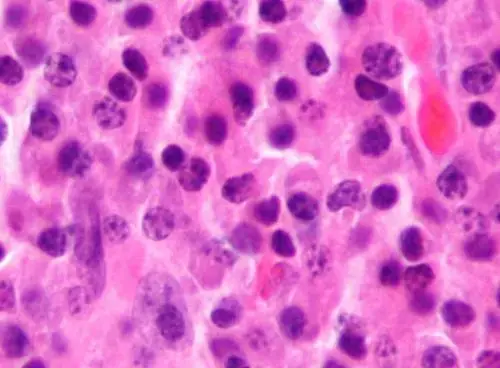
Teclistamab Extends Remission in Relapsed Myeloma
A New Hope for Relapsed Myeloma Patients
Patients with relapsed multiple myeloma treated with teclistamab, an immunotherapy, showed significant remission extension. The treatment was tested on patients at various medical centers. Results were presented after a considerable follow-up period.
Health news
 Whey Protein Hydrolysate Rich in Tryptophan Peptides Reduces Anxiety and Improves Sleep
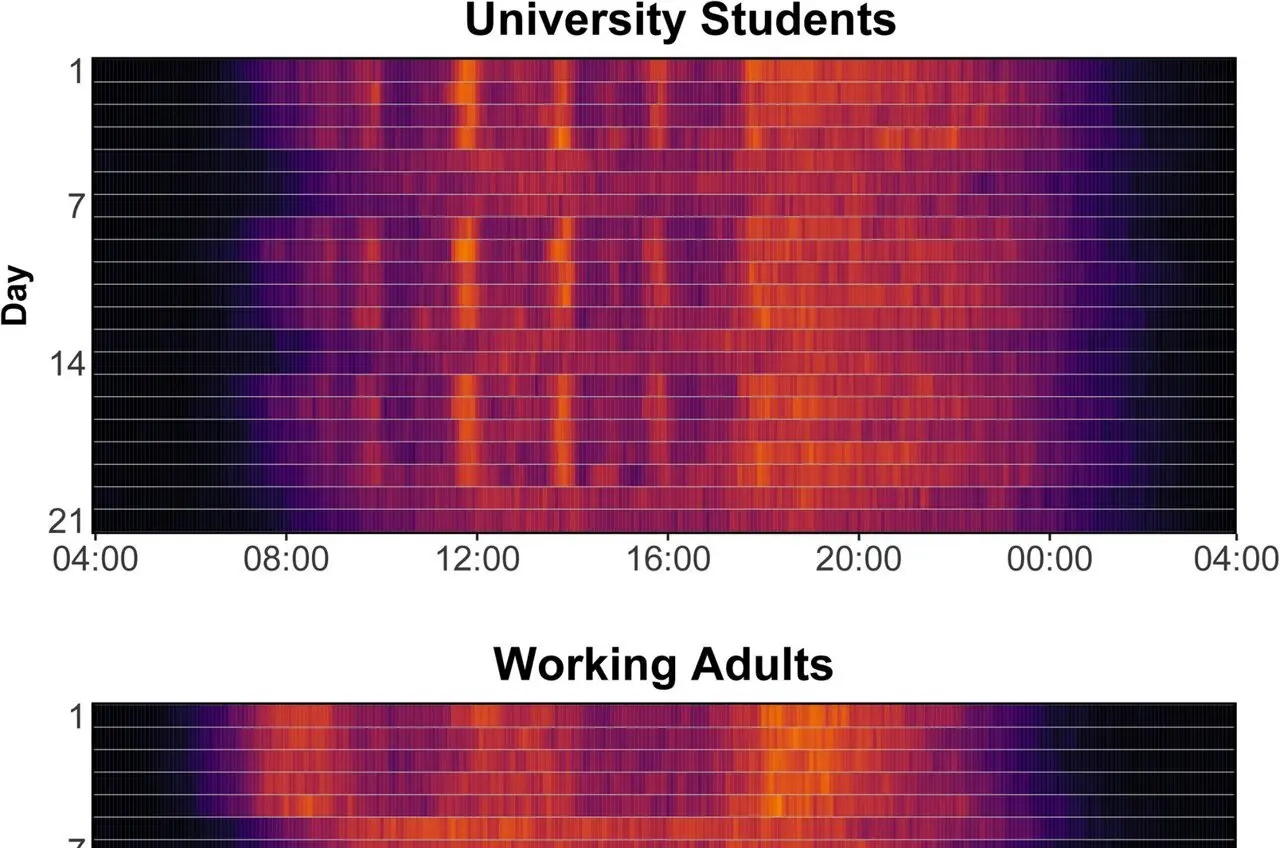 Students Lagg Behind Seniors in Physical Activity, Study Shows
 Sleep May Be the Heart's Nightly Repair Window, Study Suggests
 APOE Genotype Influences How Well Blood Tau Protein Predicts Cognitive Decline
Teclistamab works by targeting specific cells in the immune system, redirecting them to attack cancer cells. This bispecific antibody therapy has shown promise in treating relapsed multiple myeloma, a condition where cancer returns after initial treatment.
Can Teclistamab Change the Treatment Landscape?
In the study, a substantial proportion of patients responded positively to teclistamab, with their cancer going into remission. At 18 months, 70% of patients were progression-free, indicating a significant extension of remission. This outcome is particularly encouraging for patients with limited treatment options.
The study's findings suggest that teclistamab could become a valuable treatment option for relapsed multiple myeloma. As researchers continue to explore the therapy's potential, patients may benefit from improved outcomes and increased survival rates.
The success of teclistamab in clinical trials raises questions about its potential to alter the current treatment landscape for multiple myeloma. As more data becomes available, clinicians may increasingly turn to this immunotherapy as a viable option.
Frequently Asked Questions
With teclistamab showing such promise, the outlook for patients with relapsed multiple myeloma is improving. As research continues, it is likely that this therapy will play a significant role in shaping the future of myeloma treatment.
What is teclistamab? Teclistamab is a bispecific antibody therapy that redirects immune cells to attack cancer cells. It is being tested in clinical trials for relapsed multiple myeloma. How effective is teclistamab? At 18 months, 70% of patients treated with teclistamab were progression-free, indicating a significant extension of remission. What does this mean for myeloma patients? The success of teclistamab in clinical trials offers new hope for patients with relapsed multiple myeloma, potentially improving outcomes and survival rates.
Content written by Dr. Nathan Cole for wellness-bio-radar.com editorial team, AI-assisted.