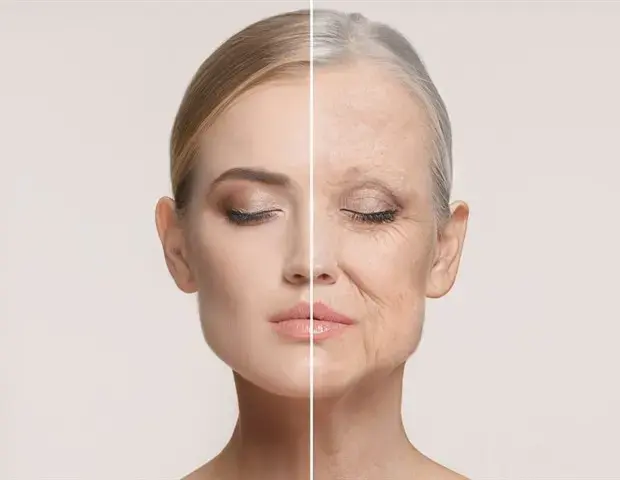
Age‑Related Decline of a Macrophage Receptor Linked to Organ Deterioration
Diminished Receptor Activity Sparks Inflammatory Cascade
Researchers at Stanford Medicine have pinpointed a specific receptor on tissue‑resident macrophages that loses function with age, impairing the cells’ ability to clear other immune cells. The discovery emerged from experiments on aged mice and cultured human immune cells, and was published in July 2026.
Health news
 Voice Recording Predicts Age, Reveals New Biological Clock
 Popular Zero-Calorie Sweeteners May Pass Effects to Future Generations
 Movement Patterns Linked to Longevity
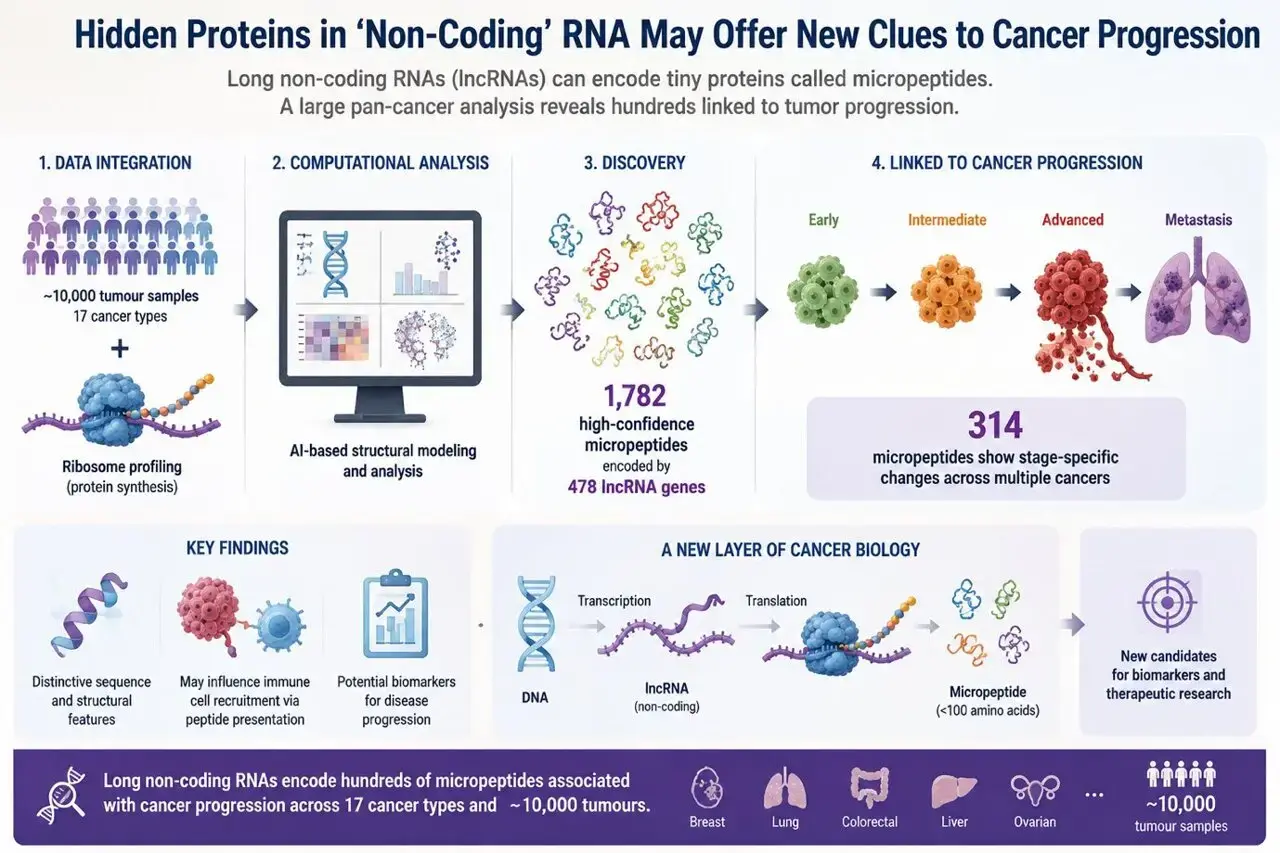 Hidden Proteins In Non-Coding RNA May Explain Cancer Spread
The team found that the receptor’s activity drops sharply after middle age, reducing macrophage phagocytosis of senescent neutrophils. Accumulated dead cells trigger chronic inflammation, a hallmark of organ aging. By restoring receptor signaling in mice, the scientists observed rejuvenated tissue function and lower inflammatory markers. The work suggests that the receptor could be a therapeutic target for age‑related diseases.
In young animals, the receptor efficiently binds and ingests aging neutrophils, preventing their buildup. In older specimens, the binding affinity fell by more than 60 %, according to flow‑cytometry data. „We saw a clear correlation between receptor loss and tissue‑wide inflammation,” said senior author Dr. Maya Patel. The researchers also noted that human macrophages derived from donors over 65 displayed similar deficits, confirming cross‑species relevance.
Can Targeting This Receptor Slow Organ Aging?
Restoring receptor function with a small‑molecule agonist reduced inflammatory cytokines by 45 % in aged mouse livers. Histological analysis showed fewer fibrotic deposits and improved vascular integrity. These findings imply that the receptor’s decline is not merely a symptom but a driver of organ‑level aging.
The study raises the possibility that drugs enhancing receptor activity could delay age‑related decline. Early‑stage trials in rodents have already demonstrated extended healthspan without extending lifespan. „If we can safely boost this pathway in humans, we may mitigate many chronic conditions linked to aging,” Dr. Patel noted. However, the team cautions that long‑term effects remain unknown, and human trials are still years away.
Future research will explore combination therapies that pair receptor agonists with lifestyle interventions such as diet and exercise. The investigators also plan to map the receptor’s signaling network to identify downstream effectors that could be modulated independently.
Frequently Asked Questions
What type of immune cell loses its ability to clear other cells with age? Tissue‑resident macrophages gradually become less efficient at engulfing senescent neutrophils as the receptor’s function declines.
Is the receptor the same in mice and humans? Yes, the receptor is conserved across species, and both mouse and human macrophages exhibit comparable age‑related reductions in activity.
Could enhancing this receptor reverse existing organ damage? Early animal studies suggest it can reduce inflammation and improve tissue health, but reversing established damage in humans remains speculative pending further trials.
Content written by Marcus Reid for wellness-bio-radar.com editorial team, AI-assisted.