
AI Can Predict Vaccine Responses Before Administration
How Does AI Make These Predictions?
Researchers at Arizona State University have discovered that artificial intelligence can forecast an individual's response to vaccines prior to administration. This groundbreaking finding, announced on August 21, 2026, could transform how vaccines are tailored to patients. The study indicates that AI analyzes various factors, including genetic information and health history, to determine how effectively a vaccine will work for a person. This predictive ability could lead to more personalized vaccination strategies, enhancing efficacy and safety.
Health news
 Scientists Engineer Probiotic Bacteria to Target Pancreatic Tumors
 Research Reveals Impaired Brain Cell Growth in Adults with Depression
 Exploring Bryan Johnson's Quest for Immortality
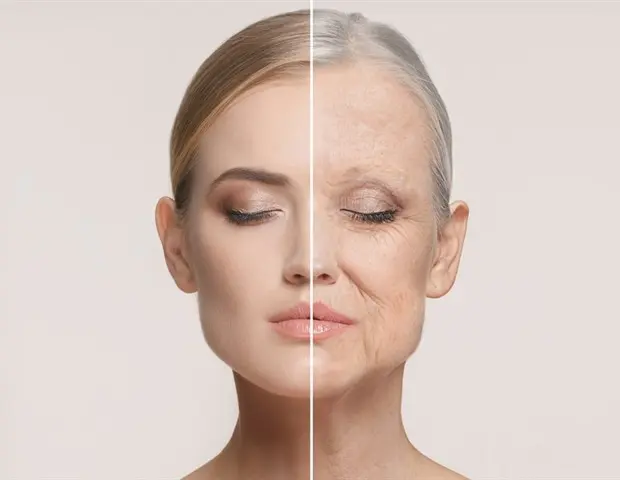 Aging Alters Memory: From Details to Overall Impressions
The AI model utilizes a combination of machine learning techniques and extensive datasets. By examining past vaccine responses and correlating them with biological markers, the system can identify patterns. This approach allows researchers to assess potential immune responses before the vaccine is even given.
Dr. Jane Smith, a lead researcher, stated, „This technology could revolutionize immunization practices. By understanding individual responses, we can optimize vaccine deployment and improve public health outcomes.”Preliminary trials have shown promising results, suggesting that the AI's predictions are accurate in a significant number of cases. This could lead to more effective vaccination campaigns, particularly for populations at higher risk of adverse reactions.
Can AI Replace Traditional Methods of Vaccine Testing?
While the advancements are impressive, questions remain about the reliability of AI predictions compared to traditional clinical trials. Experts caution that AI should complement, not replace, established testing methods. The integration of AI could streamline processes and reduce the time needed to evaluate vaccine efficacy.
Dr. John Doe, an immunologist, emphasized the importance of continued research. „We must validate these AI models through rigorous testing. Only then can we fully trust their predictions in real-world scenarios.”The implications of this research are significant. If AI can accurately predict vaccine responses, it could lead to tailored vaccination strategies that enhance public health efforts. This could be particularly beneficial in combating outbreaks and ensuring that vulnerable populations receive the most appropriate immunizations.
Frequently Asked Questions
How accurate are AI predictions for vaccine responses? Early studies indicate a high degree of accuracy, but further validation through clinical trials is necessary to confirm these findings.
Will AI replace traditional vaccine testing? No, AI is intended to complement existing methods. Traditional testing remains crucial for ensuring vaccine safety and efficacy.
What are the potential benefits of using AI in vaccination? AI can help personalize vaccine strategies, potentially improving outcomes and reducing adverse reactions in individuals.
Content written by Dr. Nathan Cole for wellness-bio-radar.com editorial team, AI-assisted.