Experimental Vaccine Triggers Immune Response Against Pancreatic Cancer Mutations
Trial Design And Key Findings
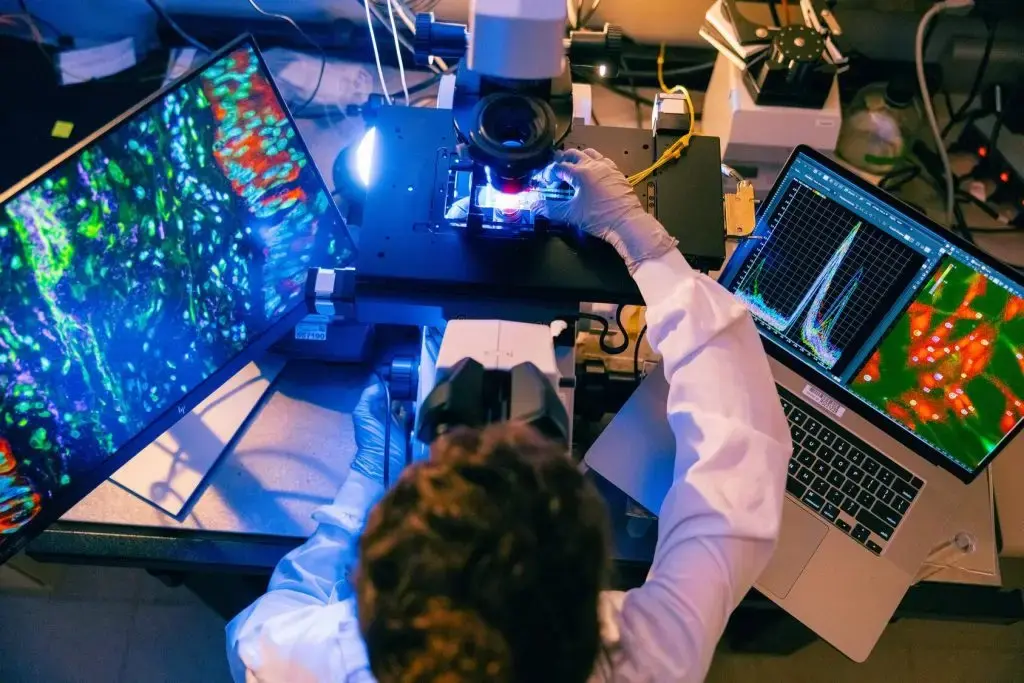
Rochester, Minnesota — Mayo Clinic researchers reported that an investigational vaccine successfully prompted the immune system to identify and attack specific KRAS mutations. These genetic changes drive the majority of pancreatic cancer cases. The team conducted a randomized phase 2 clinical trial to test this approach. Results were published in the journal Nature Medicine. This study marks a significant step toward developing targeted immunotherapy options for patients.
Health news
 Hyperthymesia reveals deep secrets of human memory
 Petrelintide Delivers Significant Weight Loss in Diabetes Trial
 Targeted White Light May Ease Migraine Pain
 Tiny Peptide Targets Zombie Cells for Removal
The trial focused on KRAS, a gene frequently mutated in pancreatic tumors. Most pancreatic cancers carry these alterations, making them prime targets for immune recognition. The vaccine was designed to train T-cells to spot these abnormal proteins. When the immune system detects the mutation, it launches an attack on the cancer cells. This mechanism offers hope for a disease known for its aggressive nature. The study provides critical data needed to justify moving forward with larger-scale testing.
What Does This Mean For Future Trials?
Researchers enrolled participants in a controlled environment to measure safety and efficacy. The primary goal was not to cure the disease but to prove the concept. They assessed whether the vaccine could generate a measurable immune response. Data showed that participants developed antibodies and T-cell activity against the targeted mutations. This biological reaction suggests the vaccine works as intended. The findings provide a strong foundation for future development. Scientists can now use these results to refine the formulation. They aim to enhance potency before expanding the patient pool.
The success of this phase 2 trial clears the path for a phase 3 study. A larger trial will involve more participants and rigorous statistical analysis. Researchers plan to evaluate long-term survival benefits and overall response rates. The next stage will determine if the immune boost translates into better patient outcomes. This transition from proof-of-concept to definitive evidence is crucial. It validates years of laboratory work and clinical planning. The medical community awaits these expanded results with interest.
Frequently Asked Questions
Why are KRAS mutations important in pancreatic cancer? KRAS mutations are present in nearly all pancreatic cancer cases. They drive tumor growth and make the disease difficult to treat. Targeting these specific changes allows for more precise immune activation.
What is the difference between phase 2 and phase 3 trials? Phase 2 trials focus on safety and initial effectiveness in smaller groups. Phase 3 trials are larger and designed to confirm therapeutic benefit. They compare the new treatment against standard care.