
Targeted White Light May Ease Migraine Pain
How Specific Wavelengths Alter Brain Activity
Researchers have identified a specific type of white light that helps reduce the intense pain associated with migraines. This finding offers a new non-pharmacological approach for patients who suffer from debilitating headaches. The study focuses on how light exposure affects the brain during an active migraine episode. Scientists aim to provide a practical tool for managing symptoms without relying solely on medication. This development could significantly improve quality of life for millions of sufferers globally.
Health news
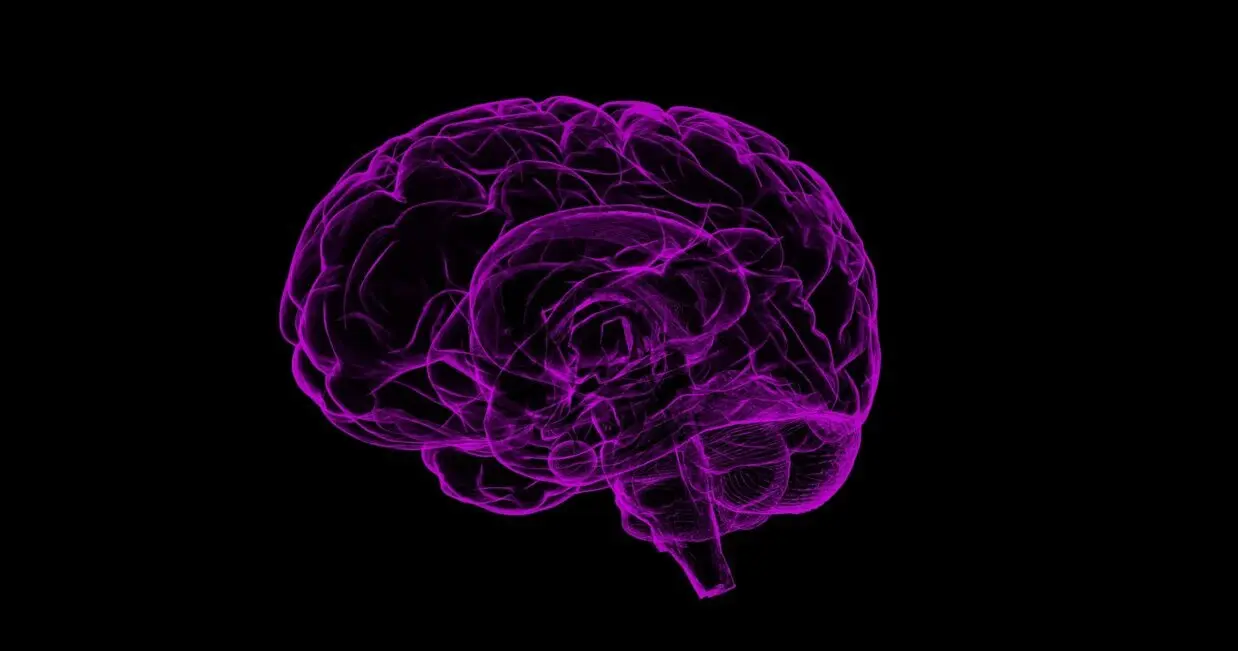 Hyperthymesia reveals deep secrets of human memory
 Petrelintide Delivers Significant Weight Loss in Diabetes Trial
 Experimental Vaccine Triggers Immune Response Against Pancreatic Cancer Mutations
 Tiny Peptide Targets Zombie Cells for Removal
Migraine attacks often cause extreme sensitivity to light, a condition known as photophobia. Many patients find themselves unable to function in normal lighting conditions. The American Migraine Foundation notes that weather shifts in autumn and spring frequently trigger these episodes. Approximately forty million Americans and one billion people worldwide live with this disorder. Current treatments often involve dark rooms or specialized glasses, but a new method is emerging. Researchers are testing whether specific wavelengths of white light can actively relieve pain rather than just blocking it.
The study investigates the interaction between light and neural pathways. Standard white light contains a mix of colors, but not all wavelengths affect the brain equally. The research team discovered that a particular spectrum reduces the firing rate of pain-sensitive neurons. This effect occurs when the light hits the retina and signals the visual cortex. By modulating this activity, the brain may stop amplifying the headache sensation. The process involves complex interactions between the eyes and the central nervous system. Understanding these mechanisms allows for the creation of targeted lighting devices. These tools could be integrated into home environments or wearable technology.
Can Lighting Replace Traditional Medication?
Patients reported significant relief after exposure to the modified light source. The reduction in pain intensity was measurable within minutes of application. This rapid response time is a major advantage over oral medications. Many drugs require thirty minutes or more to reach peak effectiveness. Additionally, the light therapy does not carry the risk of gastrointestinal side effects. It provides a gentle alternative for those who cannot tolerate strong analgesics. The study highlights the potential for personalized lighting prescriptions based on individual sensitivity levels.
Experts caution that light therapy should complement, not replace, existing treatments. Most migraine patients still require acute and preventive medications for full control. However, adding a lighting intervention could reduce the total dosage needed. This might lower the risk of medication overuse headaches. The research team is now conducting larger clinical trials to validate these initial findings. They are collaborating with neurologists to standardize the light parameters. The goal is to create a universal device that works for diverse patient populations. If successful, this innovation could transform daily management strategies.
Frequently Asked Questions
The implications for migraine care are profound. As the global population ages, the number of migraine sufferers is expected to rise. Accessible, non-invasive treatments will become increasingly important. Future developments may include smart glasses that automatically adjust their light output. These devices could detect the onset of a migraine and activate the therapeutic spectrum instantly. Such technology promises to give patients greater autonomy over their condition. The shift from passive avoidance to active relief marks a new era in neurology.
Does this light work for all types of migraines? The current research focuses on migraines with aura and severe photophobia. Patients without light sensitivity may experience less benefit. Further studies are needed to determine its efficacy across all migraine subtypes.
How long does the light exposure need to last? Initial data suggests that twenty to thirty minutes of exposure is sufficient. Longer periods did not show additional benefits in the pilot group. Researchers recommend starting with shorter sessions to assess individual tolerance.