Experimental Vaccine Shows Promise Against Pancreatic Cancer
Targeting a Key Cancer Driver
Researchers at Johns Hopkins Kimmel Cancer Center and its Skip Viragh Center for Pancreatic Cancer have developed an experimental vaccine. This vaccine targets a common genetic driver of pancreatic cancer, mutant KRAS. Early findings indicate the vaccine is safe and produces lasting immune responses.
Health news
 APOE Genotype Influences How Well Blood Tau Protein Predicts Cognitive Decline
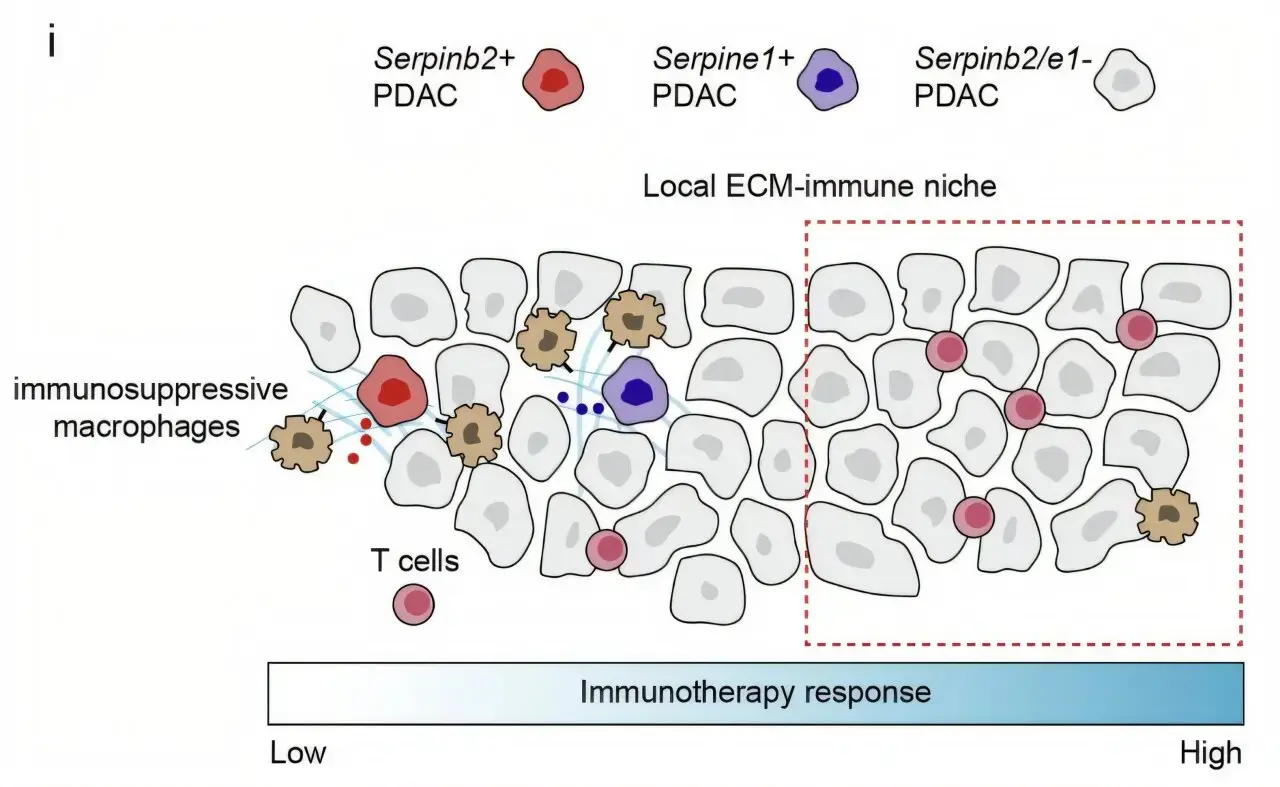 Pancreatic Cancer Hijacks Blood-Clotting System to Evade Immune Attack
 Survey Reveals Most Men Unaware Dairy May Increase Prostate Cancer Risk
 Therapeutic Gardening Shows Promise for Mental Health in Adults with Chronic Illnesses
The vaccine aims to prevent pancreatic cancer in individuals at high risk. This breakthrough could revolutionize how we approach early intervention for this aggressive disease. The study focused on the vaccine's safety and its ability to provoke a strong immune reaction.
The KRAS gene mutation is frequently found in pancreatic cancer. It plays a critical role in tumor development and progression. By specifically targeting this mutation, the vaccine attempts to train the body's immune system to recognize and destroy cancerous cells before they fully develop. This precision targeting is a significant step forward in cancer immunotherapy.
How Does This Vaccine Work?
The experimental vaccine introduces components of the mutant KRAS protein to the immune system. This exposure teaches the body's defenses to identify and attack cells carrying this specific mutation. The goal is to create a long-term immune memory, providing ongoing protection against the emergence of pancreatic cancer. This approach leverages the body's natural defenses to fight disease.
The initial results are encouraging, demonstrating the vaccine's ability to create a durable immune response. This means the immune system's readiness to fight the mutant cells persists over time. Further research will explore the vaccine's effectiveness in preventing cancer in a larger population. This could offer a new hope for those predisposed to pancreatic cancer.
Frequently Asked Questions
What is the significance of targeting the KRAS mutation? Targeting the KRAS mutation is important because it is a very common genetic alteration in pancreatic cancer. Addressing this specific mutation could lead to more effective and personalized prevention strategies.
Is this vaccine currently available to the public? No, this vaccine is experimental and not yet available to the public. It is still in early stages of research and development, with further clinical trials needed to confirm its efficacy and safety.
What are the next steps for this experimental vaccine? The next steps involve conducting larger clinical trials to further evaluate the vaccine's effectiveness in preventing pancreatic cancer. Researchers will also monitor for any long-term side effects and optimize dosing.
Content written by Dr. Nathan Cole for wellness-bio-radar.com editorial team, AI-assisted.