AI Predicts Meningioma Recurrence
Improving Prognosis with AI Insights
Researchers at Mayo Clinic have made a breakthrough in predicting the recurrence of meningiomas, the most common primary brain tumor in adults. Using artificial intelligence, they analyzed routine pathology slides to classify tumors and assess patient risk. The study was published on June 7, 2026, in The Lancet Digital Health.
Health news
 Voice Recording Predicts Age, Reveals New Biological Clock
 Popular Zero-Calorie Sweeteners May Pass Effects to Future Generations
 Movement Patterns Linked to Longevity
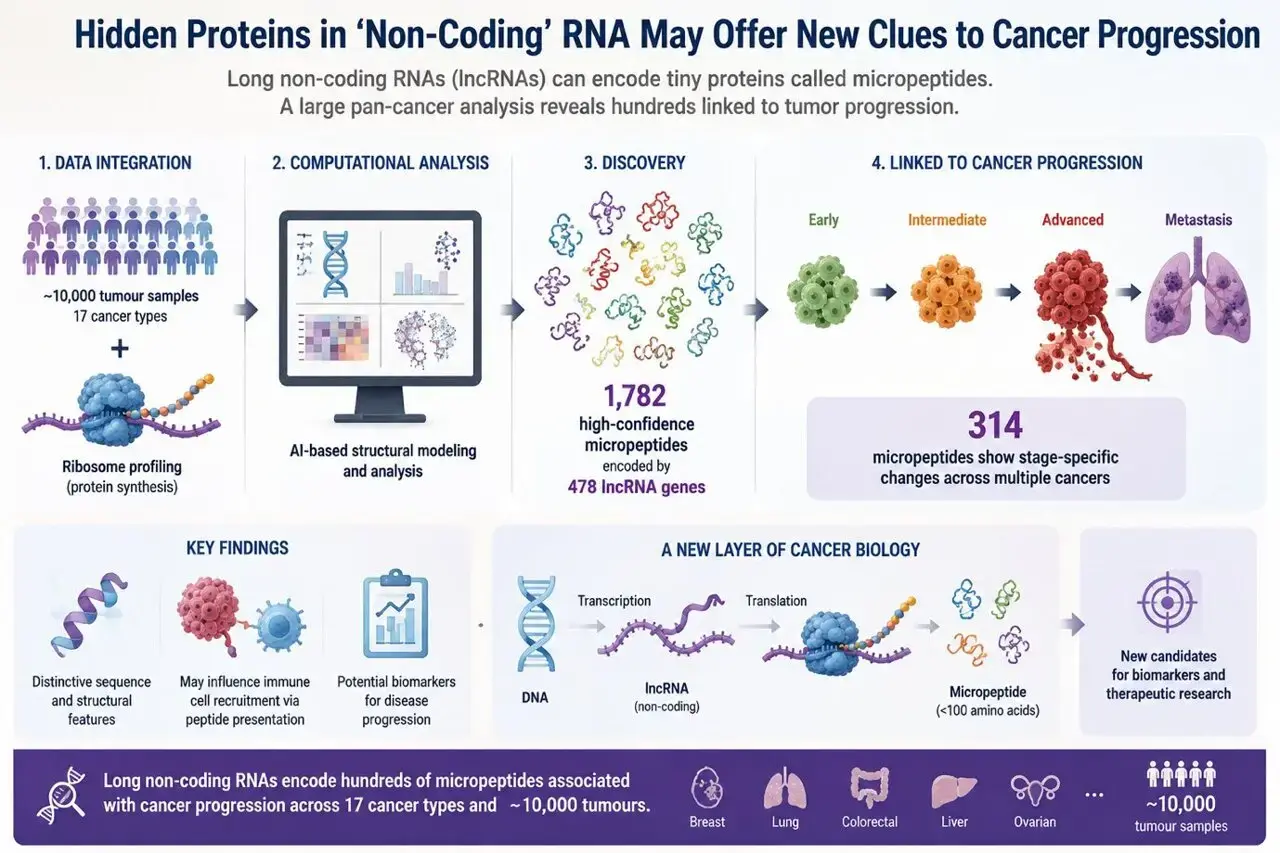 Hidden Proteins In Non-Coding RNA May Explain Cancer Spread
Meningiomas are typically benign, but some recur, requiring additional treatment. Accurate classification is crucial for determining the risk of recurrence. The Mayo Clinic team, along with collaborators, applied deep learning techniques to analyze pathology slides.
The AI model was trained on a large dataset of pathology slides from meningioma patients. It learned to identify features associated with tumor recurrence. The model's predictions were highly accurate, outperforming traditional methods. „This is a significant step forward in personalizing treatment for meningioma patients,”said a researcher.
Can AI Replace Human Pathologists?
The study's findings have important implications for clinical practice. By integrating AI into pathology workflows, clinicians can better identify patients at high risk of recurrence. This enables targeted interventions and more effective follow-up care.
While AI has shown impressive capabilities, it is not intended to replace human pathologists. Instead, it serves as a decision-support tool, enhancing diagnostic accuracy and informing treatment decisions.
The integration of AI in meningioma diagnosis is expected to improve patient outcomes. As the technology continues to evolve, it may be applied to other types of tumors, expanding its potential impact.
Frequently Asked Questions
Q: How accurate is the AI model in predicting meningioma recurrence? A: The AI model demonstrated high accuracy in predicting tumor recurrence, outperforming traditional methods. Its performance was validated on a large dataset of pathology slides.
Q: Will AI replace human pathologists in diagnosing meningiomas? A: No, AI is intended to support, not replace, human pathologists. It serves as a decision-support tool to enhance diagnostic accuracy.
Q: Can this technology be applied to other types of tumors? A: The researchers believe that the AI approach has the potential to be applied to other tumor types, pending further research and validation.
Content written by Claire Ashworth for wellness-bio-radar.com editorial team, AI-assisted.