
Air Pollution in Pregnancy Linked to ADHD Symptoms
Air Pollution's Hidden Toll on Young Minds
Children in Tarragona, Spain, were studied to understand the impact of prenatal air pollution exposure on attention deficit hyperactivity disorder (ADHD) symptoms. Researchers examined the link between air pollution during pregnancy and ADHD symptoms in school-age children.
Health news
 Sleep May Be the Heart's Nightly Repair Window, Study Suggests
 APOE Genotype Influences How Well Blood Tau Protein Predicts Cognitive Decline
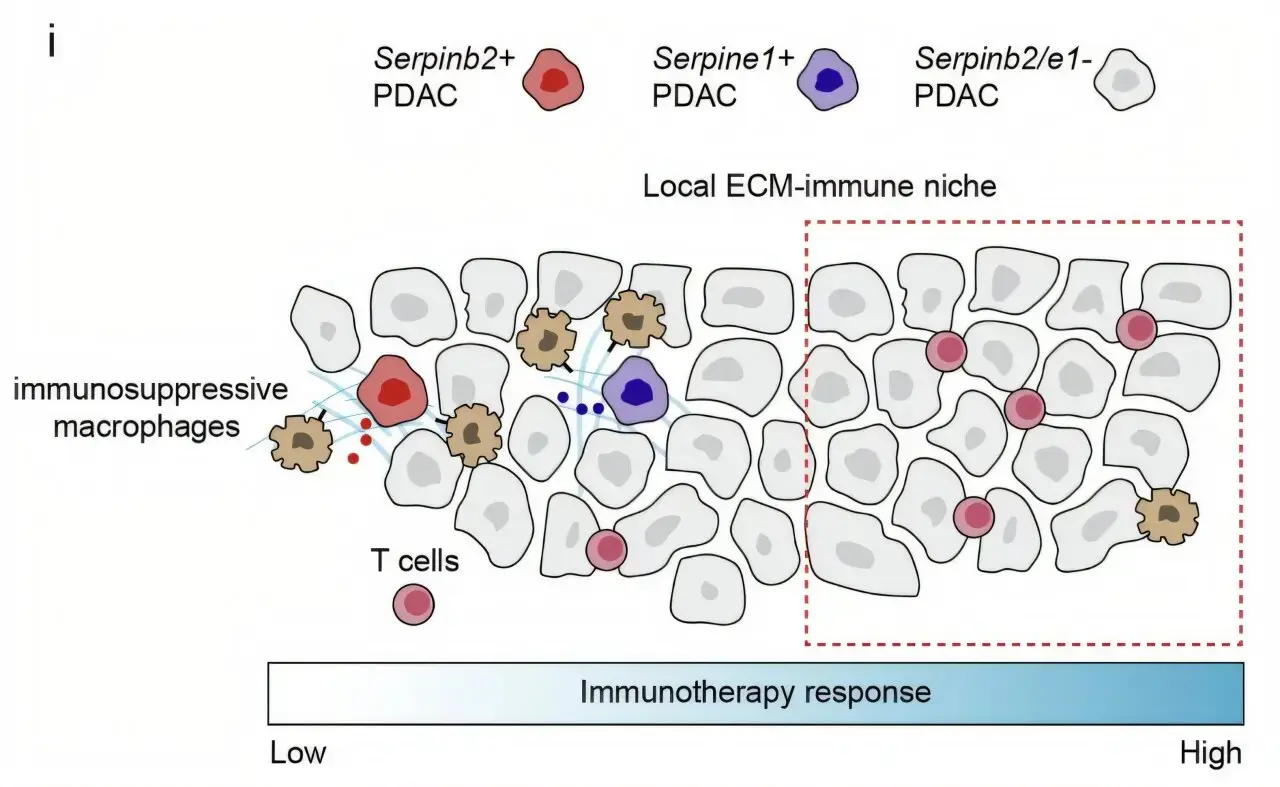 Pancreatic Cancer Hijacks Blood-Clotting System to Evade Immune Attack
 Survey Reveals Most Men Unaware Dairy May Increase Prostate Cancer Risk
The study focused on the effects of exposure to particulate matter (PM10 and PMcoarse particles) and nitrogen dioxide (NO2 and NOx gases) during pregnancy. Higher exposure to these pollutants was associated with increased ADHD symptom scores as reported by teachers.
Prenatal exposure to air pollutants was linked to modestly higher ADHD symptom scores in children. The study's findings suggest that air pollution may affect fetal brain development, potentially leading to behavioral issues later in life. Researchers analyzed data from children in Tarragona to draw these conclusions.
Can Air Quality Affect Brain Development?
The study's results showed a correlation between prenatal air pollution exposure and teacher-reported ADHD symptoms, but not with clinical ADHD diagnoses. This distinction is crucial, as it highlights the complexity of diagnosing ADHD.
While the study found a link between prenatal air pollution and ADHD symptoms, the exact mechanisms behind this association remain unclear. Further research is needed to understand how air pollutants affect fetal brain development.
The study's findings have significant implications for public health policy, particularly in areas with high levels of air pollution. Reducing exposure to air pollutants during pregnancy could potentially mitigate the risk of ADHD symptoms in children.
Frequently Asked Questions
Q: What type of air pollutants were linked to ADHD symptoms? A: Particulate matter (PM10 and PMcoarse particles) and nitrogen dioxide (NO2 and NOx gases) were associated with increased ADHD symptom scores. These pollutants are commonly found in urban areas.
Q: Did the study find a link between air pollution and clinical ADHD diagnosis? A: No, the study found a correlation between prenatal air pollution exposure and teacher-reported ADHD symptoms, but not with clinical ADHD diagnoses.
Q: What are the implications of this study's findings? A: The study suggests that reducing air pollution during pregnancy could potentially lower the risk of ADHD symptoms in children, highlighting the need for stricter air quality regulations.
Content written by Dr. Elena Voss for wellness-bio-radar.com editorial team, AI-assisted.