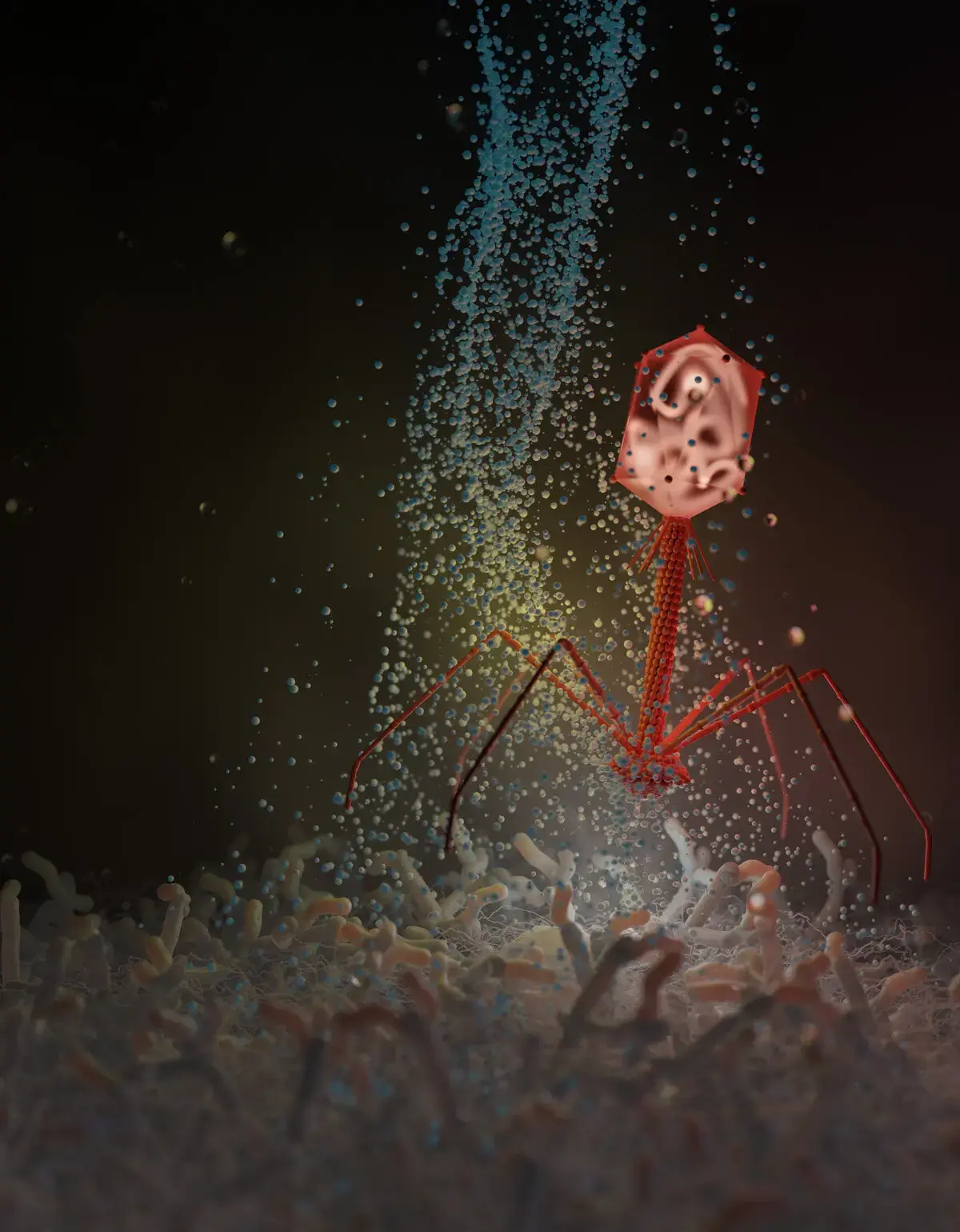
Antiviral Soil Compound Disrupts Phage Infection Cycle
Uncovering the Antiviral Mechanism
Researchers at Heinrich Heine University Düsseldorf discovered a compound in soil that inhibits viral reproduction. The team found that certain bacteria produce molecules with antiviral properties. This breakthrough was achieved through a collaborative research effort.
Health news
 Sleep May Be the Heart's Nightly Repair Window, Study Suggests
 APOE Genotype Influences How Well Blood Tau Protein Predicts Cognitive Decline
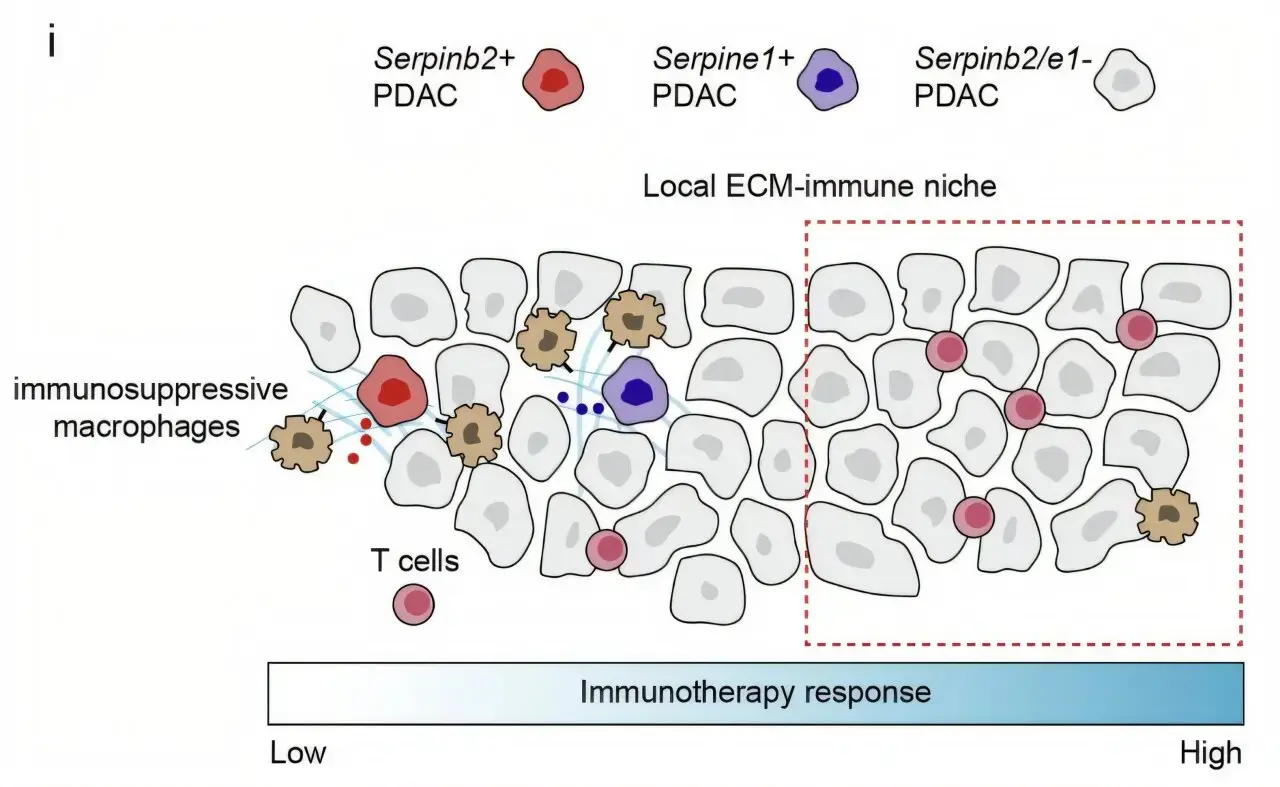 Pancreatic Cancer Hijacks Blood-Clotting System to Evade Immune Attack
 Survey Reveals Most Men Unaware Dairy May Increase Prostate Cancer Risk
The study focused on a specific compound produced by certain bacteria, which was found to disrupt the infection cycle of phages, a type of virus that infects bacteria. By intervening early in the infection process, the compound prevents the virus from reproducing.
Can Antiviral Compounds Be Harnessed?
The researchers investigated how the compound interacts with the phage and the host bacterium. They found that the compound targets a specific stage in the infection cycle, effectively halting the virus's ability to replicate. This understanding sheds light on the complex relationships between bacteria, viruses, and the molecules they produce.
The discovery has significant implications for our understanding of the complex interactions within microbial ecosystems. „This finding opens up new avenues for research into antiviral strategies,”the researchers noted. The study's results were verified through rigorous testing and peer review.
The discovery of antiviral compounds in soil raises questions about their potential applications. Could these compounds be used to develop new treatments for viral infections? Further research is needed to explore this possibility.
Frequently Asked Questions
The study's findings have far-reaching consequences for our understanding of microbial ecosystems and the development of novel antiviral therapies. As research continues, the potential for innovative treatments may emerge.
What is the significance of this discovery? The finding highlights the complex interactions within microbial ecosystems and opens up new research avenues. How does the compound work? It disrupts the phage infection cycle, preventing viral reproduction. What are the potential applications? The discovery may lead to the development of novel antiviral therapies.
Content written by Claire Ashworth for wellness-bio-radar.com editorial team, AI-assisted.