
Bangui Biomedical Research: A Hidden History
The Search for Viral Treasures
A clandestine research project unfolded in the Central African Republic during the early 1990s. It involved collecting biological samples from local residents. This operation, centered around the Bangui Pasteur Institute, raises serious ethical questions. The project’s true aims remained largely unknown for decades.
Health news
 Voice Recording Predicts Age, Reveals New Biological Clock
 Popular Zero-Calorie Sweeteners May Pass Effects to Future Generations
 Movement Patterns Linked to Longevity
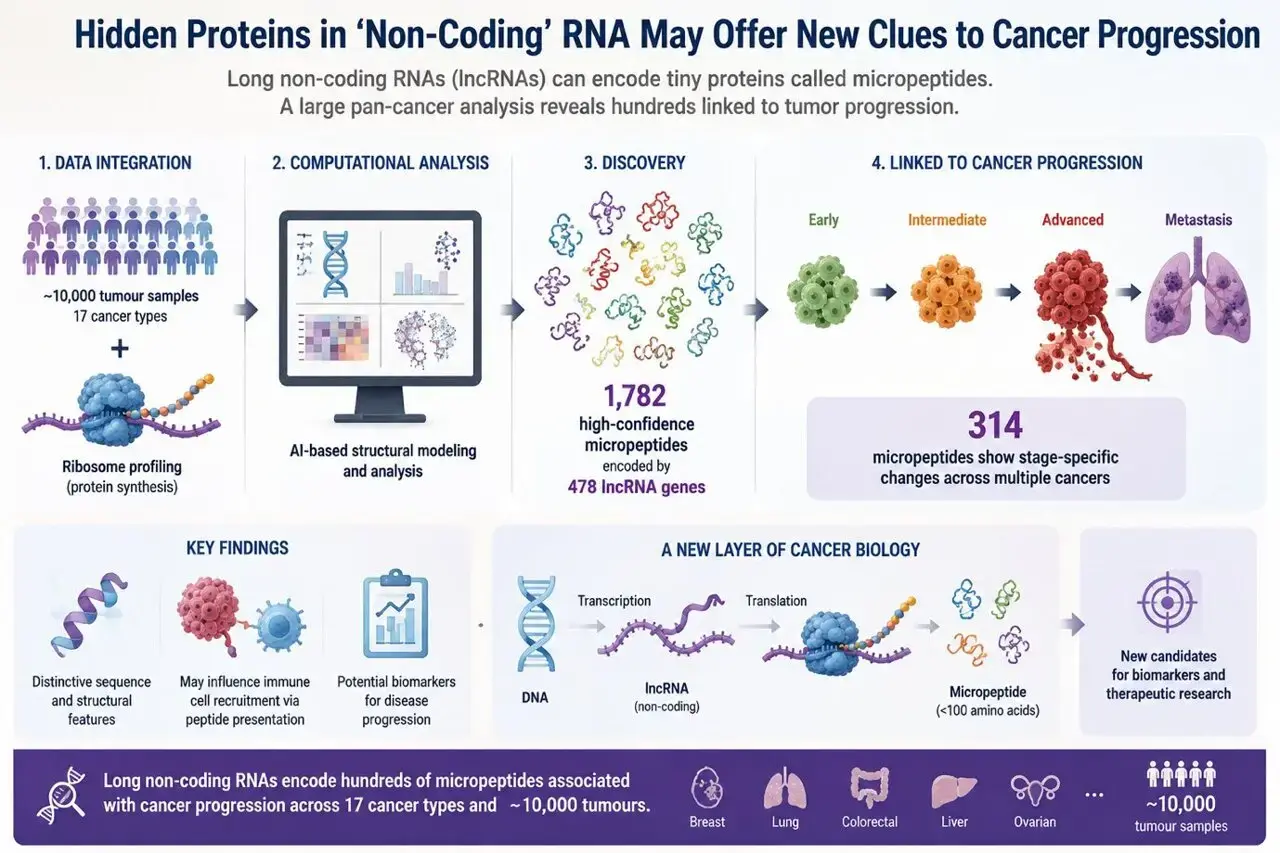 Hidden Proteins In Non-Coding RNA May Explain Cancer Spread
The Bangui Institute, established in 1961 shortly after the nation’s independence, initially focused on public health. It aimed to address tropical diseases prevalent in the region. However, the early 1990s saw a shift in its activities. Researchers began collecting blood and other biological materials on a large scale. This occurred with limited transparency or informed consent from those providing the samples. The operation exploited a vulnerable population facing significant political and economic instability.
The core of the Bangui operation involved searching for novel viruses. Researchers believed these viruses held potential for biomedical applications. They hoped to discover new treatments or develop diagnostic tools. The focus extended to studying viruses present in human populations, as well as those found in animals. This included collecting samples from individuals with various illnesses, and even from healthy people. The scale of collection was significant, with thousands of samples reportedly gathered.
Who Benefited From This Research?
Researchers weren't solely interested in known diseases. They actively sought previously unidentified viruses. This „viral prospecting” aimed to identify unique genetic material. The hope was to patent these discoveries and profit from them. This practice, known as bioprospecting, raises concerns about equitable benefit-sharing. Local communities rarely saw any financial gain from research conducted on their biological resources. The operation lacked clear ethical guidelines and oversight.
The collected samples were often shipped to research institutions in Europe and the United States. These institutions conducted further analysis and research. While the Bangui Institute received some funding, the majority of the potential benefits flowed to foreign entities. There’s little evidence to suggest that the Central African Republic itself significantly benefited from the scientific advancements derived from these samples.
The lack of transparency surrounding the project fueled suspicions of exploitation. Critics argue the operation prioritized the interests of wealthy nations over the well-being of the local population. The situation highlights a broader issue of biomedical research in developing countries. It raises questions about power imbalances and the ethical responsibilities of researchers.
The Bangui operation’s legacy is one of mistrust and unanswered questions. It underscores the need for robust ethical frameworks governing biomedical research. These frameworks must prioritize informed consent, equitable benefit-sharing, and respect for local communities. Without such safeguards, vulnerable populations risk being exploited for scientific gain. Future research must prioritize collaboration and transparency.
Frequently Asked Questions
What was the primary ethical concern with the Bangui operation? The main issue was the lack of informed consent from individuals whose biological samples were collected. Many residents were unaware of how their samples would be used or who would benefit from the research.
Did the Central African Republic benefit from the research? Evidence suggests the nation received limited direct benefits. Most of the potential profits and scientific advancements accrued to foreign institutions and researchers.
What steps can be taken to prevent similar situations in the future? Strengthening ethical review boards, ensuring informed consent procedures, and establishing fair benefit-sharing agreements are crucial. Transparency and community involvement are also essential.
Content written by Marcus Reid for wellness-bio-radar.com editorial team, AI-assisted.