Blood Pressure Key to Stroke Treatment
Optimizing Cerebral Perfusion
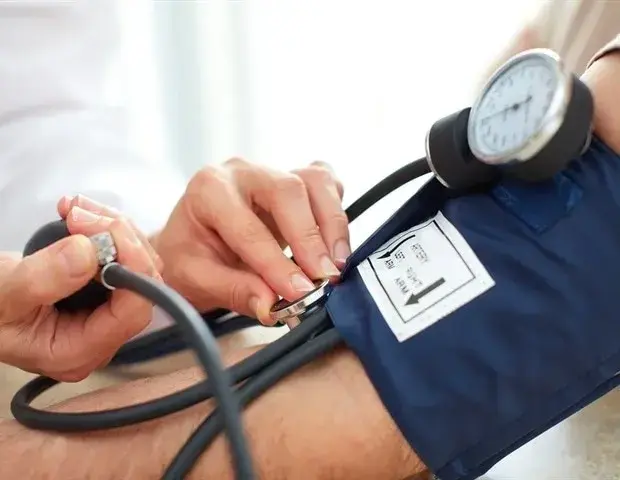
Researchers in Spain study blood pressure after stroke. The study took place at the Sant Pau Research Institute. It happened on June 11, 2026.
Health news
 Sleep May Be the Heart's Nightly Repair Window, Study Suggests
 APOE Genotype Influences How Well Blood Tau Protein Predicts Cognitive Decline
 Pancreatic Cancer Hijacks Blood-Clotting System to Evade Immune Attack
 Survey Reveals Most Men Unaware Dairy May Increase Prostate Cancer Risk
The HOPE clinical trial shows blood pressure management is crucial after thrombectomy for acute ischemic stroke. This procedure removes blood clots from blocked arteries. It requires careful blood pressure control to optimize results.
Can Blood Pressure Be Managed Effectively?
The trial, led by the Sant Pau Research Institute, focuses on hemodynamic optimization. This means adjusting blood flow to ensure proper cerebral perfusion. The goal is to prevent further brain damage after a stroke. Researchers analyze data to determine the best approach.
Frequently Asked Questions
Managing blood pressure after thrombectomy is complex. It involves balancing the need to maintain blood flow with the risk of bleeding. The HOPE trial aims to find the optimal blood pressure range. This range will help minimize complications and improve patient outcomes.
What is the goal of the HOPE clinical trial? The HOPE trial aims to optimize blood pressure management after thrombectomy. This will help improve treatment outcomes for acute ischemic stroke patients. The trial focuses on hemodynamic optimization to prevent further brain damage. What are the risks of uncontrolled blood pressure after thrombectomy? Uncontrolled blood pressure can lead to bleeding or further brain damage. It is crucial to find the optimal blood pressure range to minimize complications. How will the HOPE trial results impact stroke treatment? The results will help develop new guidelines for blood pressure management. This will improve treatment outcomes and reduce the risk of complications for stroke patients.
Content written by Dr. Nathan Cole for wellness-bio-radar.com editorial team, AI-assisted.