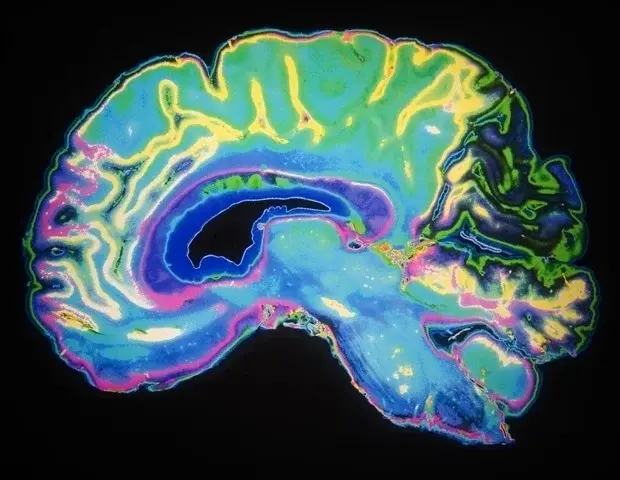
Blood Test Helps Detect Hidden Brain Injuries in Trauma Patients
Why Standard Imaging Often Fails to Catch Subtle Damage
Researchers from the University of Pittsburgh and multiple partner institutions have published findings in the Journal of Neurosurgery regarding a new diagnostic approach. The study focuses on using blood-based biomarkers to identify traumatic brain injuries that standard methods often miss. This development aims to support clinicians in making faster and more accurate decisions for trauma patients who require immediate attention.
Health news
 Oxaloacetate supplement boosts cognitive scores in breast cancer survivors
 Hyperthymesia reveals deep secrets of human memory
 Petrelintide Delivers Significant Weight Loss in Diabetes Trial
 Targeted White Light May Ease Migraine Pain
The primary goal of this initiative is to expand the clinical application of these specific blood tests. By analyzing particular proteins released during head trauma, medical teams can detect subtle brain damage that does not show up clearly on initial scans. This capability allows for earlier escalation of care, ensuring that patients receive specialized treatment before their conditions worsen significantly. The method targets cases where traditional imaging might yield negative results despite ongoing neurological issues.
Current diagnostic protocols rely heavily on computed tomography scans to assess head injuries. While effective for severe trauma, these scans frequently fail to reveal mild or evolving brain injuries. Patients may appear stable initially but deteriorate later due to undetected internal bleeding or swelling. The new biomarker analysis offers a complementary tool that detects molecular changes associated with tissue damage. This biological signal provides an additional layer of evidence for treating physicians evaluating complex trauma cases in emergency settings.
How Biomarkers Change the Treatment Pathway
The research team conducted a multi-institutional study to validate the reliability of these markers across different hospital environments. They examined how specific protein levels correlate with the severity of brain injury. The data suggests that elevated biomarker concentrations serve as a strong indicator for patients needing closer monitoring. This approach helps differentiate between those who can be safely discharged and those requiring intensive care unit admission. It reduces the risk of sending home patients who are still at high risk for complications.
Integrating blood tests into routine trauma assessment could streamline the decision-making process for emergency doctors. Instead of relying solely on visual interpretation of scans, clinicians can now reference quantitative biological data. This dual approach enhances confidence in diagnosing hidden injuries. For patients with normal scan results but positive biomarker readings, doctors can initiate preventive measures. These steps include frequent neurological checks and delayed imaging to monitor progression over time.
The study highlights the potential to reduce missed diagnoses in busy emergency departments. Time is critical when managing brain trauma, and every minute counts. By identifying at-risk patients sooner, hospitals can allocate resources more effectively. This strategy supports a proactive rather than reactive model of care. It aligns with broader efforts to improve outcomes in acute trauma management through advanced laboratory techniques.
Frequently Asked Questions
Who leads this multi-institutional research effort? The project is led by scientists from the University of Pittsburgh School of Medicine. They collaborated with researchers from several other institutions to gather comprehensive data on the effectiveness of these blood-based diagnostic tools.
What specific condition do these biomarkers target? The tests focus on detecting traumatic brain injury, particularly instances where standard imaging fails to reveal the extent of damage. They help identify patients who need escalated medical care despite initially appearing stable.
Where were the findings of this study published? The results appeared in the Journal of Neurosurgery. This peer-reviewed publication confirms the scientific validity of the proposed diagnostic expansion for clinical use in trauma centers.