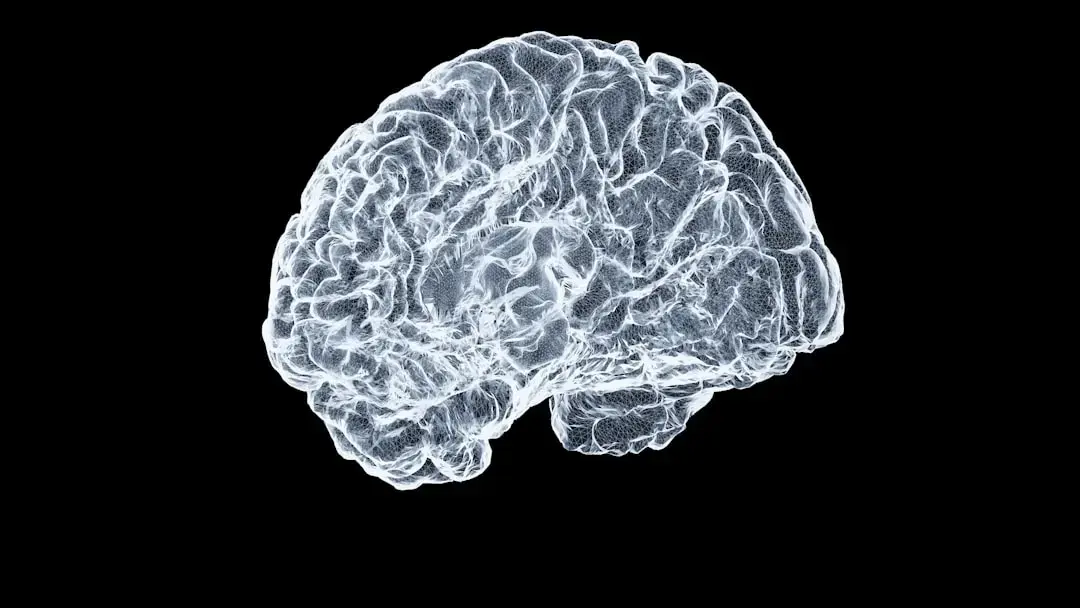
Brain Tissue Patterns and Genetics Linked to Multiple Sclerosis Progression
Distinct Brain Tissue Signatures Forecast Clinical Outcomes
A new study examined brain tissue from 287 multiple sclerosis donors at the Netherlands Brain Bank. Researchers mapped cellular and genetic features to understand why some patients stay stable for decades while others deteriorate quickly. The analysis, published this year, offers fresh clues about disease trajectories.
Health news
 Sleep May Be the Heart's Nightly Repair Window, Study Suggests
 APOE Genotype Influences How Well Blood Tau Protein Predicts Cognitive Decline
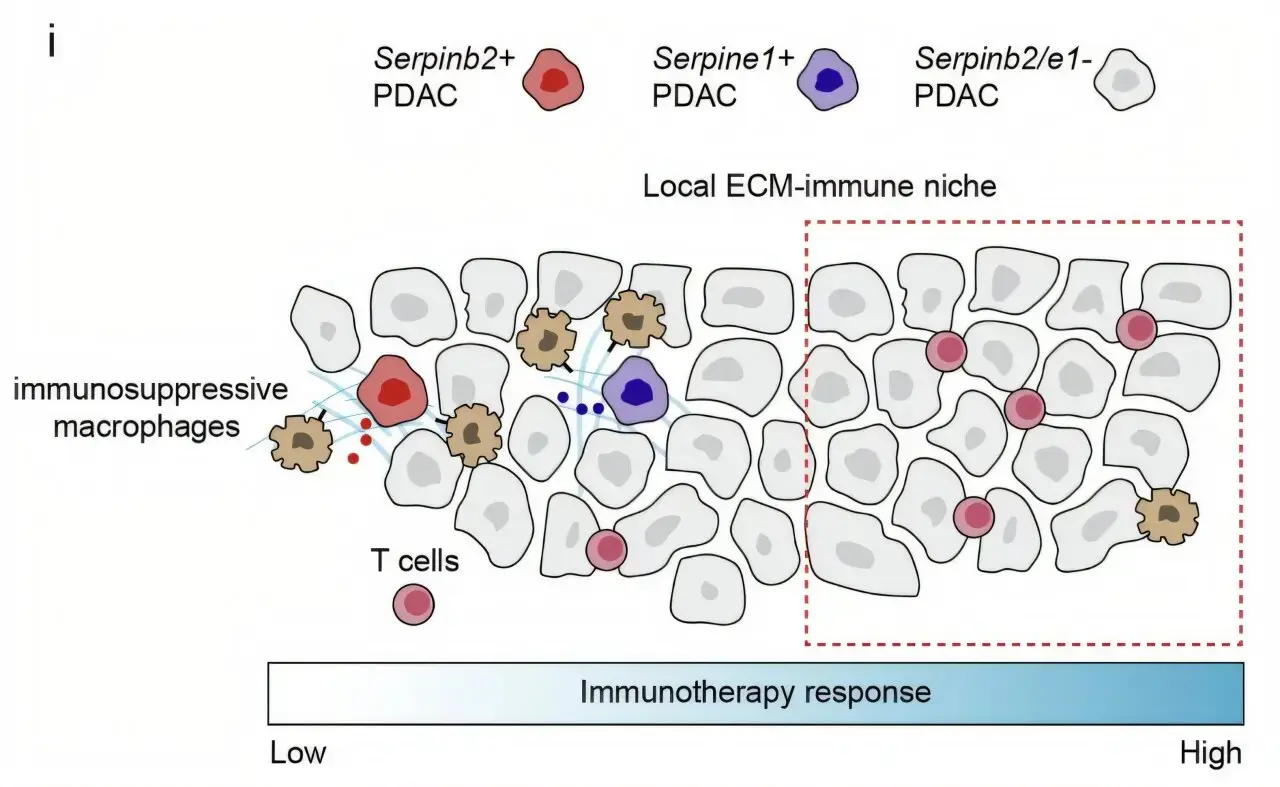 Pancreatic Cancer Hijacks Blood-Clotting System to Evade Immune Attack
 Survey Reveals Most Men Unaware Dairy May Increase Prostate Cancer Risk
The team combined high‑resolution imaging with genome‑wide profiling to chart the micro‑environment of MS lesions. They found distinct patterns of immune cell infiltration and myelin loss that correlated with patients’ clinical histories. Genetic variants associated with immune regulation also aligned with the observed tissue changes, suggesting a joint influence on disease speed.
Genetic analysis revealed that carriers of certain HLA‑DRB1 alleles were more likely to develop the aggressive inflammatory lesion pattern. Moreover, expression of genes involved in cytokine signaling was elevated in brains with rapid decline. The researchers argue that these molecular fingerprints could serve as biomarkers for early risk stratification.
Can Genetics Explain Why Some MS Patients Decline Faster?
These insights open the door to personalized therapeutic approaches. If clinicians can detect the aggressive tissue pattern early, they may intensify disease‑modifying treatments for high‑risk patients while sparing others from overtreatment.
The research underscores the need for integrated pathology and genomics in MS care. Future work will test whether blood‑based markers can reflect the brain’s lesion profile, offering a less invasive way to predict disease trajectory.
Frequently Asked Questions
What types of brain lesions were examined? Researchers classified lesions into inflammatory, chronic inactive, and mixed categories based on cellular composition and scar tissue.
How do genetic variants influence lesion behavior? Specific HLA‑DRB1 alleles and cytokine‑related genes were linked to more aggressive inflammatory lesions, driving faster disability.
Can these findings change current MS treatment? Potentially, yes. Identifying high‑risk tissue patterns could guide earlier, more aggressive therapy, while low‑risk patients might avoid unnecessary drug exposure.
Content written by Dr. Nathan Cole for wellness-bio-radar.com editorial team, AI-assisted.