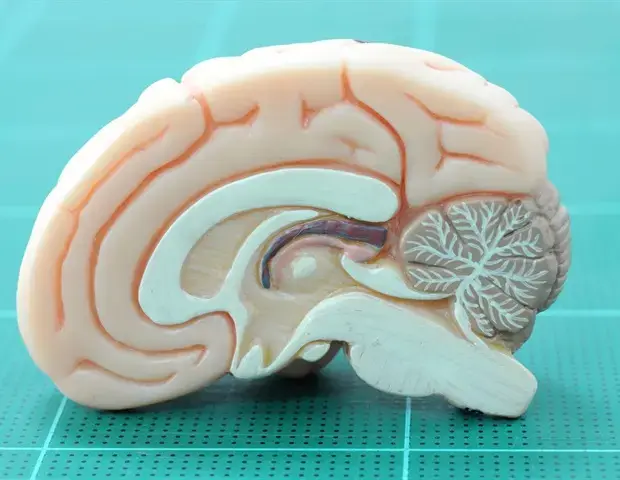
Brain's Sensory Prediction Hub Identified
Can We Improve Sensory Predictions?
Researchers at Washington University in St. Louis have made a groundbreaking discovery about how our brains distinguish between self-generated and external stimuli. The study, published on June 12, sheds new light on the neural mechanisms behind sensory predictions. Our brains use a process called corollary discharge to anticipate the sensory consequences of our actions.
Health news
 Sleep May Be the Heart's Nightly Repair Window, Study Suggests
 APOE Genotype Influences How Well Blood Tau Protein Predicts Cognitive Decline
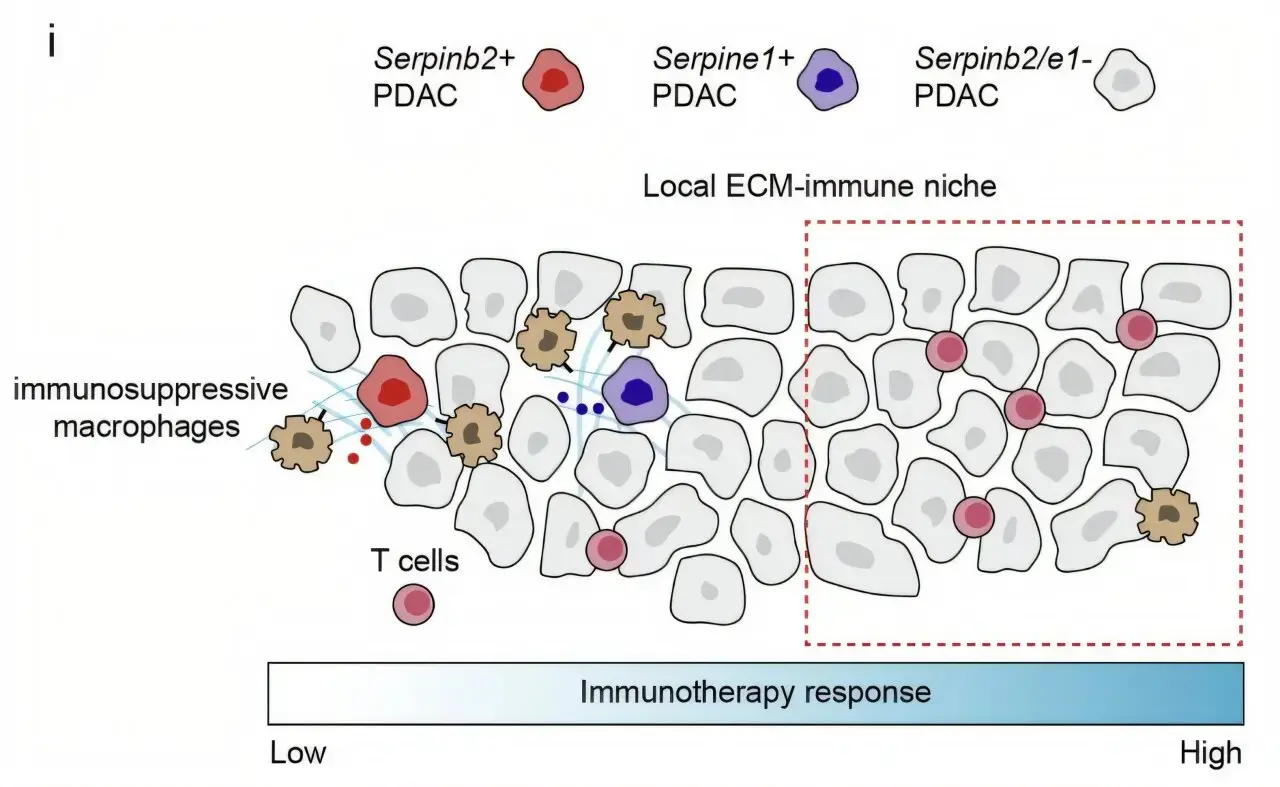 Pancreatic Cancer Hijacks Blood-Clotting System to Evade Immune Attack
 Survey Reveals Most Men Unaware Dairy May Increase Prostate Cancer Risk
The nervous system generates a copy of motor commands, known as corollary discharge, which informs sensory areas what to expect from our movements. This helps our brains determine whether a noise or sensation is caused by our own actions or something else. Unraveling the Mystery of Corollary Discharge The research team identified a specific neural hub responsible for accurate sensory predictions. This hub is crucial in helping our brains make the distinction between self-generated and external stimuli. By understanding how corollary discharge works, scientists can gain insights into the neural mechanisms underlying various neurological and psychiatric disorders.
The nervous system generates a copy of motor commands, known as corollary
The discovery of the neural hub for corollary discharge has significant implications for our understanding of brain function and behavior. Further research into this area could lead to new treatments for conditions such as schizophrenia and other disorders where sensory processing is impaired. Frequently Asked Questions What is corollary discharge? Corollary discharge is a copy of a motor command that informs sensory areas what to expect from our movements. It helps our brains distinguish between self-generated and external stimuli. How does the neural hub work? The neural hub processes corollary discharge signals and helps our brains make accurate sensory predictions. What are the potential applications of this research? This research could lead to new treatments for neurological and psychiatric disorders where sensory processing is impaired.
Content written by Dr. Elena Voss for wellness-bio-radar.com editorial team, AI-assisted.