
Mapping the Brain’s Creativity Hub
The Rostral Prefrontal Cortex’s Role
Scientists have pinpointed a specific area in the brain crucial for creative thought. Research focused on the rostral prefrontal cortex, identifying a functional gradient. This discovery sheds light on how spontaneous and focused thinking combine. The study offers new insights into the neurological basis of creativity.
Health news
 Sleep May Be the Heart's Nightly Repair Window, Study Suggests
 APOE Genotype Influences How Well Blood Tau Protein Predicts Cognitive Decline
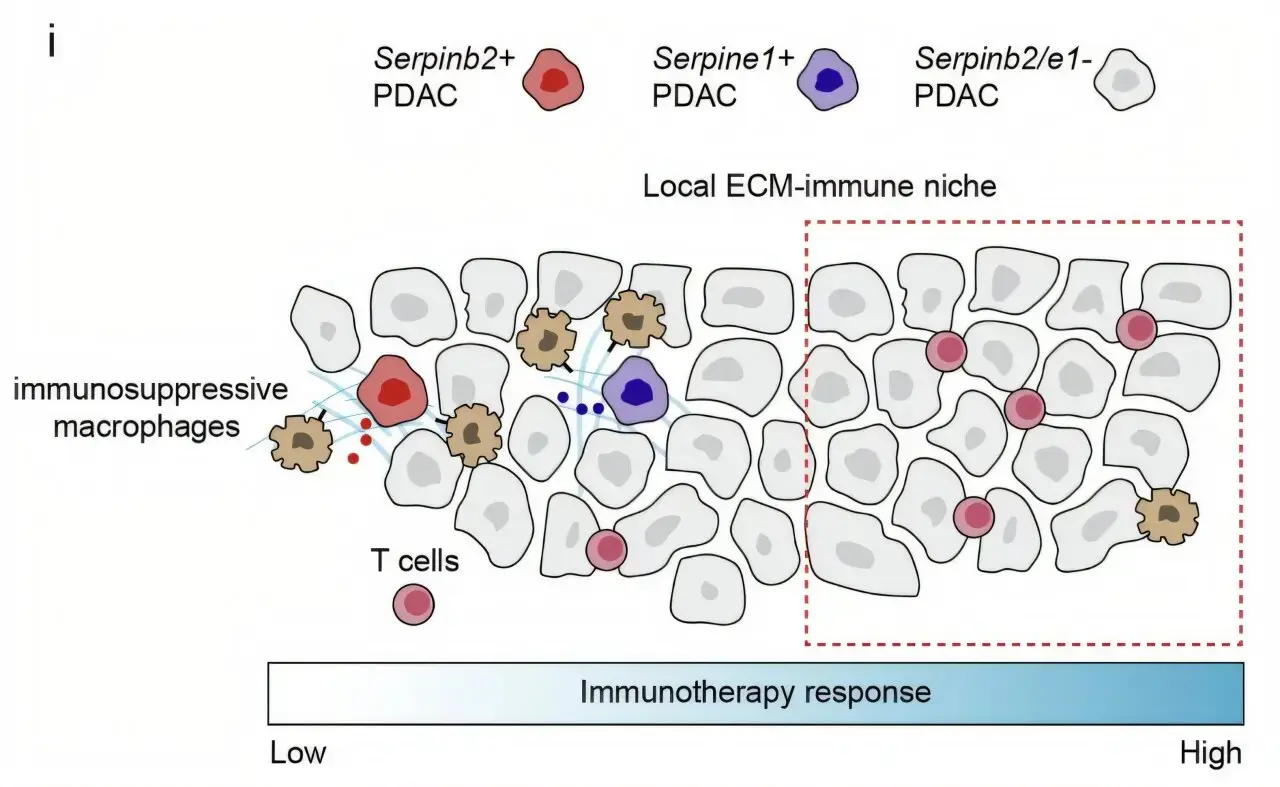 Pancreatic Cancer Hijacks Blood-Clotting System to Evade Immune Attack
 Survey Reveals Most Men Unaware Dairy May Increase Prostate Cancer Risk
For years, neuroscientists believed creativity stemmed from interplay between two brain networks. The Default Mode Network (DMN) facilitates free-flowing associations. The Executive Control Network (ECN) concentrates on achieving specific goals. However, the mechanism linking these networks remained unclear. This new research identifies a „bridge” within the brain.
The rostral prefrontal cortex (RPC) appears to be the key connection. Researchers mapped functional activity within this region. They discovered a gradient, transitioning from DMN-like processing to ECN-like processing. This gradient suggests the RPC doesn’t simply switch between networks. Instead, it integrates them, allowing for flexible thought.
Can We Enhance Creative Thinking?
This integration is vital for creative problem-solving. The DMN generates novel ideas and unexpected connections. The ECN then evaluates and refines these ideas. The RPC’s gradient allows for seamless communication between these processes. It enables the brain to explore possibilities and then focus on the most promising ones.
Understanding this brain region raises a crucial question. Can we actively boost creative potential? Researchers suggest that activities promoting RPC flexibility may be beneficial. These include mindfulness practices and open-ended brainstorming. These exercises could strengthen the gradient, improving the brain's ability to integrate different thought processes.
The study utilized advanced neuroimaging techniques. These allowed scientists to observe brain activity during creative tasks. They observed increased activity within the RPC when participants engaged in divergent thinking. Divergent thinking involves generating multiple solutions to a single problem. This supports the RPC’s role as a central hub for creativity.
This research offers a more nuanced understanding of creativity. It moves beyond the simple „either/or” model of DMN versus ECN. The RPC acts as a dynamic integrator. It allows the brain to harness both spontaneous and focused thought. Further research will explore how this region develops and changes over time. It may also reveal how individual differences in RPC structure relate to creative ability.
Frequently Asked Questions
What is the Default Mode Network? The DMN is a brain network active when we are not focused on a specific task. It’s associated with daydreaming, mind-wandering, and generating spontaneous thoughts. This network is crucial for creativity and self-reflection.
How does the Executive Control Network function? The ECN is responsible for goal-directed behavior and focused attention. It helps us plan, organize, and execute tasks. It suppresses distractions and maintains concentration.
Is creativity solely determined by brain structure? While brain structure plays a significant role, creativity is likely a complex trait. It’s influenced by genetics, environment, and learned skills. Brain training and practice can also enhance creative abilities.
Content written by Marcus Reid for wellness-bio-radar.com editorial team, AI-assisted.