Uncovering the Brain's Memory Mechanism
The Molecular Sieve Unveiled
Scientists have long been baffled by how the brain's learning receptors differentiate between calcium and magnesium ions to form memories. Researchers have now cracked this decades-old neuroscience enigma using advanced cryo-electron microscopy.
Health news
 Sleep May Be the Heart's Nightly Repair Window, Study Suggests
 APOE Genotype Influences How Well Blood Tau Protein Predicts Cognitive Decline
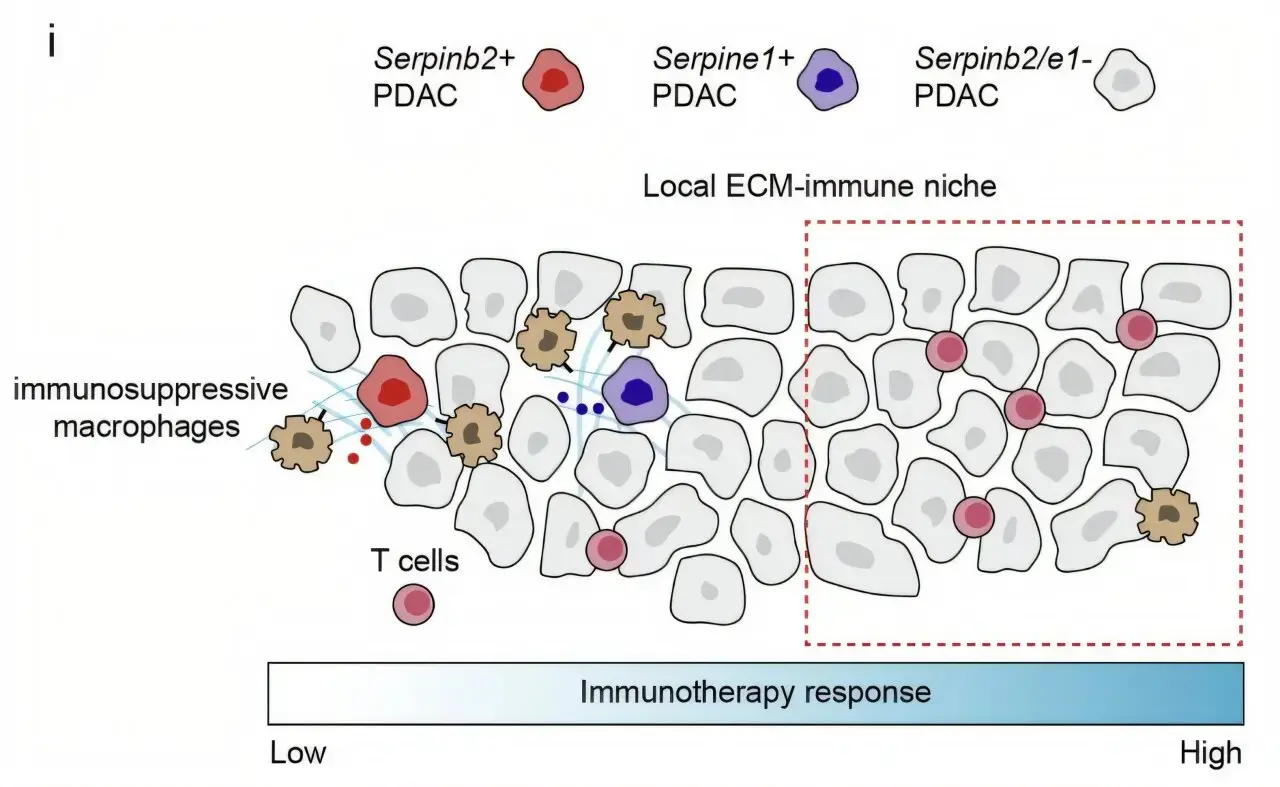 Pancreatic Cancer Hijacks Blood-Clotting System to Evade Immune Attack
 Survey Reveals Most Men Unaware Dairy May Increase Prostate Cancer Risk
The breakthrough came when a team utilized single-particle cryo-electron microscopy and powerful computational tools to capture over 50,000 high-resolution microscopic movies of the NMDA receptor. This receptor is crucial for learning and memory, and its ability to distinguish between ions is vital for memory formation.
The NMDA receptor acts as a molecular sieve, filtering out magnesium ions while allowing calcium ions to pass through. By visualizing the receptor's structure, researchers gained insight into how it achieves this selectivity. The study revealed that the receptor's unique architecture enables it to differentiate between the two ions.
How Does Ion Selectivity Impact Memory?
The researchers' findings have significant implications for our understanding of memory formation. „The NMDA receptor is a critical component of the brain's learning machinery,”the team noted. With over 50,000 cryo-EM movies analyzed, the data provides a comprehensive picture of the receptor's function.
The discovery sheds light on the intricate mechanisms underlying memory formation. By understanding how the NMDA receptor filters ions, scientists can better comprehend the complex processes involved in learning and memory. This knowledge may ultimately lead to new treatments for neurological disorders.
The study's findings have far-reaching consequences for the field of neuroscience, offering a deeper understanding of the brain's memory mechanisms. As researchers continue to explore the intricacies of the NMDA receptor, new avenues for therapeutic interventions may emerge.
Frequently Asked Questions
What is the NMDA receptor's role in memory formation? The NMDA receptor is crucial for learning and memory, allowing calcium ions to trigger the formation of new memories. It acts as a molecular sieve, filtering out magnesium ions.
How did researchers visualize the NMDA receptor's structure? The team used single-particle cryo-electron microscopy and advanced computational tools to capture over 50,000 high-resolution microscopic movies of the receptor.
What are the implications of this discovery for neurological disorders? Understanding the NMDA receptor's function may lead to new treatments for neurological disorders, such as Alzheimer's disease and other conditions affecting memory and learning.
Content written by Dr. Elena Voss for wellness-bio-radar.com editorial team, AI-assisted.