Uncovering the Genetics of Vision Loss
Deciphering the Eye's Genetic Blueprint
Scientists at the University of Manchester, working with an international team, have produced a highly detailed genetic map of the human eye. The research team analyzed data from various studies to create this comprehensive map. Their work sheds new light on the genetic factors contributing to vision loss.
Health news
 Sleep May Be the Heart's Nightly Repair Window, Study Suggests
 APOE Genotype Influences How Well Blood Tau Protein Predicts Cognitive Decline
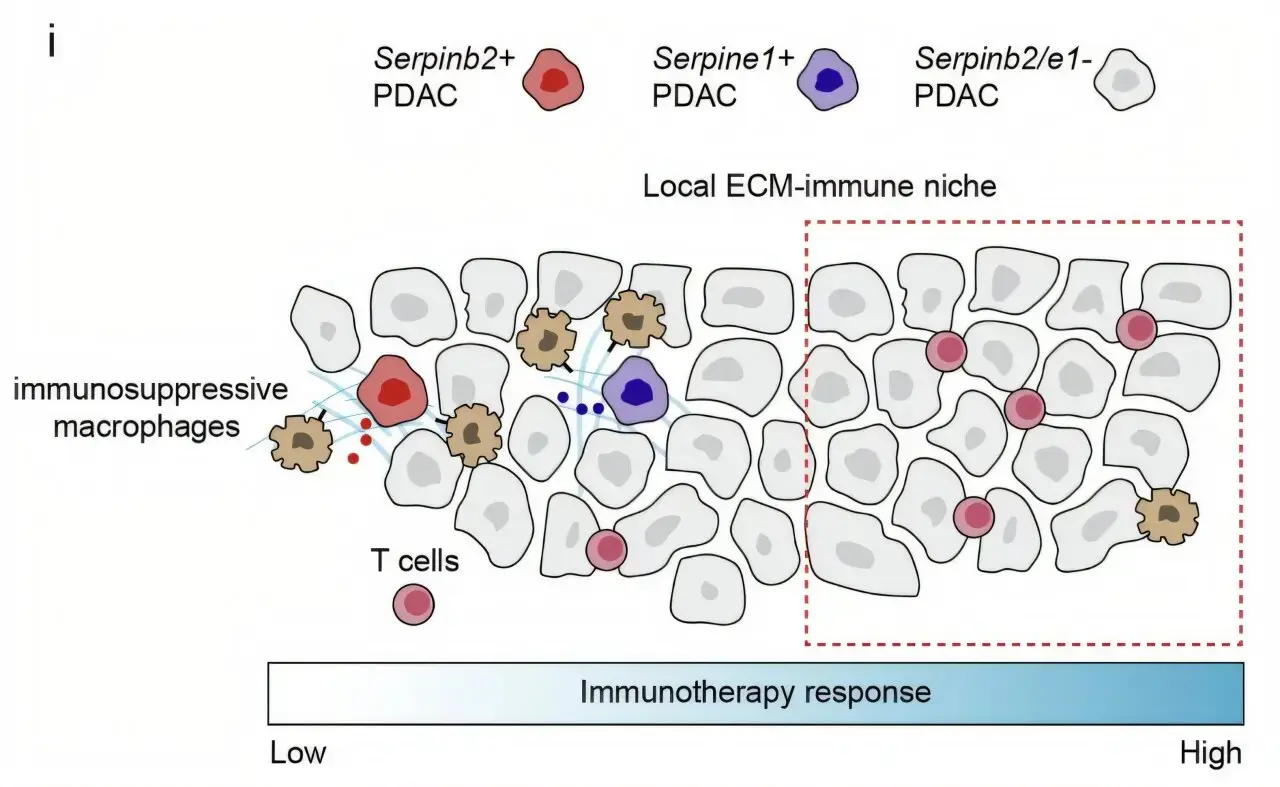 Pancreatic Cancer Hijacks Blood-Clotting System to Evade Immune Attack
 Survey Reveals Most Men Unaware Dairy May Increase Prostate Cancer Risk
The team examined the genetic activity in different parts of the eye, identifying specific genes associated with particular eye conditions. This information can help researchers understand how genetic mutations affect vision. By comparing genetic data from healthy and diseased eyes, the scientists pinpointed genes linked to various eye disorders.
Can Genetics Hold the Key to Preventing Blindness?
The study's findings have significant implications for understanding the causes of vision loss and developing new treatments. According to the researchers, their work could lead to the creation of novel therapies targeting specific genetic mutations. The genetic map provides a valuable resource for scientists investigating the genetic basis of eye diseases.
The discovery of the genetic factors underlying vision loss could lead to improved diagnosis and treatment options for patients. As researchers continue to explore the genetic causes of eye disorders, their work may ultimately help prevent or reverse vision loss in the future.
What is the main achievement of this research? The study has created a detailed genetic map of the human eye, revealing new insights into the genetic factors contributing to vision loss.
Frequently Asked Questions
How will this research impact the treatment of eye diseases? The genetic map will help scientists develop new therapies targeting specific genetic mutations that cause eye disorders.
What are the potential benefits of this study for patients? The research could lead to improved diagnosis and treatment options, potentially preventing or reversing vision loss in the future.
Content written by Dr. Nathan Cole for wellness-bio-radar.com editorial team, AI-assisted.