Caffeine-Activated Safety Switch Designed by AI Offers New Control for Cell Therapies
The science behind the caffeine switch
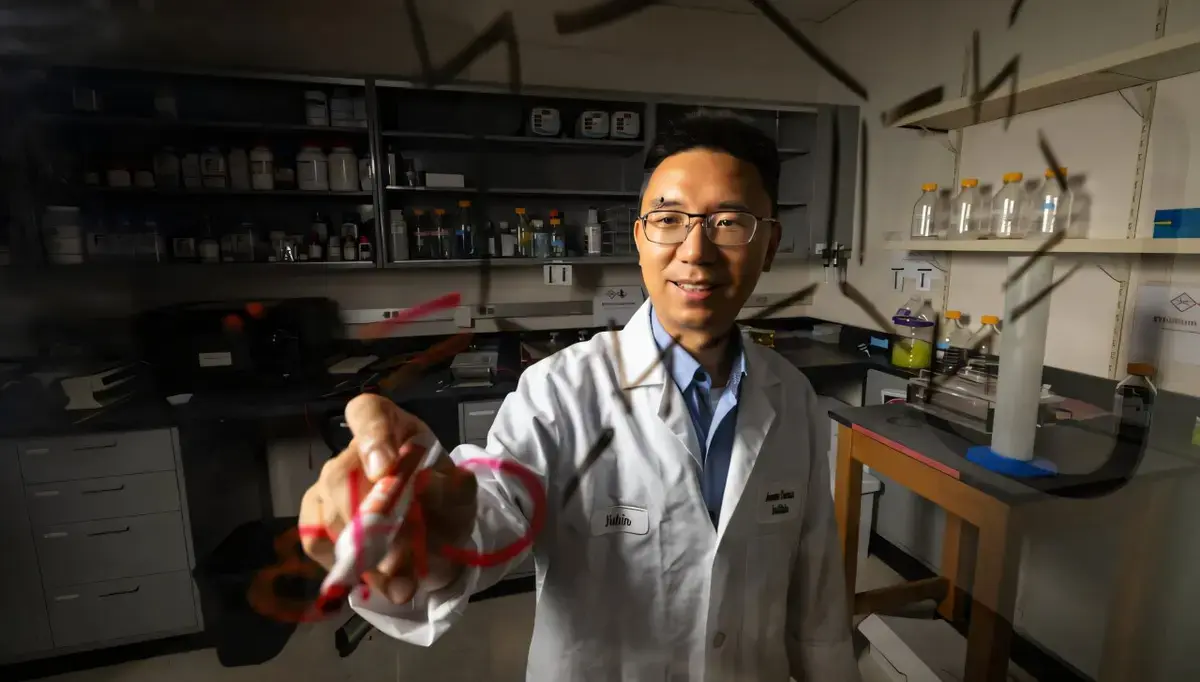
Researchers at Texas A&M Health, led by Dr. Yubin Zhou, have created a caffeine‑responsive safety mechanism for engineered immune cells. The breakthrough was announced this week and could allow clinicians to pause or stop cell‑based treatments with a simple dose of coffee or a caffeine pill.
Health news
 Sleep May Be the Heart's Nightly Repair Window, Study Suggests
 APOE Genotype Influences How Well Blood Tau Protein Predicts Cognitive Decline
 Pancreatic Cancer Hijacks Blood-Clotting System to Evade Immune Attack
 Survey Reveals Most Men Unaware Dairy May Increase Prostate Cancer Risk
The team used artificial intelligence to design a gene circuit that senses caffeine and triggers a shutdown signal in the therapeutic cells. By embedding this circuit, the cells become responsive to a harmless, widely available molecule. The approach addresses longstanding safety concerns in CAR‑T and similar therapies, where uncontrolled activity can cause severe side effects. Zhou’s group tested the system in laboratory models, showing rapid deactivation after caffeine exposure without harming normal tissues.
The AI platform evaluated thousands of protein‑ligand interactions to find a caffeine‑binding domain that could be fused to a transcriptional regulator. When caffeine binds, the regulator flips, turning off genes essential for the engineered cell’s activity. In mouse models, a single cup of coffee reduced the therapeutic cells’ activity by more than 90 percent within minutes. „We wanted a trigger that patients could control themselves, and caffeine fit the bill perfectly,” Zhou explained. The circuit also includes a fail‑safe layer that prevents accidental activation, ensuring precise control only when the drug is administered.
Could a morning espresso really halt a cancer treatment?
Yes, the researchers say the switch can be activated by the amount of caffeine found in a typical cup of coffee. The dose required is comparable to that in a standard 8‑ounce brew, making it easy for patients to self‑administer if toxicity emerges. Clinical trials will determine the exact dosing and timing, but early data suggest that the caffeine trigger works reliably across different cell therapy platforms. „Our goal is to give doctors and patients a simple, reversible off‑switch,” Zhou added. If successful, the method could become a standard safety feature in future cell‑based drugs.
The caffeine‑powered safety switch could reshape how clinicians manage powerful cell therapies. By providing an immediate, non‑invasive way to curb activity, it may lower the risk of cytokine storms and other severe reactions. The technology also opens doors for patient‑controlled treatment adjustments, potentially improving outcomes and expanding the use of cell therapies beyond specialized centers. Ongoing studies will assess long‑term safety and explore integration with other drug‑responsive systems.
Frequently Asked Questions
How quickly does the caffeine switch deactivate therapeutic cells? In preclinical tests, cell activity dropped by over 90 % within minutes after caffeine administration, offering rapid control of the therapy.
Is caffeine the only molecule that can activate this safety circuit? The current design is specific to caffeine, but the AI framework could be adapted to recognize other safe, orally available compounds if needed.
Will patients need to avoid coffee during treatment? Patients may be instructed to withhold caffeine until the therapy is stable, then use it deliberately as an emergency off‑switch under medical guidance.
Content written by Dr. Elena Voss for wellness-bio-radar.com editorial team, AI-assisted.