
Cancer Diagnosis Delays During Screening Study
Delays in Cancer Diagnosis: A Closer Look
Researchers at Texas Tech analyzed data from a screening study to understand delays in cancer diagnosis, while also exploring benefits of resistance training.
Health news
 APOE Genotype Influences How Well Blood Tau Protein Predicts Cognitive Decline
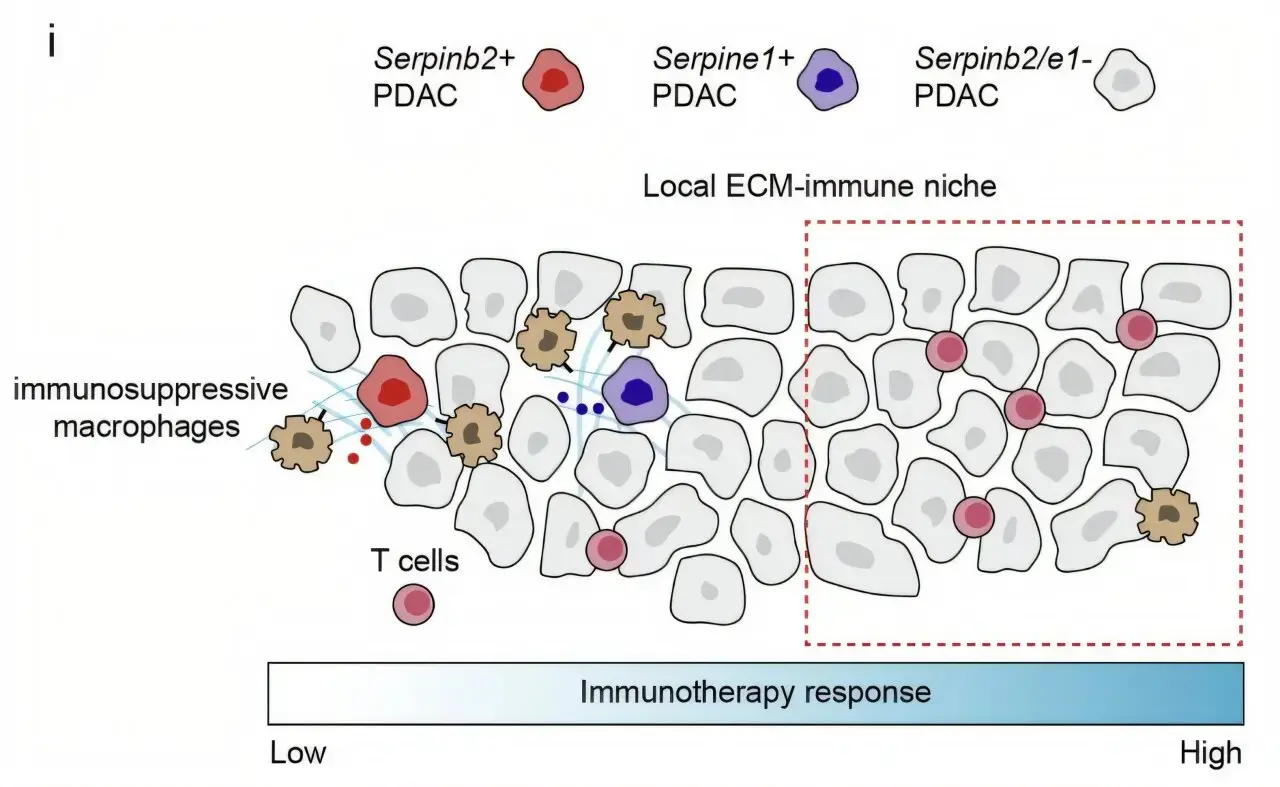 Pancreatic Cancer Hijacks Blood-Clotting System to Evade Immune Attack
 Survey Reveals Most Men Unaware Dairy May Increase Prostate Cancer Risk
 Therapeutic Gardening Shows Promise for Mental Health in Adults with Chronic Illnesses
The TTHealthWatch podcast, hosted by Rick Lange and Elizabeth Tracey, discussed findings from a study on cancer diagnosis delays and the effects of resistance training on health.
The study revealed that certain factors contribute to delays in cancer diagnosis during screening. According to the researchers, these delays can have significant consequences on patient outcomes. The data showed that delays were associated with various factors, including the type of cancer and the screening method used.
Can Resistance Training Mitigate Cancer Treatment Effects?
The hosts discussed the implications of these findings, highlighting the need for improved screening processes to reduce diagnosis delays. Elizabeth Tracey noted that understanding the causes of these delays is crucial to developing effective strategies to address them.
The podcast also explored the benefits of resistance training for patients undergoing cancer treatment. Research has shown that resistance training can improve overall health and reduce the risk of certain side effects associated with cancer treatment. The hosts discussed how incorporating resistance training into treatment plans may help mitigate some of the negative effects of cancer therapy.
The discussion highlighted the importance of a comprehensive approach to cancer care, incorporating both effective screening and treatment strategies, as well as supportive therapies like resistance training. As the hosts noted, this multifaceted approach can help improve patient outcomes and overall quality of life.
Frequently Asked Questions
Q: What were the main factors contributing to delays in cancer diagnosis? A: The study found that the type of cancer and screening method used were among the key factors. Delays varied depending on these factors.
Q: How can resistance training benefit cancer patients? A: Resistance training can improve overall health and reduce certain side effects associated with cancer treatment. It is a valuable supportive therapy.
Q: What is the significance of understanding diagnosis delays? A: Understanding the causes of delays is crucial to developing effective strategies to address them and improve patient outcomes.
Content written by Dr. Elena Voss for wellness-bio-radar.com editorial team, AI-assisted.