
Blood Markers to Guide Lung Cancer Screening
Revolutionizing Early Detection
Researchers at Texas Tech have launched a weekly podcast, TTHealthWatch, discussing the latest medical breakthroughs. Elizabeth Tracey, director of electronic media, and Rick Lange, MD, are among the hosts. The podcast's latest episode aired on May 23, 2026.
Health news
 APOE Genotype Influences How Well Blood Tau Protein Predicts Cognitive Decline
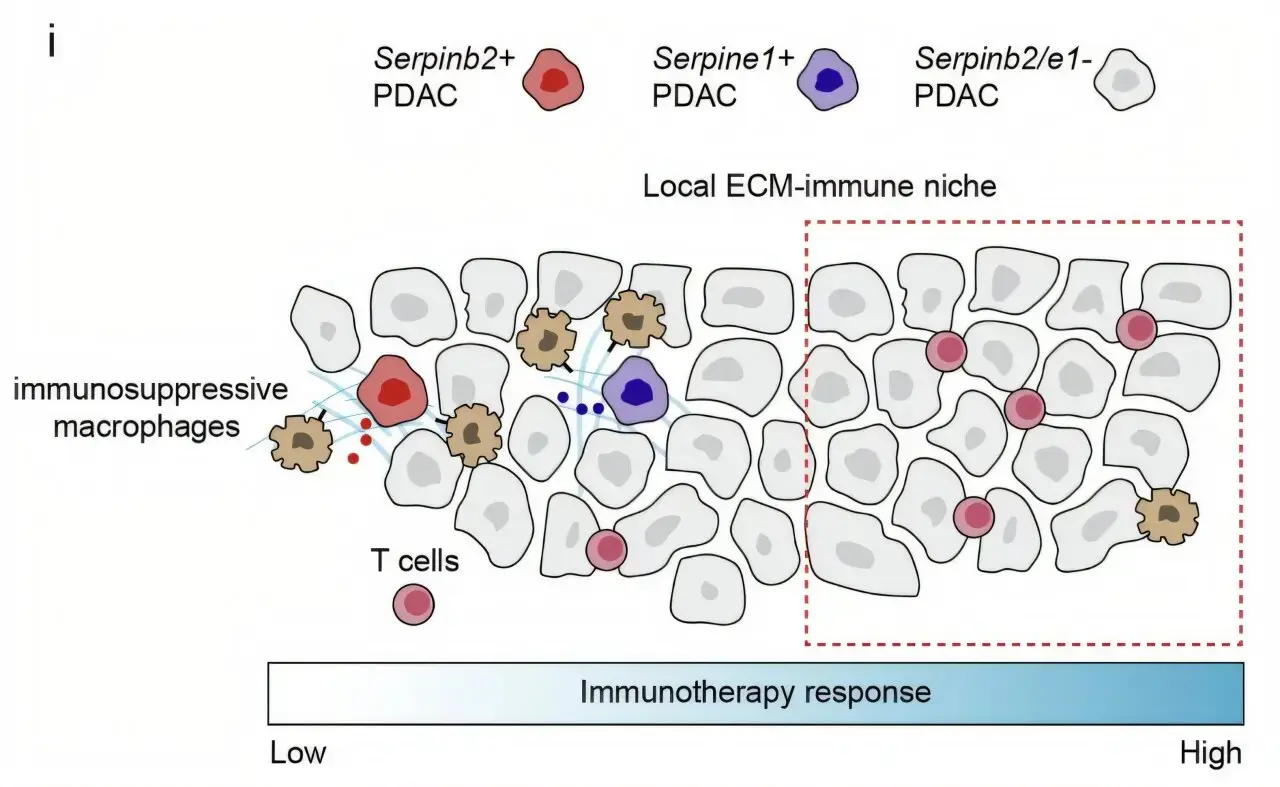 Pancreatic Cancer Hijacks Blood-Clotting System to Evade Immune Attack
 Survey Reveals Most Men Unaware Dairy May Increase Prostate Cancer Risk
 Therapeutic Gardening Shows Promise for Mental Health in Adults with Chronic Illnesses
The episode focused on using blood markers to direct lung cancer screening and a proposed name change for Polycystic Ovary Syndrome (PCOS). Experts discussed how blood tests could identify high-risk patients and improve screening efficiency.
Lung cancer is a leading cause of cancer deaths worldwide. Current screening methods involve low-dose computed tomography (LDCT), but this approach has limitations. Blood markers could help identify patients who would benefit most from LDCT, reducing unnecessary scans and improving early detection rates.
Can Blood Tests Replace Traditional Screening Methods?
Researchers are investigating various blood biomarkers, including proteins and genetic material, to detect lung cancer. Studies have shown promising results, with some markers able to identify cancer at an early stage. Dr. Lange discussed the potential of using whole blood for trauma patients, highlighting the need for more research.
The proposed name change for PCOS aims to reflect the condition's complexity and variability. The current name is often criticized for being too narrow, as it doesn't accurately represent the syndrome's multiple symptoms and characteristics.
Frequently Asked Questions
Q: How accurate are blood markers in detecting lung cancer? A: Studies have shown varying degrees of accuracy, but some markers have demonstrated high sensitivity and specificity. Further research is needed to validate these findings.
Q: What are the implications of a name change for PCOS? A: A new name could improve understanding and diagnosis of the condition, reducing stigma and promoting more effective treatment strategies.
Q: Will blood tests replace traditional lung cancer screening methods? A: Blood tests are unlikely to replace LDCT entirely, but they may be used in conjunction with existing methods to improve screening efficiency and accuracy.
Content written by Claire Ashworth for wellness-bio-radar.com editorial team, AI-assisted.