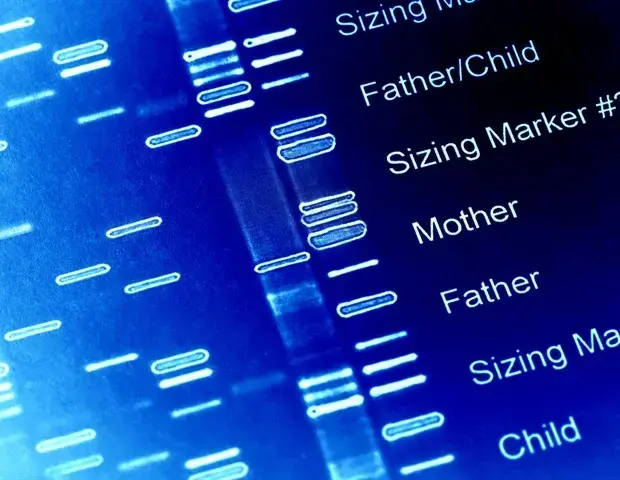
Cancer Genetic Ancestry Affects Disease Progression
Genetic Diversity and Cancer Progression
Researchers presented new findings at the European Society of Human Genetics conference, highlighting the impact of genetic ancestry on cancer progression and survival. The study analyzed data from nearly 9,000 cancer patients across diverse populations. This large-scale research was conducted by experts in human genetics.
Health news
 Sleep May Be the Heart's Nightly Repair Window, Study Suggests
 APOE Genotype Influences How Well Blood Tau Protein Predicts Cognitive Decline
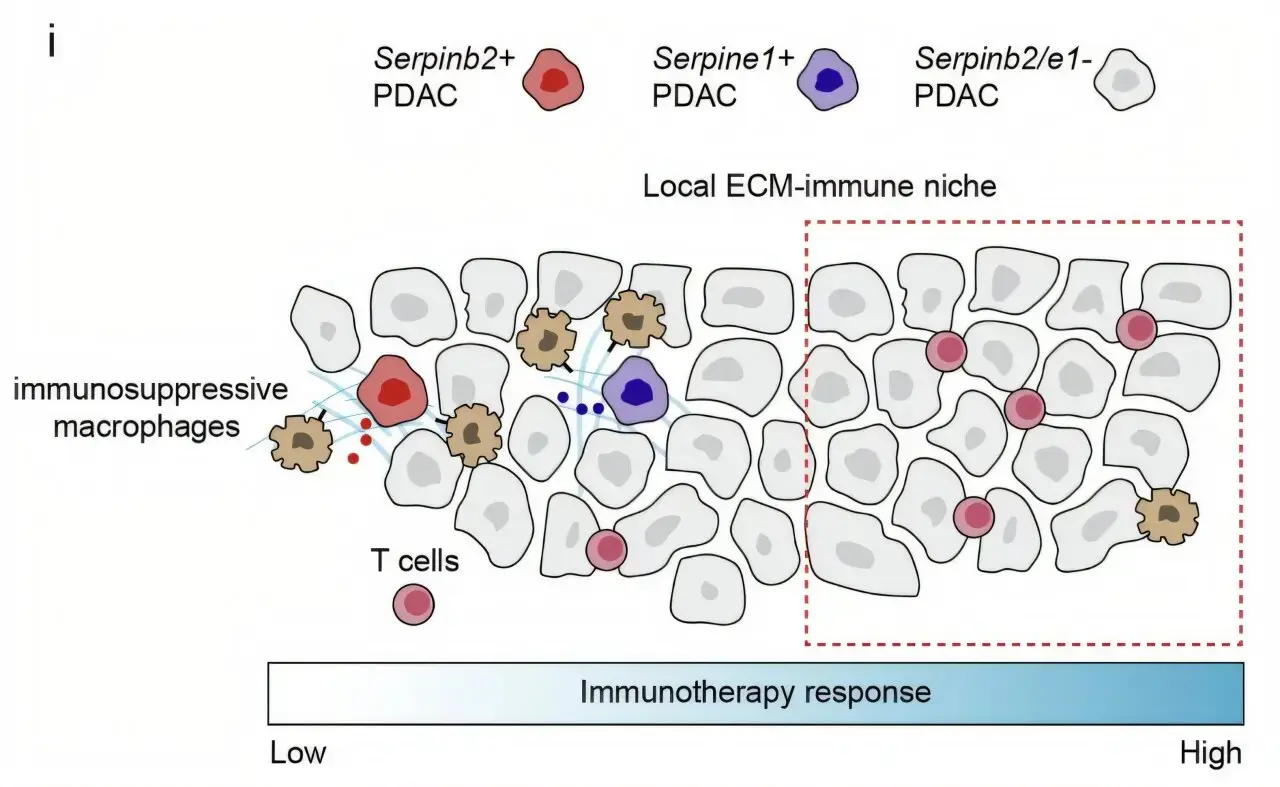 Pancreatic Cancer Hijacks Blood-Clotting System to Evade Immune Attack
 Survey Reveals Most Men Unaware Dairy May Increase Prostate Cancer Risk
The study examined genetic alterations in cancer cells, focusing on genes related to cell proliferation. Researchers found significant differences in these genetic changes among patients from various ancestral backgrounds. This variation affects how cancer develops and responds to treatment.
Can Genetic Ancestry Predict Cancer Outcomes?
The research team discovered unique proliferation gene alterations in different cancer patients, influenced by their genetic ancestry. For instance, certain genetic mutations were more prevalent in patients of African descent, while others were more common in those of European ancestry. These differences can impact the effectiveness of targeted therapies.
Dr. , lead researcher, noted that understanding these genetic variations is crucial for developing personalized cancer treatments. „Our findings highlight the need for more diverse representation in cancer genomics research,”she said. The study's results have significant implications for improving cancer diagnosis and treatment.
Frequently Asked Questions
The researchers investigated whether genetic ancestry could predict cancer outcomes, such as survival rates. They found that certain genetic alterations associated with specific ancestral backgrounds were linked to poorer survival rates. This knowledge can help clinicians identify high-risk patients and tailor treatment strategies accordingly.
The study's findings have far-reaching consequences for cancer research and treatment. By acknowledging the role of genetic ancestry in cancer progression, clinicians can develop more effective, targeted therapies. This could lead to improved patient outcomes and reduced healthcare disparities.
Content written by Marcus Reid for wellness-bio-radar.com editorial team, AI-assisted.