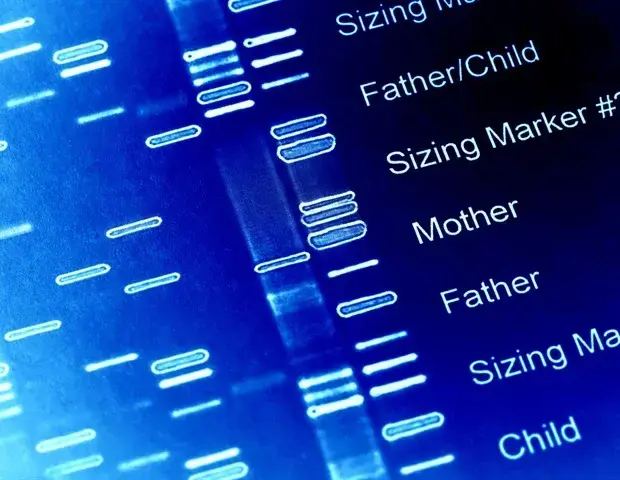
Rare Oral Cancer Genetic Signature Discovered
Unlocking Genetic Secrets
Researchers at the University of Osaka identified a unique genetic signature in oral squamous cell carcinoma on May 26, 2026. This breakthrough discovery could improve diagnosis and treatment. Oral cancer is a significant health concern. Diagnosis is often delayed due to its similarity to benign conditions.
Health news
 Sleep May Be the Heart's Nightly Repair Window, Study Suggests
 APOE Genotype Influences How Well Blood Tau Protein Predicts Cognitive Decline
 Pancreatic Cancer Hijacks Blood-Clotting System to Evade Immune Attack
 Survey Reveals Most Men Unaware Dairy May Increase Prostate Cancer Risk
Oral squamous cell carcinoma, the most common type of oral cancer, can be tricky to diagnose as it mimics gum disease or oral infections. Delayed diagnosis allows the cancer to progress, complicating treatment. Therefore, identifying a distinct genetic signature is crucial for early detection.
The research team discovered a specific genetic pattern associated with oral squamous cell carcinoma. This unique signature can help differentiate it from other oral conditions. By analyzing genetic data, scientists can develop more accurate diagnostic tools.
Can Genetic Signatures Revolutionize Oral Cancer Diagnosis?
The discovery of this genetic signature has significant implications for diagnosis and treatment. With a more accurate diagnosis, doctors can provide targeted treatment, improving patient outcomes. Early detection is critical in cancer treatment, and this breakthrough could lead to better health outcomes.
The identification of a unique genetic signature in oral squamous cell carcinoma could lead to improved diagnosis and treatment, ultimately saving lives. As research continues, we can expect to see advancements in cancer diagnosis and treatment.
Frequently Asked Questions
What is oral squamous cell carcinoma? Oral squamous cell carcinoma is the most common type of oral cancer, often mistaken for benign conditions.
How will this discovery improve diagnosis? The genetic signature will help doctors differentiate oral cancer from other oral conditions, enabling more accurate diagnosis.
What are the implications for treatment? With a more accurate diagnosis, doctors can provide targeted treatment, improving patient outcomes and potentially saving lives.
Content written by Claire Ashworth for wellness-bio-radar.com editorial team, AI-assisted.