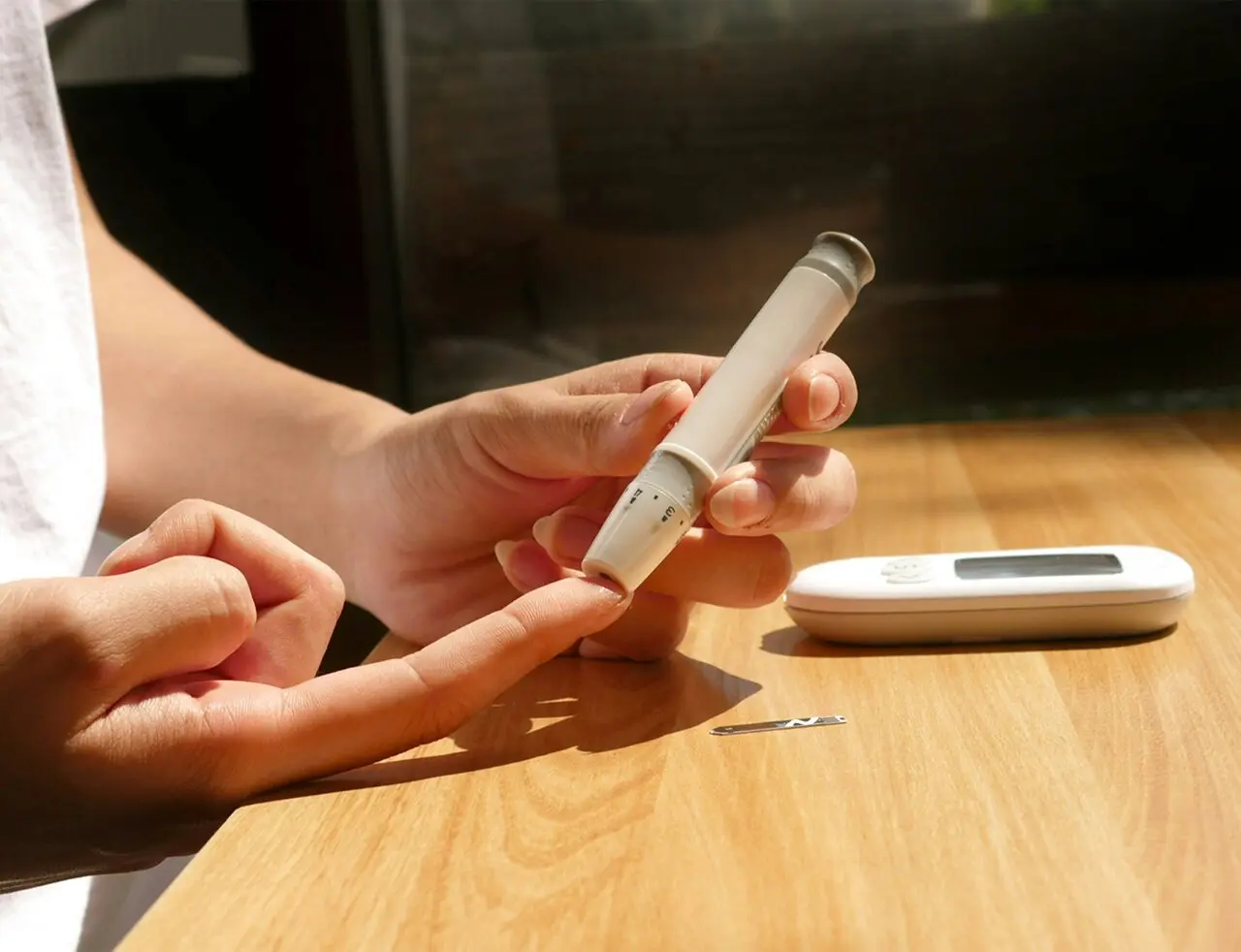
Continuous Glucose Monitoring Shows Trade‑Off Between Blood Sugar Control and Daily Well‑Being
Balancing Numbers and Happiness
At the 2026 Annual Meeting of the European Association for the Study of Diabetes, researchers presented evidence that tighter glucose control can come at the expense of daily quality of life. The study followed 200 adults with type 1 and type 2 diabetes for six months, using real‑time continuous glucose monitoring (CGM) and standardized well‑being questionnaires. Results suggest that while aggressive glycemic targets reduce long‑term complications, they also increase the frequency of hypoglycemia and perceived stress.
Health news
 Why Your Morning Coffee May Boost Your Mood Before You Even Take a Sip
 Positive Topline Results From Phase 3 Panorama Study of DT120 ODT in Generalized Anxiety Disorder
 One Popular Sitting Habit May Accelerate Brain Aging, Study Finds
 Whey Protein Hydrolysate Rich in Tryptophan Peptides Reduces Anxiety and Improves Sleep
Participants who aimed for a mean blood glucose of 4.5–6.0 mmol/L reported more episodes of low blood sugar and more time spent managing alerts. In contrast, those who allowed a slightly higher average of 7.0–8.0 mmol/L experienced fewer hypoglycemic events and reported higher overall life satisfaction. The study found a 30% increase in hypoglycemia in the stricter group, yet their HbA1c dropped by an average of 0.8 percentage points. The researchers argue that the emotional toll of constant monitoring and rapid glucose swings can outweigh the benefits of lower HbA1c for some patients.
Dr. Elena Rossi, the study’s lead author, explained, „Our data show a clear relationship between tighter glucose targets and reduced quality of life. Patients felt more anxious and less free to enjoy daily activities.” She added that the trade‑off is most pronounced in younger adults who rely heavily on technology for work and social life.
Is Better Glycemic Control Worth the Cost?
The findings raise questions about personalized target setting. „One size does not fit all,” said Dr. Michael Chen, a diabetes educator not involved in the study. „Clinicians should discuss the psychological impact of tight control with patients.” The research team recommends incorporating patient preferences into treatment plans, especially for those who experience frequent hypoglycemia or report high stress levels.
The study also examined the role of CGM alerts. Participants who disabled non‑critical alerts reported fewer interruptions, but their glucose variability increased slightly. This suggests that customizing alert thresholds may help balance safety and well‑being. Future research will explore adaptive algorithms that adjust alert sensitivity based on individual lifestyle patterns.
The implications for clinical practice are significant. Diabetes guidelines currently emphasize strict HbA1c targets, but this study suggests that a more flexible approach could improve adherence and overall health. Health systems may need to invest in patient education and support tools that address both metabolic control and mental health.
Frequently Asked Questions
What is the main trade‑off identified in the study? Tight glucose targets lower HbA1c but raise hypoglycemia frequency and stress, reducing overall quality of life.
How can patients balance better control with well‑being? By discussing personalized goals with their healthcare team, adjusting alert settings, and monitoring how glucose swings affect daily life.
Will this change clinical guidelines? The study encourages a shift toward individualized targets, but guideline changes will depend on further evidence and consensus among experts.
Content written by Dr. Elena Voss for wellness-bio-radar.com editorial team, AI-assisted.