
Early Intensive Therapy for Type 2 Diabetes Expands Beyond Blood Sugar Control, ADA Reports
Can Early Multi‑Target Therapy Reduce Cardiovascular Risk?
At the American Diabetes Association’s annual scientific session in Chicago on July 13, 2026, investigators unveiled the SURPASS‑EA trial results. The study examined whether starting intensive treatment early in type 2 diabetes could improve outcomes beyond glucose lowering. Researchers presented the data during a plenary session, with endocrinologist Stefano Del Prato leading the discussion.
Health news
 Sleep May Be the Heart's Nightly Repair Window, Study Suggests
 APOE Genotype Influences How Well Blood Tau Protein Predicts Cognitive Decline
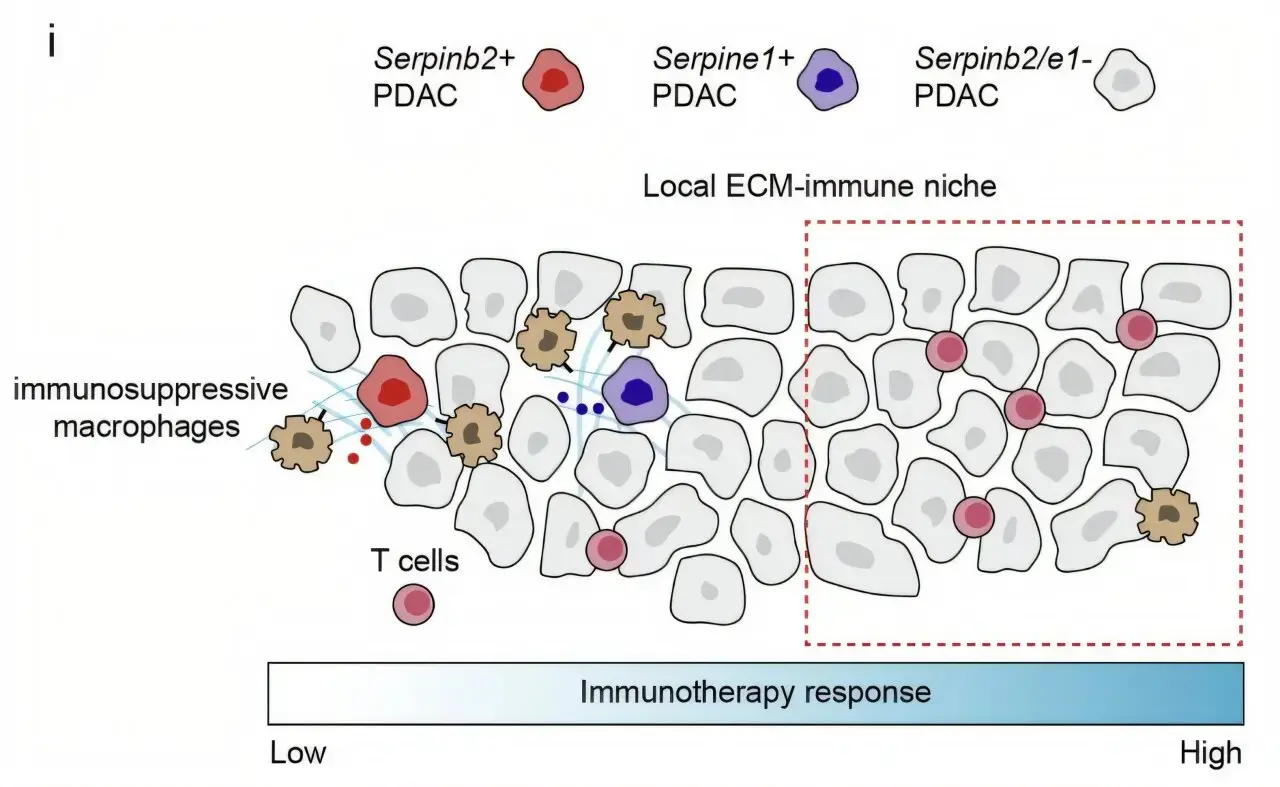 Pancreatic Cancer Hijacks Blood-Clotting System to Evade Immune Attack
 Survey Reveals Most Men Unaware Dairy May Increase Prostate Cancer Risk
The SURPASS‑EA trial enrolled 2,300 adults newly diagnosed with type 2 diabetes and randomized them to either standard step‑wise therapy or a combination regimen that added a GLP‑1 receptor agonist and an SGLT2 inhibitor from day one. Over a median follow‑up of 3 years, the intensive arm showed superior weight loss, lower blood pressure, and a 22 % reduction in major adverse cardiovascular events. Del Prato emphasized that the findings support a shift toward a more holistic, early‑intervention model that targets multiple disease pathways simultaneously.
Historically, clinicians have focused on achieving target HbA1c levels before adding agents that address cardiovascular or renal risk. The new data challenge that paradigm by demonstrating measurable benefits when combination therapy begins at diagnosis. „We are no longer treating diabetes as a single‑parameter disease,” Del Prato said. „Early use of agents that influence weight, blood pressure, and kidney function can change the disease trajectory.” The trial also reported a 15 % decline in progression to albuminuria and a modest improvement in heart‑failure hospitalization rates. Researchers attribute these outcomes to the synergistic actions of GLP‑1 and SGLT2 drugs, which together improve endothelial function and reduce inflammation.
Cardiovascular disease remains the leading cause of death among people with type 2 diabetes. In the SURPASS‑EA cohort, the intensive therapy group experienced 1.8 events per 100 patient‑years versus 2.3 in the standard‑care group. This translates to a number needed to treat of 20 over three years to prevent one cardiovascular event. „The magnitude of risk reduction is comparable to what we see with statins in primary prevention,” noted Dr. Maria Chen, a co‑author of the study. The trial also highlighted better lipid profiles, with a 10 % drop in LDL‑cholesterol and a 12 % rise in HDL‑cholesterol, reinforcing the cardiovascular advantage of early combination therapy.
Frequently Asked Questions
The implications of these findings could reshape clinical guidelines. If regulators endorse early use of GLP‑1 and SGLT2 agents, primary‑care providers may adopt a more aggressive treatment stance soon after diagnosis. Ongoing cost‑effectiveness analyses will determine whether the upfront expense of combination therapy is offset by reduced hospitalizations and long‑term complications. Nonetheless, the data provide a compelling case for rethinking the timing and scope of intervention in type 2 diabetes.
What does „early intensive treatment” mean in this context? It refers to initiating a regimen that combines glucose‑lowering drugs with agents that target weight, blood pressure, and kidney health at the time of diabetes diagnosis, rather than after glycemic targets are missed.
Are there safety concerns with starting GLP‑1 and SGLT2 inhibitors together? The trial reported similar adverse‑event rates between groups, with the most common side effects being mild gastrointestinal symptoms and transient genital infections, both manageable with standard care.
Will insurance plans cover this early combination approach? Coverage decisions vary, but the upcoming cost‑effectiveness studies aim to demonstrate long‑term savings, which could encourage broader reimbursement for early multi‑target therapy.
Content written by Claire Ashworth for wellness-bio-radar.com editorial team, AI-assisted.