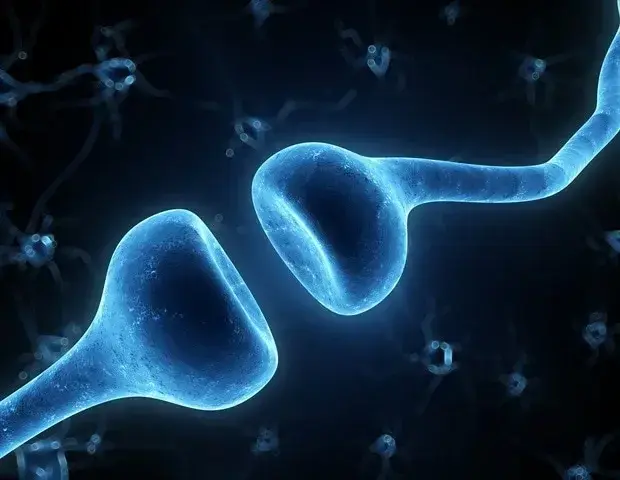
Dendritic Cell Diversity Across Cancers Mapped
Uncovering Dendritic Cell Heterogeneity
Researchers from VIB and VUB, along with international collaborators, have created a comprehensive single-cell atlas of tumor-associated dendritic cells. The study was published on June 1, 2026. It analyzed data from 14 mouse tumor models and 10 human cancer types.
Health news
 Voice Recording Predicts Age, Reveals New Biological Clock
 Popular Zero-Calorie Sweeteners May Pass Effects to Future Generations
 Movement Patterns Linked to Longevity
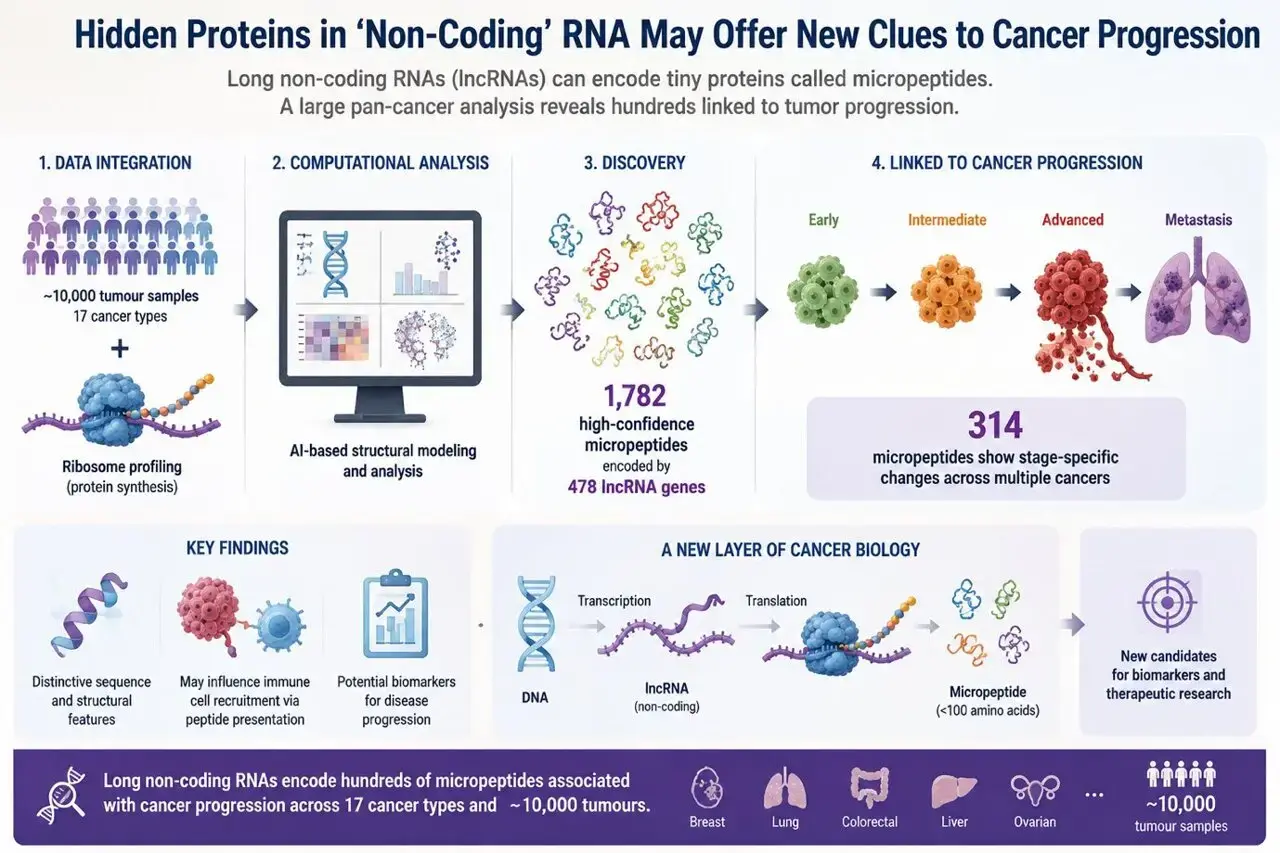 Hidden Proteins In Non-Coding RNA May Explain Cancer Spread
The atlas provides a detailed, cross-species view of how these key immune cells are organized and function in various cancers. By integrating data from different sources, the researchers aimed to understand the diversity of dendritic cells and their role in the tumor microenvironment.
Can Dendritic Cells be Harnessessed for Cancer Therapy?
The study revealed a high degree of heterogeneity among dendritic cells, with different subpopulations exhibiting distinct characteristics and functions. The researchers identified specific subsets of dendritic cells that were associated with improved cancer outcomes. „Our atlas provides a valuable resource for understanding the complex interactions between dendritic cells and other immune cells in the tumor microenvironment,”said the researchers.
The analysis showed that certain dendritic cell subpopulations were more effective at stimulating anti-tumor immune responses. The researchers also found that the presence of these subpopulations varied across different cancer types.
The findings have significant implications for the development of cancer therapies that target dendritic cells. By understanding the diversity of dendritic cells and their role in different cancers, researchers can design more effective treatments. The study's results suggest that therapies aimed at enhancing the function of specific dendritic cell subpopulations could lead to improved cancer outcomes.
Frequently Asked Questions
The creation of this comprehensive atlas marks a significant step forward in understanding the complex biology of dendritic cells in cancer. As researchers continue to analyze the data and explore the therapeutic potential of targeting dendritic cells, new avenues for cancer treatment may emerge.
What is the main finding of the study? The study created a comprehensive single-cell atlas of tumor-associated dendritic cells, revealing their diversity and role in different cancers. How was the atlas created? The atlas was created by integrating data from 14 mouse tumor models and 10 human cancer types. What are the potential implications of the study's findings? The findings could lead to the development of new cancer therapies that target specific subpopulations of dendritic cells.
Content written by Claire Ashworth for wellness-bio-radar.com editorial team, AI-assisted.