Epilepsy Drug Affects Brain Development in Lab-Grown Cells
Disrupted Brain Development Uncovered
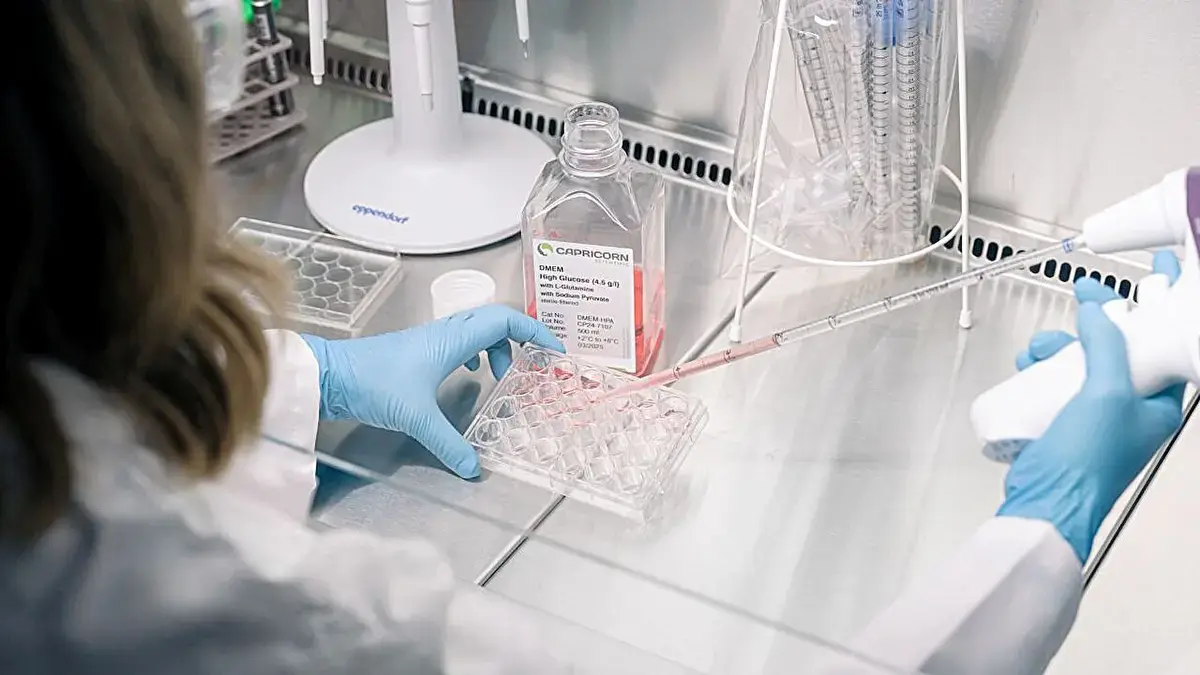
Researchers at Karlsruhe Institute of Technology used human organoids to study brain development. They exposed the cells to valproate, a common epilepsy medication, for 30 days. The team found that the drug disrupted early brain growth.
Health news
 Sleep May Be the Heart's Nightly Repair Window, Study Suggests
 APOE Genotype Influences How Well Blood Tau Protein Predicts Cognitive Decline
 Pancreatic Cancer Hijacks Blood-Clotting System to Evade Immune Attack
 Survey Reveals Most Men Unaware Dairy May Increase Prostate Cancer Risk
Valproate is known to increase the risk of developmental disorders in children exposed to it in the womb. The exact mechanisms behind this were unclear. By using organoids, three-dimensional cell cultures that mimic brain development, scientists can now study this process in detail.
The study revealed that valproate exposure altered the structure and function of the organoids. The cells showed abnormal growth patterns and changes in gene expression. This suggests that the drug affects critical pathways involved in brain development.
Can Epilepsy Medications Be Safer?
The researchers' findings have significant implications for pregnant women with epilepsy. They highlight the need for careful consideration of medication options during pregnancy. Alternative treatments that balance seizure control with fetal safety are essential.
The consequences of these findings are far-reaching. They may lead to a reevaluation of valproate use in pregnant women and the development of safer epilepsy medications. As research continues, a better understanding of the risks and benefits of various treatments will emerge.
Frequently Asked Questions
What is valproate used for? Valproate is a medication used to treat epilepsy and other conditions. It works by controlling seizures.
How do organoids help in this research? Organoids are three-dimensional cell cultures that mimic brain development, allowing scientists to study complex processes in a controlled environment.
Can epilepsy be treated safely during pregnancy? Researchers are working to develop safer treatment options that balance seizure control with fetal safety, but more research is needed.
Content written by Marcus Reid for wellness-bio-radar.com editorial team, AI-assisted.