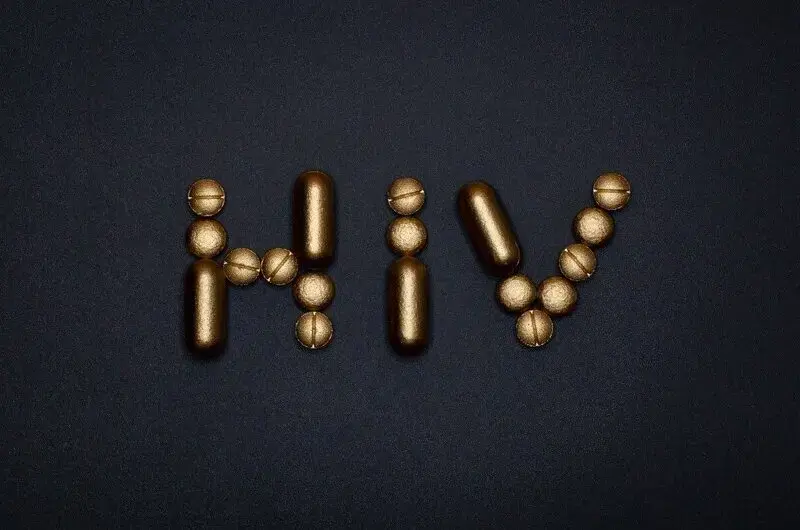
HIV: A Persistent Threat to Brain Health
The Brain's Hidden HIV Reservoir
HIV can infiltrate the brain and remain there indefinitely. This poses a significant risk of cognitive decline and memory loss for those living with the virus. Recent research reveals a surprising effect of anti-inflammatory drugs commonly used to treat HIV-related brain issues.
Health news
 Sleep May Be the Heart's Nightly Repair Window, Study Suggests
 APOE Genotype Influences How Well Blood Tau Protein Predicts Cognitive Decline
 Pancreatic Cancer Hijacks Blood-Clotting System to Evade Immune Attack
 Survey Reveals Most Men Unaware Dairy May Increase Prostate Cancer Risk
The human immunodeficiency virus doesn’t just attack the body’s immune system. It also crosses the blood-brain barrier, establishing a reservoir within the central nervous system. Once inside, the virus persists, even with antiretroviral therapy. This ongoing presence can lead to neurocognitive disorders, affecting thinking, learning, and memory. These disorders range in severity, impacting daily life.
Researchers have long known about HIV’s ability to hide within immune cells in the body. However, the brain presents a unique challenge. It’s a „sanctuary site” where the virus is less effectively reached by antiretroviral drugs. This is due to the blood-brain barrier, which protects the brain from harmful substances but also limits drug delivery. Consequently, HIV can quietly replicate within the brain, causing damage over time.
Could Treatment Be Worsening the Problem?
The latest findings focus on microglia, the brain’s resident immune cells. These cells become activated in response to inflammation. Doctors often prescribe drugs to calm this inflammation, hoping to protect the brain. However, this new research suggests these same drugs may inadvertently increase HIV levels within the brain. The anti-inflammatory treatment appears to disrupt the microglia's ability to suppress viral replication.
The study showed that reducing inflammation actually allowed the virus to replicate more freely within the microglia. This is a counterintuitive finding, as reducing inflammation is generally considered beneficial. Researchers believe that microglia play a crucial role in controlling HIV within the brain. When their inflammatory response is suppressed, the virus gains an advantage.
This doesn’t mean anti-inflammatory drugs should be stopped immediately. More research is needed to fully understand this complex interaction. Scientists are exploring alternative strategies to manage inflammation without compromising the brain’s natural defenses against HIV. They are also investigating ways to enhance drug delivery to the brain, ensuring that antiretroviral therapy effectively reaches the viral reservoir.
The long-term consequences of persistent HIV in the brain are serious. Cognitive impairment can significantly impact quality of life, affecting work, relationships, and independence. Understanding how HIV interacts with the brain and how treatments affect this interaction is crucial for developing more effective therapies. Future research will focus on strategies to eliminate the viral reservoir within the brain and prevent further neurological damage.
Frequently Asked Questions
What are the early signs of HIV-related cognitive impairment? Subtle changes in memory, concentration, and problem-solving skills can be early indicators. These changes may be difficult to detect initially, but they can gradually worsen over time. Regular cognitive assessments are important for individuals living with HIV.
Is there a way to prevent HIV from entering the brain? Currently, there is no known way to completely prevent HIV from entering the brain. However, early diagnosis and consistent antiretroviral therapy can help control the virus and minimize its impact on the central nervous system.
Can cognitive function be improved after HIV-related damage? While reversing significant brain damage is challenging, cognitive rehabilitation and supportive therapies can help individuals manage symptoms and improve their quality of life. Early intervention is key to maximizing potential recovery.
Content written by Dr. Elena Voss for wellness-bio-radar.com editorial team, AI-assisted.