Human Telomerase Varies Across Species
Species-Specific Telomerase Efficiency
Researchers in Madrid recently investigated telomerase activity. The study, published April 13, 2026, in Aging-US, examined how human telomerase functions in different animal species. Raúl Sánchez-Vázquez and Paula Martínez co-led the research, with María A. Blasco overseeing the project at the Spanish National Cancer Centre (CNIO).
Health news
 Voice Recording Predicts Age, Reveals New Biological Clock
 Popular Zero-Calorie Sweeteners May Pass Effects to Future Generations
 Movement Patterns Linked to Longevity
 Hidden Proteins In Non-Coding RNA May Explain Cancer Spread
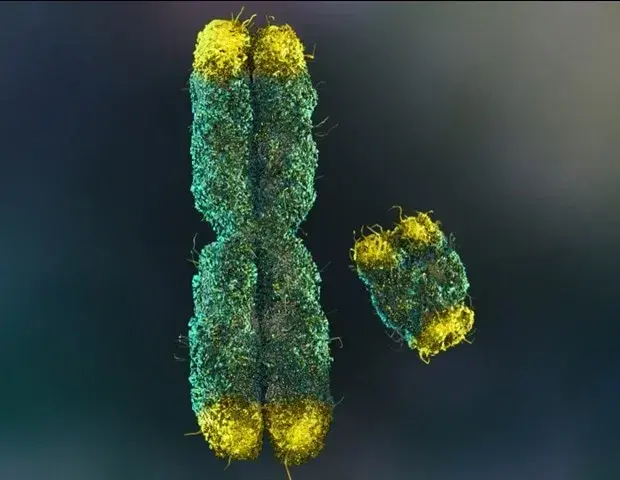
The team focused on TERT, a key component of human telomerase. Telomerase is an enzyme that maintains the length of telomeres. Telomeres are protective caps on the ends of chromosomes. Shortening telomeres are linked to aging and disease. Understanding how telomerase works across species is crucial for anti-aging research.
The research revealed significant differences in telomerase function. Human telomerase showed limited activity when introduced into cells from other species. It wasn’t as effective at lengthening telomeres in these non-human cells. This suggests that species-specific factors influence telomerase efficiency.
Can Telomerase Be Universally Applied?
Researchers believe these factors involve proteins that interact with TERT. These proteins help telomerase assemble and function correctly. Variations in these proteins across species may explain the observed differences. The study highlights that simply transferring the human TERT gene isn’t enough to achieve telomere lengthening in other animals.
The team conducted experiments using various cell types. They observed consistent results across different tissues and species. This reinforces the idea that the limitations aren't specific to certain cell types. It’s a fundamental difference in how telomerase interacts with cellular machinery.
„Our findings indicate that human telomerase isn’t universally compatible,” explained Dr. Blasco. „There are species-specific barriers that prevent it from functioning optimally in other organisms.” The research utilized advanced molecular biology techniques to analyze telomere length and telomerase activity. They measured enzyme function and protein interactions to understand the underlying mechanisms.
Frequently Asked Questions
This research has implications for gene therapy and anti-aging strategies. Attempts to extend lifespan by introducing human telomerase into animals may face challenges. The study suggests that species-specific modifications to TERT or its interacting proteins might be necessary. Further research will focus on identifying these critical factors. This could pave the way for more effective and targeted interventions.
What are telomeres and why are they important? Telomeres protect the ends of chromosomes from damage. They shorten with each cell division, contributing to aging and disease. Maintaining telomere length is essential for cellular health and longevity.
Does this mean anti-aging therapies targeting telomerase are impossible? Not necessarily. It suggests that a one-size-fits-all approach won’t work. Researchers need to consider species-specific differences when developing telomerase-based therapies. Tailoring the treatment to each organism is crucial for success.
Content written by Dr. Nathan Cole for wellness-bio-radar.com editorial team, AI-assisted.