
CAR T Therapy’s Success Varies Among Patients
The Role of Cellular Energy
Researchers are gaining insight into why CAR T-cell therapy effectively treats cancer in some individuals, but not others. The study, conducted by Rutgers University, examines factors influencing treatment outcomes. This innovative therapy uses a patient’s own immune cells to fight cancer. Findings were recently published in Cell Reports.
Health news
 Voice Recording Predicts Age, Reveals New Biological Clock
 Popular Zero-Calorie Sweeteners May Pass Effects to Future Generations
 Movement Patterns Linked to Longevity
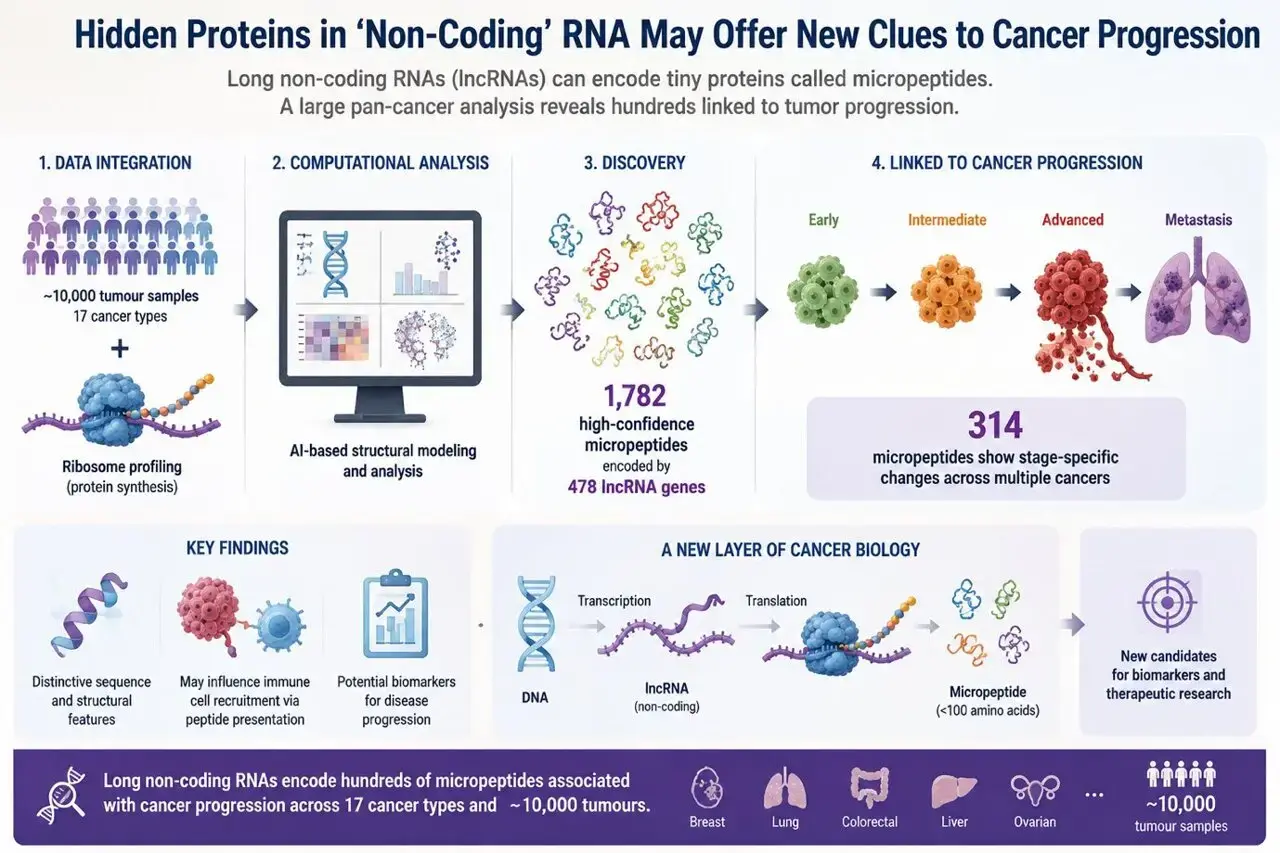 Hidden Proteins In Non-Coding RNA May Explain Cancer Spread
CAR T-cell therapy is a powerful cancer treatment. It involves genetically modifying a patient’s T-cells. These modified cells then target and destroy cancer cells. However, its success isn’t universal. Scientists have long sought to understand the reasons behind this variability. The new research focuses on the metabolic state of T-cells.
The study revealed a crucial link between T-cell metabolism and therapy effectiveness. T-cells require significant energy to function and eliminate cancer. Researchers discovered that patients whose T-cells exhibited robust metabolic activity responded better to treatment. These cells demonstrated a greater capacity for glucose uptake and utilization. This translates to sustained energy levels needed for prolonged cancer cell killing.
Can We Predict Treatment Response?
„We found that the metabolic fitness of T-cells is a critical determinant of their ability to fight cancer,” explained the lead researcher. „Cells with higher metabolic rates were more effective at eliminating tumors.” The team utilized advanced techniques to analyze T-cell metabolism. They assessed glucose consumption, mitochondrial function, and key metabolic pathways. These analyses helped identify specific metabolic signatures associated with treatment success or failure.
A key question is whether metabolic profiling can predict which patients will benefit from CAR T therapy. The research suggests it’s possible. By assessing a patient’s T-cell metabolism before treatment, doctors may be able to identify those likely to respond. This could prevent unnecessary treatment for patients unlikely to benefit. It also allows doctors to tailor treatment strategies.
The team also investigated how the tumor microenvironment impacts T-cell metabolism. They found that certain tumors create a metabolic environment that suppresses T-cell activity. This suppression hinders the ability of CAR T-cells to effectively target and destroy cancer. Understanding these interactions is vital for improving therapy efficacy. Researchers believe manipulating the tumor microenvironment could enhance treatment outcomes.
Frequently Asked Questions
The findings have significant implications for the future of cancer treatment. Optimizing T-cell metabolism could improve CAR T-cell therapy. This could involve pre-conditioning patients to enhance T-cell fitness. It could also include developing strategies to overcome metabolic suppression within tumors. Further research is needed to translate these findings into clinical practice. However, this study provides a crucial step towards personalized cancer immunotherapy.
What is the tumor microenvironment? The tumor microenvironment is the complex ecosystem surrounding a tumor. It includes blood vessels, immune cells, and signaling molecules. This environment can either promote or inhibit cancer growth and treatment response.
How does glucose uptake relate to T-cell function? Glucose is a primary energy source for T-cells. Higher glucose uptake indicates greater metabolic activity. This allows T-cells to proliferate, survive, and effectively kill cancer cells.
Content written by Claire Ashworth for wellness-bio-radar.com editorial team, AI-assisted.