Lab-Grown Tumors Reveal Immune Cells Capable of Killing Small Cell Lung Cancer
The presence of these cells correlated with improved patient outcomes in
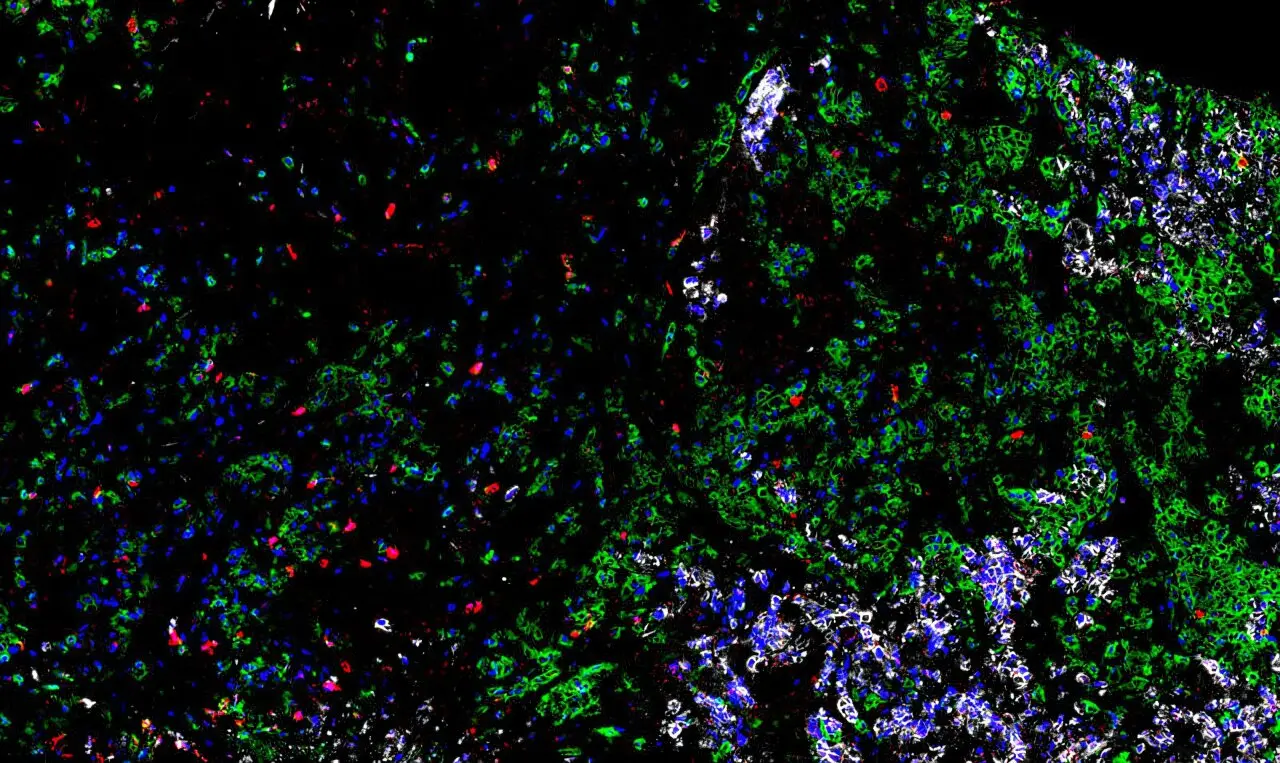
Researchers at the Walter and Eliza Hall Institute (WEHI) in Melbourne have identified a previously overlooked type of immune cell that can recognize and destroy small cell lung cancer cells. The discovery, published in Cancer Cell, emerged from laboratory models using lab-grown tumors that mimicked the aggressive disease. Patients with higher levels of these immune cells in their tumors were found to survive longer, suggesting a natural defense mechanism that could be harnessed for new therapies. The study focused on tumor-infiltrating lymphocytes that had not been previously associated with anti-cancer activity in small cell lung cancer. Using advanced sequencing and functional assays, WEHI scientists observed that these cells secreted molecules capable of directly killing cancer cells in vitro.
Health news
 Intermittent Fasting Plus Exercise Boosts Weight Loss in Obese Adults
 NeuroXT Secures FDA Clearance for AI Alzheimer’s Risk Tool
 Fountain Life secures top longevity clinic honor for second year running
 Brain Mechanisms for Merging Facial and Vocal Emotions Revealed
The presence of these cells correlated with improved patient outcomes in clinical samples, indicating their potential role in suppressing tumor progression despite the cancer’s notorious resistance to treatment. A Hidden Immune Response Uncovered in Aggressive Cancer Small cell lung cancer is known for its rapid growth and early spread, making it one of the deadliest forms of lung cancer with limited treatment options. Traditional immunotherapies have shown little success in this cancer type, partly because it was believed to evade immune detection. However, the WEHI team found that even in this immunosuppressive environment, a rare subset of T cells remained active and capable of targeting tumor antigens.
These cells were not only present but functional
These cells were not only present but functional, challenging assumptions about immune ignorance in small cell lung cancer. Can These Cells Be Expanded for Therapeutic Use? Scientists are now investigating whether these tumor-killing immune cells can be isolated, expanded in the lab, and reintroduced into patients as a form of adoptive cell therapy. Early experiments show that when these cells are activated outside the body, their cancer-killing ability increases significantly. Researchers caution that more work is needed to understand what activates these cells naturally and how to sustain their activity within the hostile tumor microenvironment. Frequently Asked Questions What type of immune cell was found to kill small cell lung cancer? The researchers identified a subset of tumor-infiltrating T cells that demonstrated direct cytotoxic activity against small cell lung cancer cells in laboratory tests. Why had these immune cells been overlooked in previous studies?
These cells were rare and did not show typical markers of activation, leading earlier research to miss their functional capacity despite their presence in tumors. What does higher levels of these cells mean for patient survival? Patients whose tumors contained greater numbers of these immune cells experienced longer overall survival, suggesting a protective role in disease progression.
Content written by Medical Xpress for wellness-bio-radar.com editorial team, AI-assisted.