Exhausted immune cells in head and neck cancer reveal a specific metabolic flaw
Metabolic bottlenecks halt tumor defense
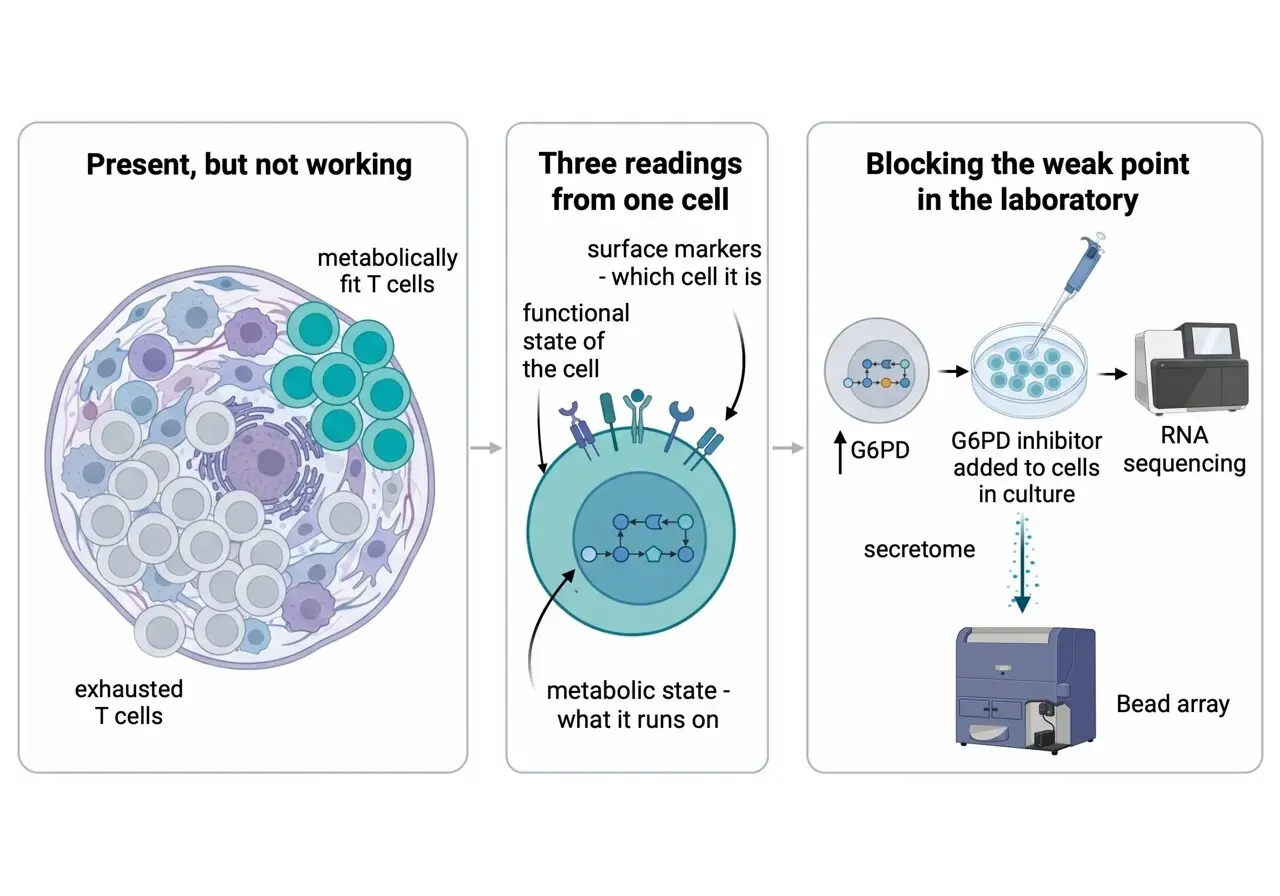
Researchers at Johns Hopkins University have identified a critical metabolic weakness in immune cells attacking head and neck tumors. These cells successfully migrate into the tumor microenvironment but often cease functioning upon arrival. This discovery explains why many patients experience treatment resistance despite having an active immune response. The study focuses on how energy production fails in these exhausted T-cells.
Health news
 NeuroXT Secures FDA Clearance for AI Alzheimer’s Risk Tool
 Fountain Life secures top longevity clinic honor for second year running
 Brain Mechanisms for Merging Facial and Vocal Emotions Revealed
 Beacon Biosignals Buys Snap Diagnostics to Expand Home Sleep Testing Reach
The team investigated why immune defenses collapse within solid tumors. While immune cells can penetrate the cancer mass, their ability to fight is severely compromised. The researchers found that these cells struggle to generate sufficient energy. This metabolic bottleneck prevents them from maintaining the high activity levels needed for sustained attack. Understanding this specific failure point offers a new avenue for therapeutic intervention.
The study highlights a distinct shift in cellular metabolism during exhaustion. Immune cells rely on specific pathways to fuel their combat functions. In head and neck cancers, this system breaks down early. The cells cannot sustain the necessary biochemical reactions. This leads to a state of functional inactivity. The research team mapped this process to identify the exact moment of failure. They determined that the inability to switch metabolic modes is the primary cause. This finding moves beyond general observations of cell fatigue. It pinpoints a precise biological mechanism responsible for the decline in efficacy.
Can targeted therapy restore cellular energy?
The identification of this weak point suggests potential new treatments. If the metabolic flaw is known, it might be corrected. Therapies could aim to boost energy production in exhausted cells. This approach differs from current methods that simply stimulate immune activity. Instead, it addresses the underlying fuel supply issue. The researchers believe that restoring metabolic balance could reactivate dormant defenses. This strategy may enhance the effectiveness of existing immunotherapies. By fixing the engine, the vehicle can move again. The team is now exploring compounds that target this specific pathway.
Head and neck cancers remain difficult to treat due to rapid immune exhaustion. This new understanding provides a clearer roadmap for drug development. Clinicians may soon have tools to keep immune cells energized longer. The focus shifts from recruitment to maintenance of function. Patients may benefit from therapies that sustain rather than just initiate attacks. This metabolic perspective offers hope for improved survival rates. Future clinical trials will test interventions based on these findings. The goal is to turn a weak point into a strong target for treatment.
Frequently Asked Questions
Why do immune cells fail in head and neck tumors? They fail because of a metabolic bottleneck that stops energy production. Cells arrive at the tumor but cannot sustain the activity required to kill cancer cells.
What specific weakness did the researchers find? The study identified a flaw in how exhausted cells manage their metabolic pathways. This prevents them from switching to the energy modes needed for sustained fighting.
How might this change cancer treatment? Therapies could be designed to fix the metabolic defect directly. This would help maintain immune function longer within the tumor environment.
Content written by Medical Xpress for wellness-bio-radar.com editorial team, AI-assisted.