Specialized Immune Cells Link Nervous and Immune Systems
How Neural Signals Shape Immune Function
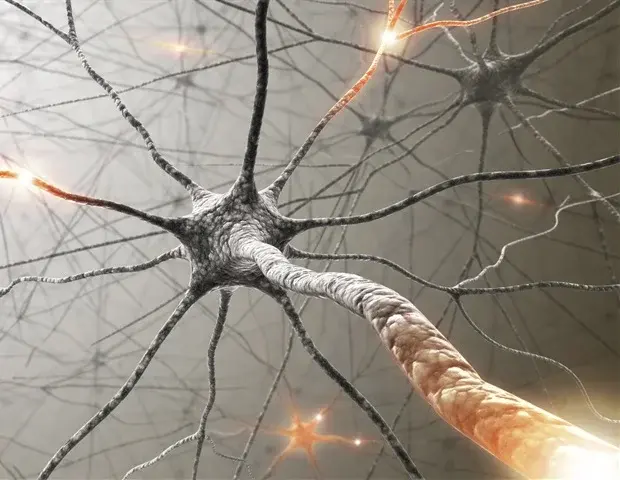
Researchers from Tianjin Medical University have identified a distinct group of immune cells that act as a biological bridge between the nervous and immune systems. Led by Professor Jie Zhou and Professor Qiang Liu, the team published their findings in the journal Immunity & Inflammation. This work highlights how these specific cells facilitate communication between two major body networks. The study was released in September 2026, marking a significant step in understanding systemic health.
Health news
 NeuroXT Secures FDA Clearance for AI Alzheimer’s Risk Tool
 Fountain Life secures top longevity clinic honor for second year running
 Brain Mechanisms for Merging Facial and Vocal Emotions Revealed
 Beacon Biosignals Buys Snap Diagnostics to Expand Home Sleep Testing Reach
The research focuses on the complex interplay between neural signals and immune responses. Traditionally, scientists viewed these systems as separate entities. However, emerging evidence suggests they are deeply interconnected. The team analyzed how specialized immune cells respond to neural cues. These cells do not just fight infection; they also transmit information. They help coordinate the body’s overall defense mechanisms. This discovery provides a clearer map of internal communication pathways.
The nervous system constantly monitors the body’s internal environment. It sends electrical and chemical signals to various organs. Immune cells possess receptors that detect these neural inputs. When activated, these cells alter their behavior accordingly. For instance, stress hormones can suppress certain immune functions. Conversely, other neural signals may enhance inflammation. The reviewed literature details this bidirectional flow of information. It explains how the brain influences peripheral immune activity. This mechanism is crucial for maintaining homeostasis during injury or infection.
Why This Bridge Matters for Chronic Disease
Professor Zhou’s team emphasized the role of specific cell subsets. These cells express markers found in both neural and immune tissues. Their dual nature allows them to integrate signals effectively. The researchers examined gene expression patterns in these cells. They found unique molecular signatures that distinguish them from standard immune cells. This distinction is vital for targeted therapeutic development. Understanding these markers helps identify which cells are most responsive to neural control.
Chronic diseases often involve persistent inflammation and neural dysfunction. Conditions like autoimmune disorders and neurodegenerative diseases show strong links to immune activity. The newly described cellular bridge offers a potential explanation for these links. If neural signals dysregulate these immune cells, chronic inflammation may result. Therapies targeting this interface could treat multiple conditions simultaneously. The review outlines current gaps in knowledge and future research directions. It calls for more studies on human tissue samples. Clinical trials are needed to validate these laboratory findings.
Frequently Asked Questions
The implications extend beyond basic science. Pharmaceutical companies may develop drugs that modulate this neural-immune axis. Such treatments could offer new options for patients with refractory diseases. The collaboration between basic medicine and clinical hospitals ensures practical relevance. Professor Liu’s involvement from the General Hospital bridges academic research and patient care. This interdisciplinary approach accelerates the translation of findings into practice. The scientific community now has a more robust framework for studying systemic inflammation.
Do these specialized cells exist only in humans? Current evidence suggests similar cells are present in animal models. Researchers believe the mechanism is evolutionarily conserved. Further studies will confirm their presence and function in diverse species.
Can stress directly change the number of these cells? Stress hormones influence the activity and migration of these cells. While they may not drastically change cell counts quickly, they significantly alter cell behavior. Long-term stress exposure could impact the overall population size over time.
Content written by Marcus Reid for wellness-bio-radar.com editorial team, AI-assisted.