
Lilly to Pay Up to $3.8 Billion for AtaiBeckley, Targeting Psychedelic “God Molecule”
Why the „God molecule” matters
Eli Lilly announced Thursday it will buy AtaiBeckley for $2.8 billion in cash, with an additional $1 billion in contingent value rights. The deal could total $3.8 billion, positioning Lilly at the forefront of research on 5‑MeO‑DMT, a potent psychedelic derived from the Sonoran Desert toad’s glandular secretions.
Health news
 Voice Recording Predicts Age, Reveals New Biological Clock
 Popular Zero-Calorie Sweeteners May Pass Effects to Future Generations
 Movement Patterns Linked to Longevity
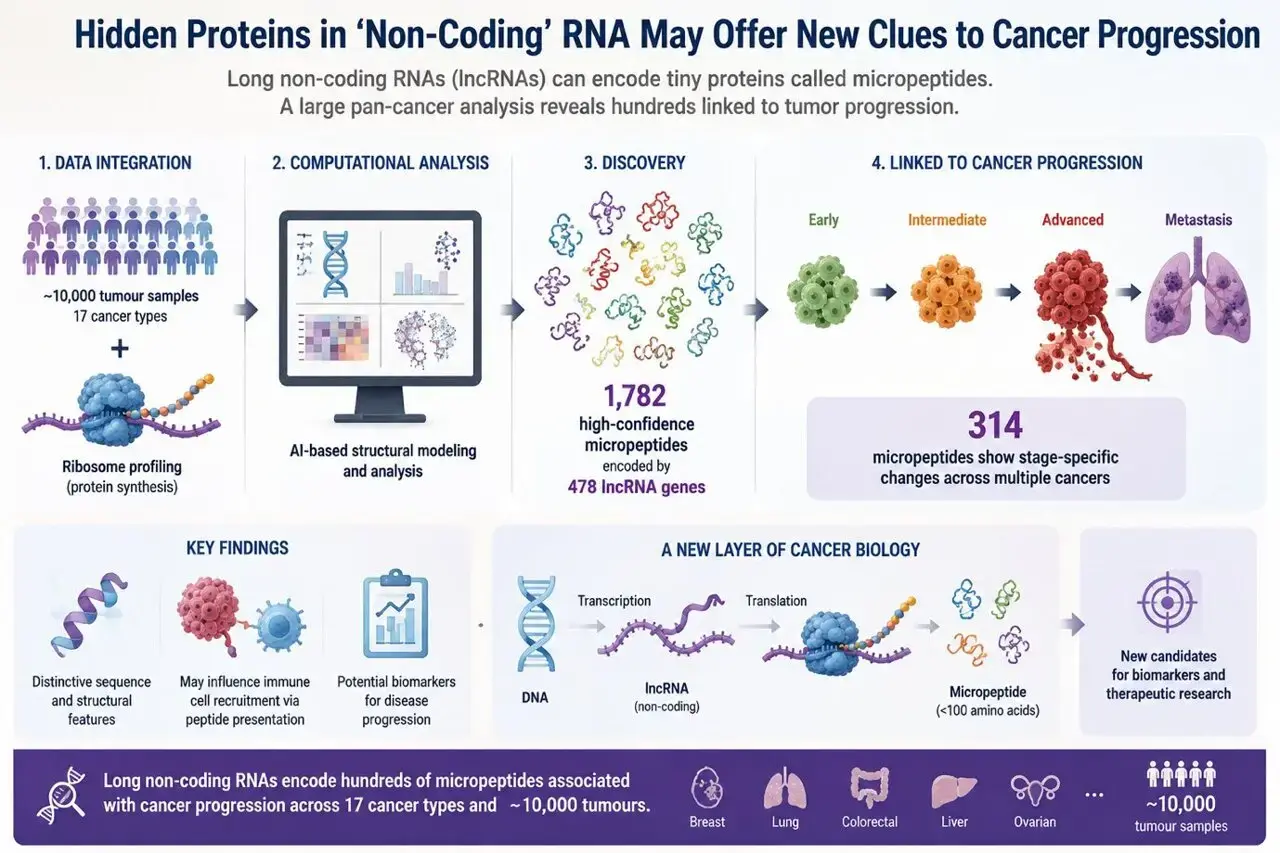 Hidden Proteins In Non-Coding RNA May Explain Cancer Spread
The acquisition follows a wave of major pharmaceutical firms courting psychedelic compounds for mental‑health treatments. AtaiBeckley has focused on developing therapies based on 5‑MeO‑DMT, a molecule sometimes called the „God molecule” for its intense, short‑lasting effects. Lilly’s move signals confidence that the compound could become a cornerstone of future drug pipelines, especially as regulators show growing openness to psychedelic research.
5‑MeO‑DMT is a naturally occurring tryptamine that produces rapid, profound alterations in consciousness. Early studies suggest it may help treat depression, anxiety, and substance‑use disorders, though large‑scale trials are still pending. The molecule’s fast onset and short duration differentiate it from other psychedelics, potentially offering clinicians tighter dosing control. By acquiring AtaiBeckley, Lilly gains direct access to proprietary formulations, patents, and a team experienced in navigating the regulatory landscape for such compounds.
Will the acquisition boost Lilly’s psychedelic pipeline?
Industry analysts note that the $2.8 billion upfront payment reflects both the scarcity of advanced psychedelic assets and the anticipated market value of a successful therapy. Contingent value rights tie part of the purchase price to future milestones, aligning AtaiBeckley’s researchers with Lilly’s commercial goals. The deal also grants Lilly a foothold in the niche but rapidly expanding field of toad‑derived psychedelics, an area that has attracted venture capital and academic interest in recent years.
The purchase could accelerate Lilly’s existing psychedelic initiatives, allowing the company to integrate AtaiBeckley’s candidate programs into its broader R&D framework. Lilly has previously invested in other psychedelic ventures, but this acquisition represents its largest single commitment to a toad‑derived compound. If clinical trials confirm safety and efficacy, the company could file for regulatory approval within the next few years, potentially adding a novel treatment option for patients with treatment‑resistant mental‑health conditions.
The transaction also sends a signal to competitors that large‑scale pharma is willing to invest heavily in psychedelic science. Rival firms may seek similar deals or increase internal funding for related research, intensifying competition for talent and patents. Meanwhile, investors will watch Lilly’s quarterly reports for updates on milestone achievements tied to the contingent value rights.
Frequently Asked Questions
What is 5‑MeO‑DMT? It is a naturally occurring psychedelic found in the secretions of the Sonoran Desert toad, known for its rapid and intense effects on perception.
Why is Eli Lilly interested in this compound? Lilly sees potential therapeutic applications for mental‑health disorders and aims to diversify its pipeline with innovative, fast‑acting psychedelics.
How will the contingent value rights work? Up to $1 billion will be paid if AtaiBeckley meets predefined development milestones, linking future payouts to the success of its drug candidates.
Content written by Marcus Reid for wellness-bio-radar.com editorial team, AI-assisted.