
Limited Screen Use Supports Concussion Recovery
Finding the Optimal Screen Time Balance
Researchers studied 80 teenagers with concussions, finding moderate screen time in the first three days aids faster recovery. The study was published online in a medical journal. It examined the effects of screen time on concussion recovery. The participants were teenagers.
Health news
 Whey Protein Hydrolysate Rich in Tryptophan Peptides Reduces Anxiety and Improves Sleep
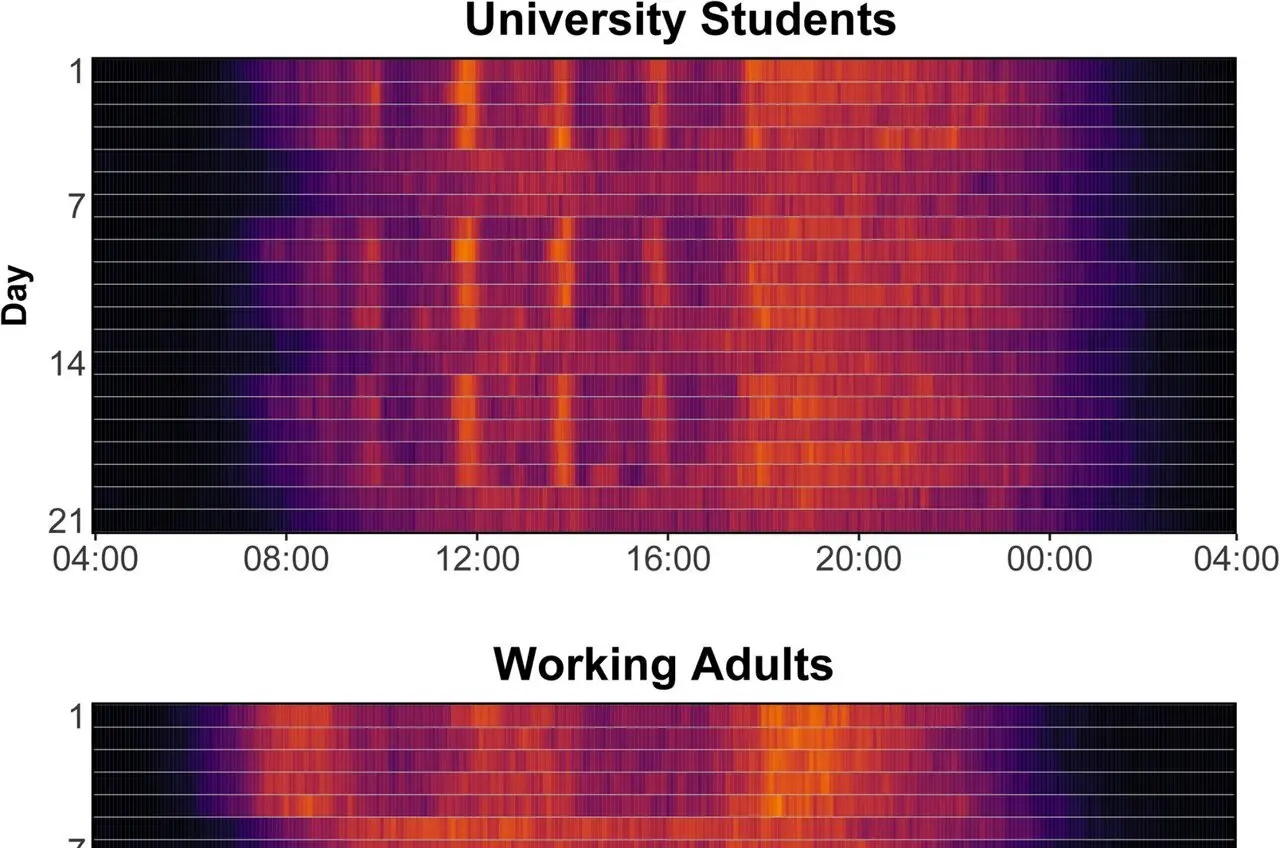 Students Lagg Behind Seniors in Physical Activity, Study Shows
 Sleep May Be the Heart's Nightly Repair Window, Study Suggests
 APOE Genotype Influences How Well Blood Tau Protein Predicts Cognitive Decline
The study found that 141 minutes of daily screen time sped up symptom resolution by 35%. Recovery was slower for those with more or less screen time. The researchers analyzed the data to determine the optimal amount of screen time for concussion recovery.
Can Screen Time Really Aid Recovery?
The study's findings suggest that too little or too much screen time can hinder the recovery process. The researchers believe that moderate screen time may help the brain recover from the injury by providing a balance between rest and stimulation. This balance is crucial in the initial stages of recovery.
The participants who spent around 141 minutes per day on screens reported faster resolution of symptoms. The researchers noted that this amount of screen time may be beneficial as it provides some mental stimulation without overexerting the brain.
Frequently Asked Questions
The study's results challenge the conventional wisdom that screen time should be avoided after a concussion. Instead, the findings suggest that a moderate amount of screen time can be beneficial. The researchers plan to further investigate the effects of screen time on concussion recovery.
The study's findings have significant implications for the treatment of concussions. Doctors may need to reassess their advice on screen time for patients with concussions. A balanced approach to screen time could become a key component of concussion recovery.
Content written by Marcus Reid for wellness-bio-radar.com editorial team, AI-assisted.