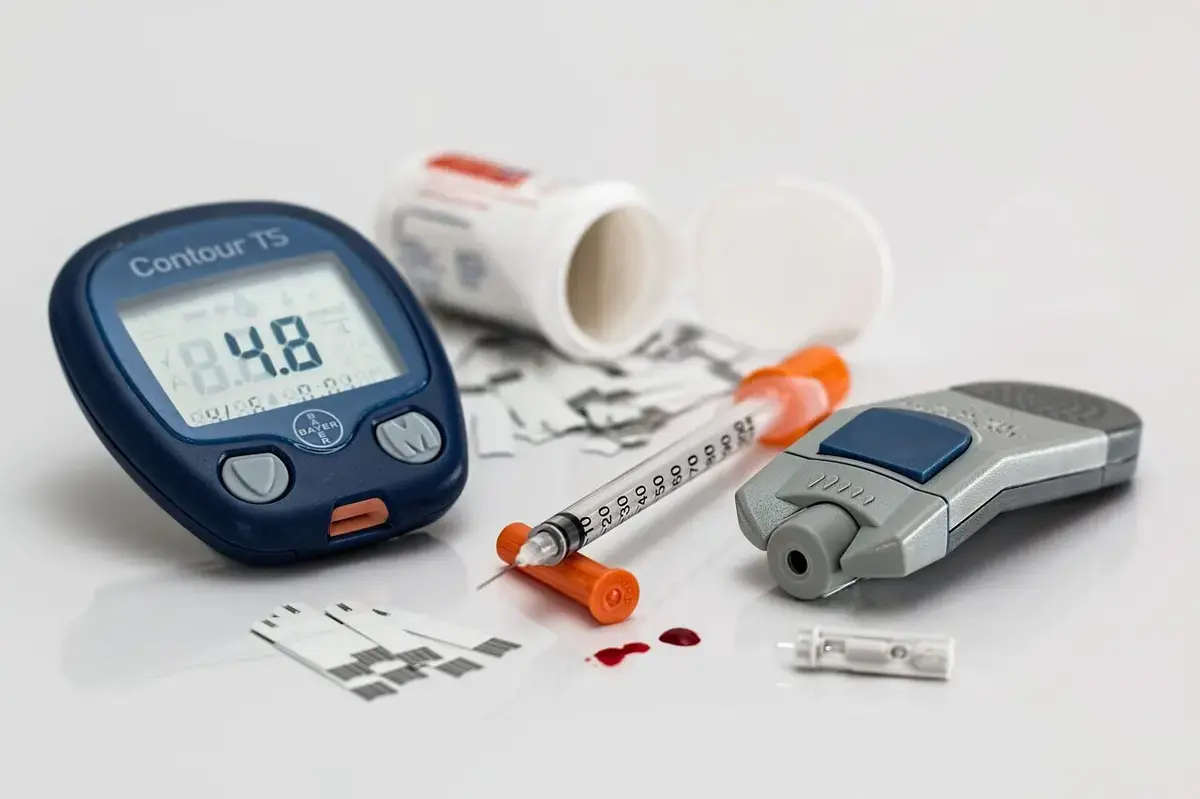
New Approach to Diabetes Care for Aboriginal Communities
Understanding Communication Barriers
A new study explores better ways to help Aboriginal people manage type 2 diabetes. Researchers are focusing on communication tailored to cultural needs. This effort aims to improve health outcomes in these communities, where diabetes rates are particularly high.
Health news
 Sleep May Be the Heart's Nightly Repair Window, Study Suggests
 APOE Genotype Influences How Well Blood Tau Protein Predicts Cognitive Decline
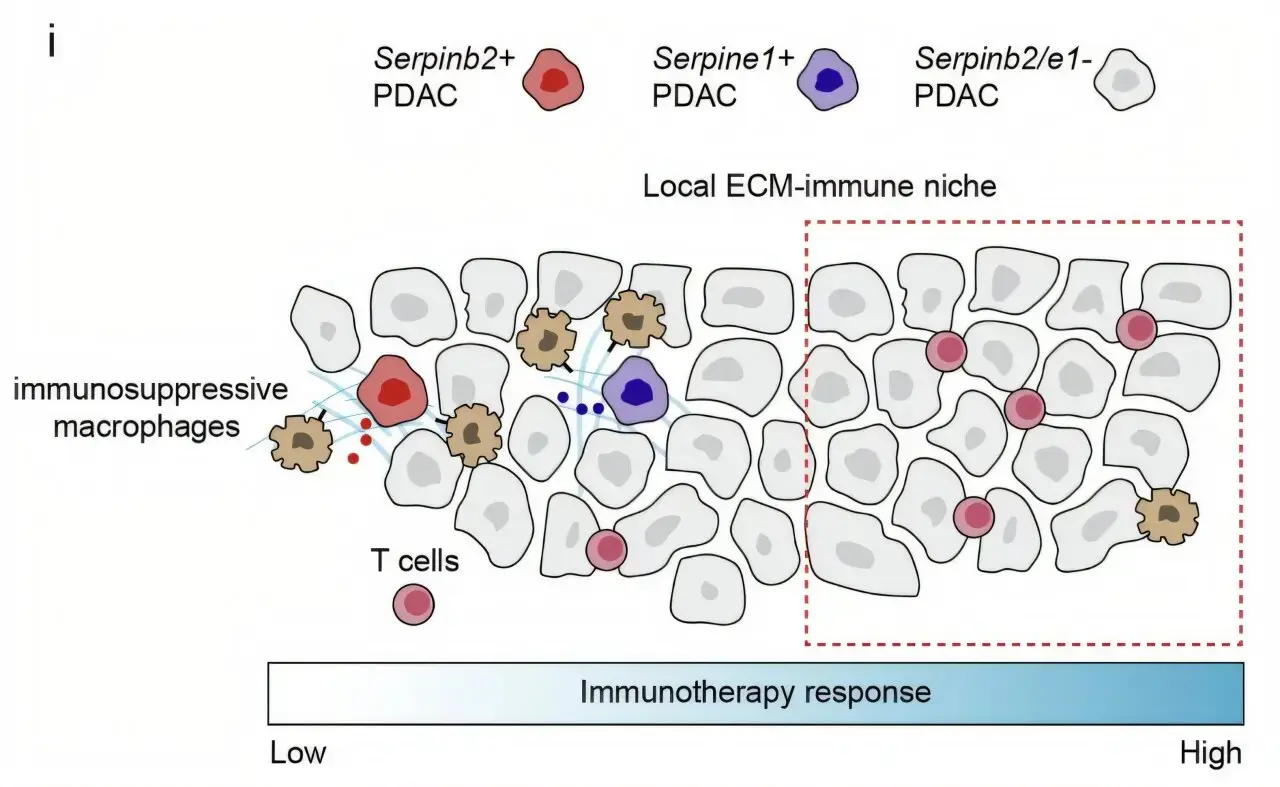 Pancreatic Cancer Hijacks Blood-Clotting System to Evade Immune Attack
 Survey Reveals Most Men Unaware Dairy May Increase Prostate Cancer Risk
The research highlights a critical need for culturally sensitive health information. Standard medical advice often fails to resonate with Aboriginal individuals. This can lead to difficulties in managing their condition effectively.
The study found that communication styles must change. Healthcare providers often use language that is too technical or culturally inappropriate. This creates a barrier between patients and the information they need. Trust is also a major factor in health interactions. A lack of trust can prevent people from following medical advice.
How Can Communication Improve Diabetes Self-Management?
Researchers suggest using storytelling and visual aids. These methods are often more effective in Aboriginal cultures. They help convey complex health messages in an accessible way. Engaging community leaders in health discussions is also vital. Their involvement can build trust and encourage participation.
Improved communication can significantly boost self-management. When people understand their condition better, they are more likely to make healthy choices. This includes diet, exercise, and medication adherence. Tailored information empowers individuals to take control of their health. It moves beyond a one-size-fits-all approach to care.
Better communication also fosters a sense of respect and understanding. This can reduce feelings of alienation often experienced in healthcare settings. Ultimately, a more personalized approach leads to better health and well-being for Aboriginal people living with type 2 diabetes. The goal is to close the health gap through respectful and effective engagement.
Frequently Asked Questions
What is the main challenge in diabetes care for Aboriginal people? The primary challenge is communication. Standard medical information often doesn't fit cultural contexts, making it hard for individuals to understand and act on health advice.
Why is culturally tailored communication important? Culturally tailored communication builds trust and relevance. It uses methods like storytelling and visuals that are more effective within Aboriginal communities, leading to better understanding and self-management.
What are some recommended communication strategies? Strategies include using simpler language, incorporating visual aids, and engaging community leaders. These approaches help bridge the cultural gap and deliver health messages more effectively.
Content written by Dr. Nathan Cole for wellness-bio-radar.com editorial team, AI-assisted.