New Approaches to GLP-1 Medicines
Overcoming Current Limitations
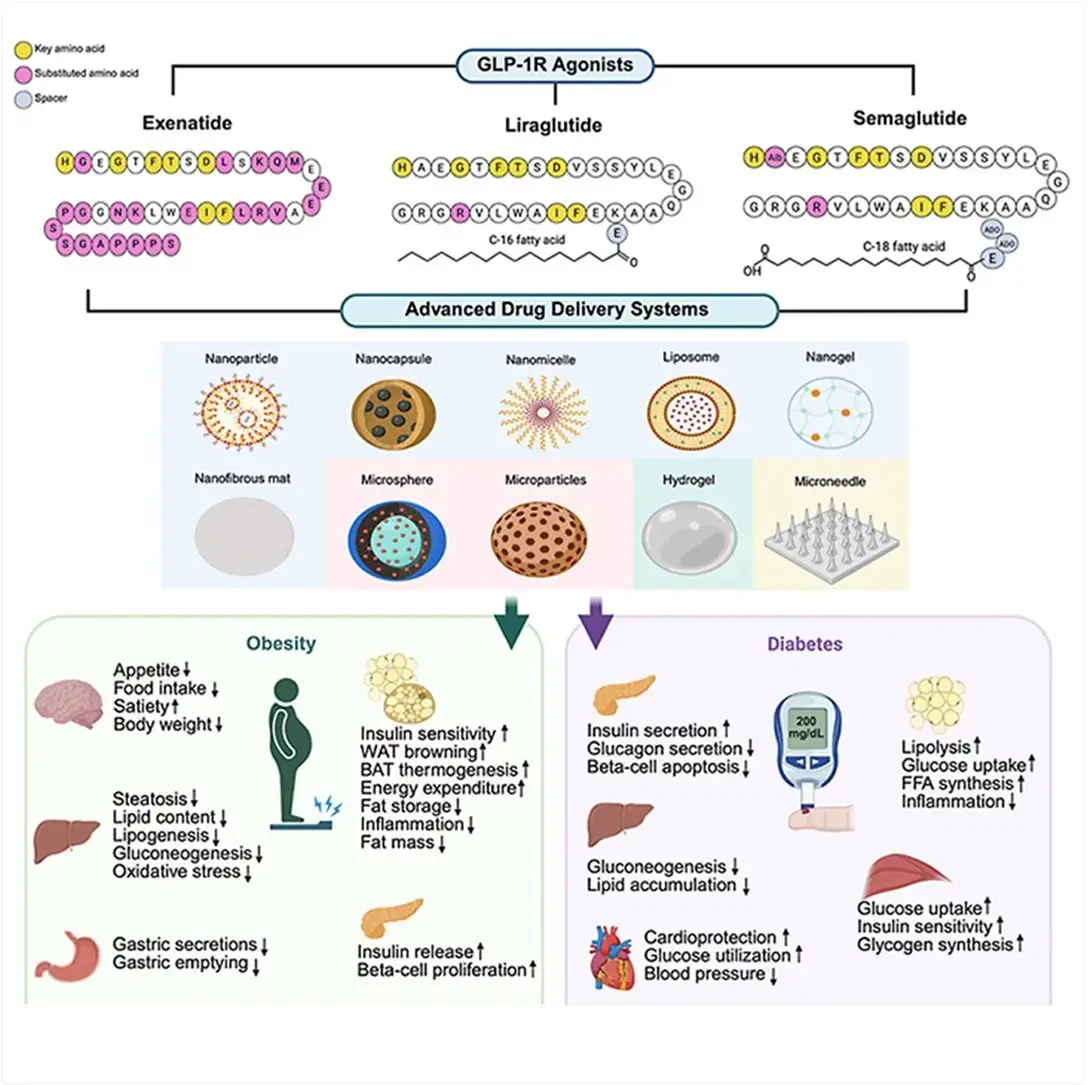
Researchers are exploring alternative delivery methods for GLP-1 medicines to improve their duration, tolerability, and patient compliance. This development comes as scientists seek to enhance the effectiveness of these treatments. Various new methods are being investigated. Studies are ongoing.
Health news
 Sleep May Be the Heart's Nightly Repair Window, Study Suggests
 APOE Genotype Influences How Well Blood Tau Protein Predicts Cognitive Decline
 Pancreatic Cancer Hijacks Blood-Clotting System to Evade Immune Attack
 Survey Reveals Most Men Unaware Dairy May Increase Prostate Cancer Risk
The current GLP-1 receptor agonists have shown significant benefits in managing type 2 diabetes and obesity. However, their short duration of action and gastrointestinal side effects limit their potential. To overcome these limitations, scientists are investigating novel delivery systems, including nanocarriers, microspheres, hydrogels, and microneedles.
These innovative delivery systems aim to provide a more sustained release of GLP-1 medicines, reducing the frequency of injections and minimizing side effects. For instance, nanocarriers can encapsulate the drug, allowing for a controlled release over time. Similarly, microneedles can deliver the medication directly into the skin, potentially improving absorption.
Can New Delivery Systems Revolutionize GLP-1 Treatment?
Long-acting formulations are also being developed to reduce the dosing frequency. These advancements could significantly enhance patient adherence to treatment regimens. While these next-generation delivery systems show promise, they are still in the early stages of development.
The development of more effective and patient-friendly GLP-1 medicines could have a significant impact on the management of type 2 diabetes and obesity. As research continues to advance, these new delivery systems may become a crucial component of treatment strategies.
Frequently Asked Questions
What are the main limitations of current GLP-1 medicines? Current GLP-1 receptor agonists have a short duration of action and can cause gastrointestinal side effects.
How do new delivery systems aim to improve GLP-1 treatment? New delivery systems, such as nanocarriers and microneedles, aim to provide a more sustained release of GLP-1 medicines and minimize side effects.
Are these new delivery systems available for clinical use? No, these next-generation delivery systems are still in the early stages of development and remain years away from routine clinical use.
Content written by Marcus Reid for wellness-bio-radar.com editorial team, AI-assisted.