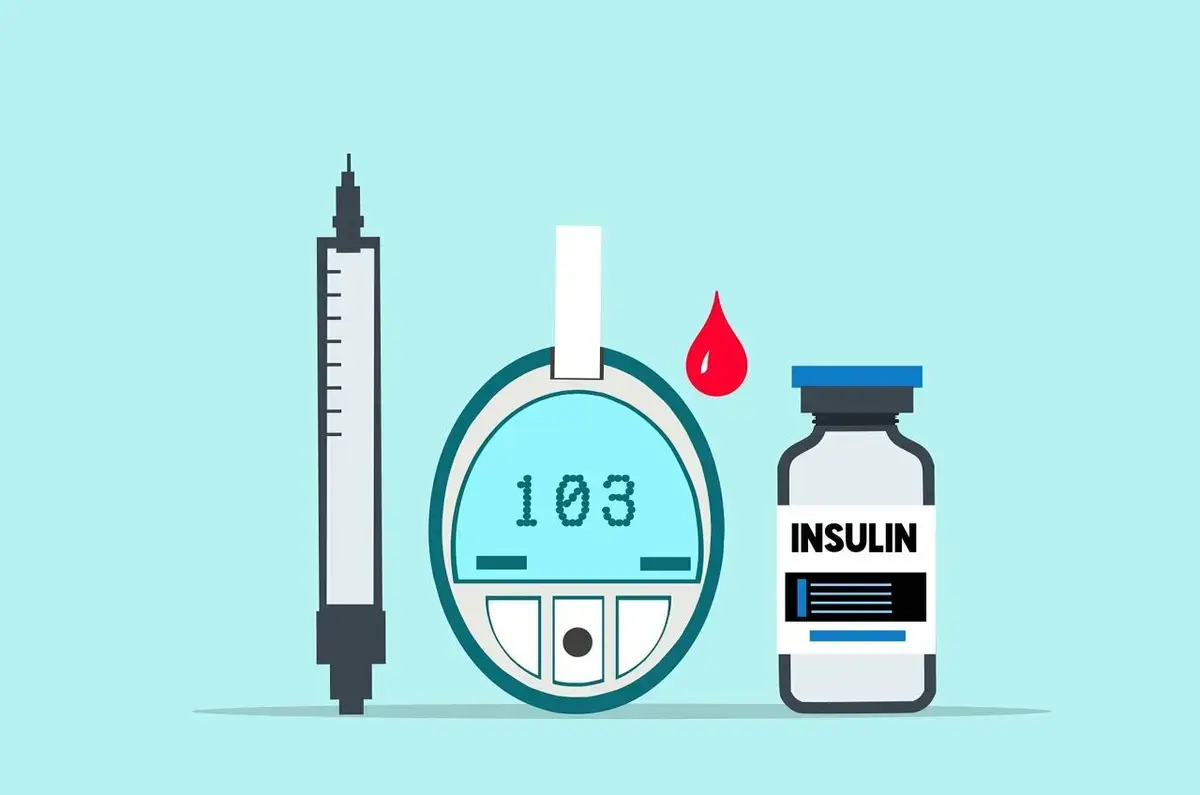
Newer Insulin Cuts Low Blood Sugar Risk in Youth
Reducing Hypoglycemia Risk
Researchers at the University of Pittsburgh led a trial involving young people with type 1 diabetes, publishing their findings in a medical journal. The study focused on comparing newer insulin treatments to traditional ones. Participants were youth with type 1 diabetes.
Health news
 Voice Recording Predicts Age, Reveals New Biological Clock
 Popular Zero-Calorie Sweeteners May Pass Effects to Future Generations
 Movement Patterns Linked to Longevity
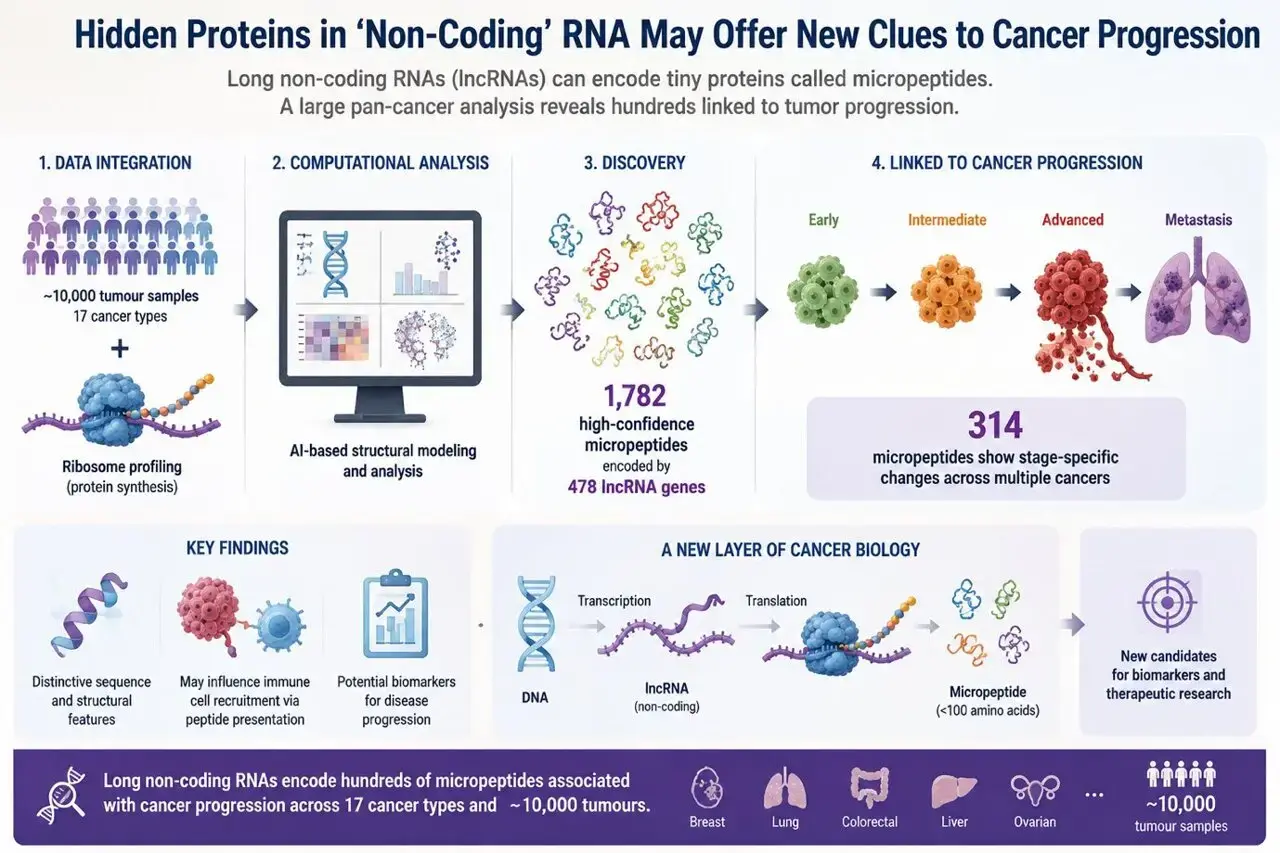 Hidden Proteins In Non-Coding RNA May Explain Cancer Spread
The trial aimed to determine whether newer insulin formulations could reduce the risk of low blood sugar in young people with type 1 diabetes. Low blood sugar, or hypoglycemia, is a significant concern for those managing the condition, as it can lead to serious health issues if not promptly addressed. The study compared the efficacy of newer insulin analogs to that of older human insulin in maintaining blood glucose levels within a safe range.
Can Newer Insulins Improve Diabetes Management?
The study's results showed that the newer insulin analogs were more effective in reducing the incidence of low blood sugar compared to traditional human insulin. This is because newer insulins have a more predictable action profile, allowing for more precise dosing and better glucose control. According to the researchers, this improvement is crucial for young people with type 1 diabetes, as it can enhance their quality of life and reduce the risk of diabetes-related complications.
The trial's findings have significant implications for the management of type 1 diabetes in youth. By reducing the risk of hypoglycemia, newer insulins can make it easier for young people to manage their condition, potentially leading to better long-term health outcomes. The researchers suggest that the use of newer insulin analogs should be considered for young patients with type 1 diabetes.
Frequently Asked Questions
The study's results are expected to influence clinical practice guidelines for the treatment of type 1 diabetes in young people, potentially leading to wider adoption of newer insulin formulations. As a result, many young people with the condition may benefit from improved glucose control and a reduced risk of hypoglycemia.
What is type 1 diabetes? Type 1 diabetes is an autoimmune condition where the body's immune system attacks the insulin-producing cells in the pancreas. How do newer insulins work? Newer insulin analogs are designed to have a more predictable action profile, allowing for more precise dosing and better glucose control. What are the benefits of reducing low blood sugar risk? Reducing the risk of hypoglycemia can enhance the quality of life for young people with type 1 diabetes and reduce the risk of diabetes-related complications.
Content written by Marcus Reid for wellness-bio-radar.com editorial team, AI-assisted.