Weight Loss Surgery Cuts Cancer Death Risk in Women
Uncovering the Link Between Weight Loss and Cancer Risk
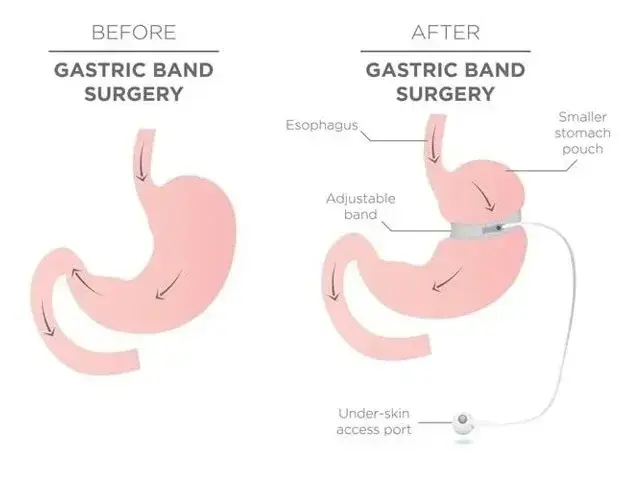
Researchers at the University of Gothenburg have found a link between significant weight loss and reduced cancer mortality rates, primarily in women. The studies were based on the Swedish Obese Subjects research program and published on May 25.
Health news
 Sleep May Be the Heart's Nightly Repair Window, Study Suggests
 APOE Genotype Influences How Well Blood Tau Protein Predicts Cognitive Decline
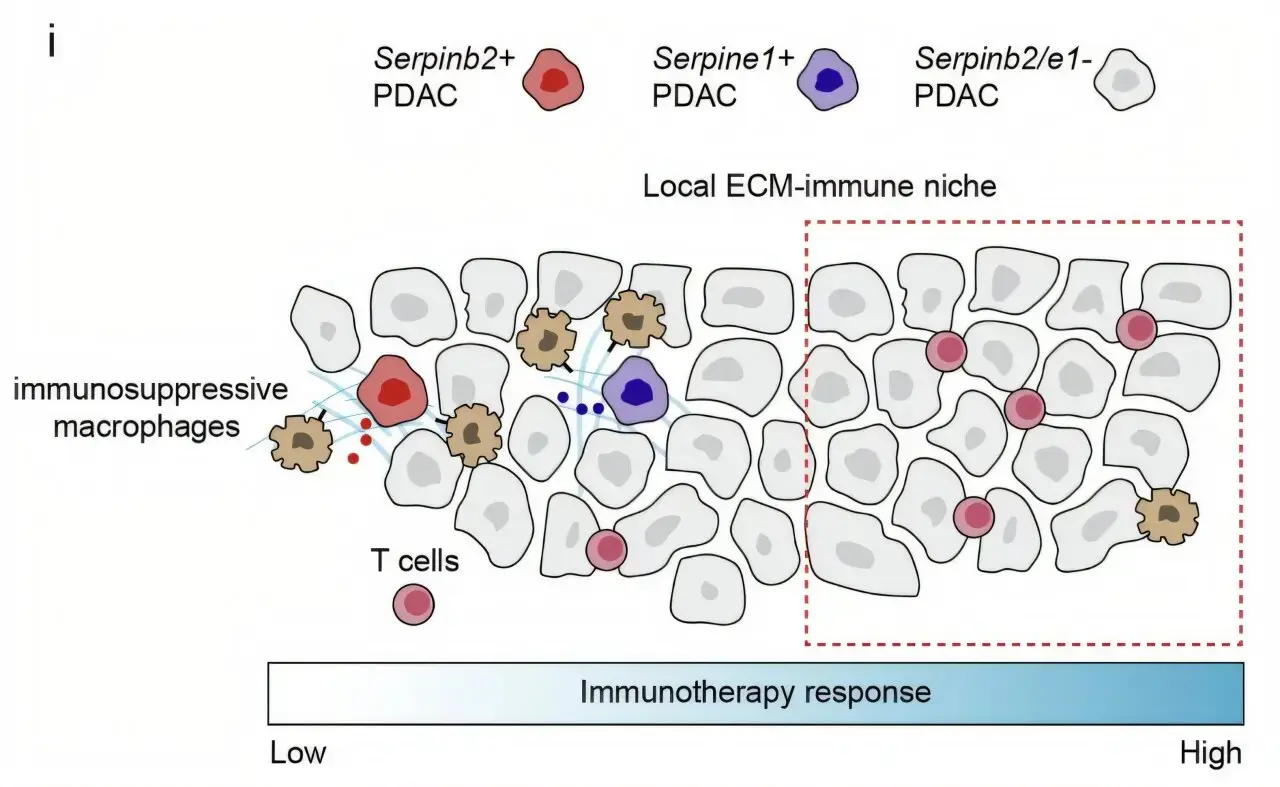 Pancreatic Cancer Hijacks Blood-Clotting System to Evade Immune Attack
 Survey Reveals Most Men Unaware Dairy May Increase Prostate Cancer Risk
Substantial and sustained weight loss has been associated with a lower risk of cancer and cancer-related death. Two new studies provide insights into the reasons behind this reduced risk, highlighting the potential roles of gender, metabolism, and genetics.
Can Genetics Explain the Gender Difference?
The research suggests that the connection between weight loss and reduced cancer risk is complex. The studies found that women who underwent surgical weight loss experienced a significant reduction in cancer risk, whereas the effect was less pronounced in men. Experts believe that hormonal changes and metabolic improvements may contribute to this disparity.
The Swedish Obese Subjects research program tracked participants over an extended period, providing valuable data on the long-term effects of weight loss. By analyzing this data, researchers gained a deeper understanding of the relationship between weight loss and cancer risk.
The studies' findings imply that genetic factors may influence the link between weight loss and cancer risk. Further research is needed to determine the specific genetic mechanisms at play. Understanding these factors could help clinicians develop more effective treatment strategies for patients undergoing weight loss surgery.
Frequently Asked Questions
The discovery of a link between weight loss surgery and reduced cancer mortality rates has significant implications for the treatment of obesity and cancer. As researchers continue to explore the underlying mechanisms, clinicians may be able to develop more targeted approaches to reducing cancer risk in patients who have undergone substantial weight loss.
What type of weight loss is associated with reduced cancer risk? Significant and sustained weight loss, typically achieved through surgical intervention, is linked to a lower risk of cancer and cancer-related death. Does weight loss surgery benefit men as well as women? While the studies found a more pronounced effect in women, men may still benefit from weight loss surgery in terms of reduced cancer risk, albeit to a lesser extent. What are the next steps in this research? Further studies are needed to uncover the genetic and metabolic mechanisms underlying the link between weight loss and cancer risk.
Content written by Marcus Reid for wellness-bio-radar.com editorial team, AI-assisted.