Older Adults at Risk from Cumulative Radiation Exposure
Assessing the Risks of Repeated Imaging
Researchers have sounded the alarm on a critical oversight in clinical studies involving older adults, where cumulative radiation exposure is often not considered. A new study highlights the potential risks associated with repeated imaging tests. This gap in research protocols has significant implications. The issue affects many older adults participating in studies.
Health news
 Voice Recording Predicts Age, Reveals New Biological Clock
 Popular Zero-Calorie Sweeteners May Pass Effects to Future Generations
 Movement Patterns Linked to Longevity
 Hidden Proteins In Non-Coding RNA May Explain Cancer Spread
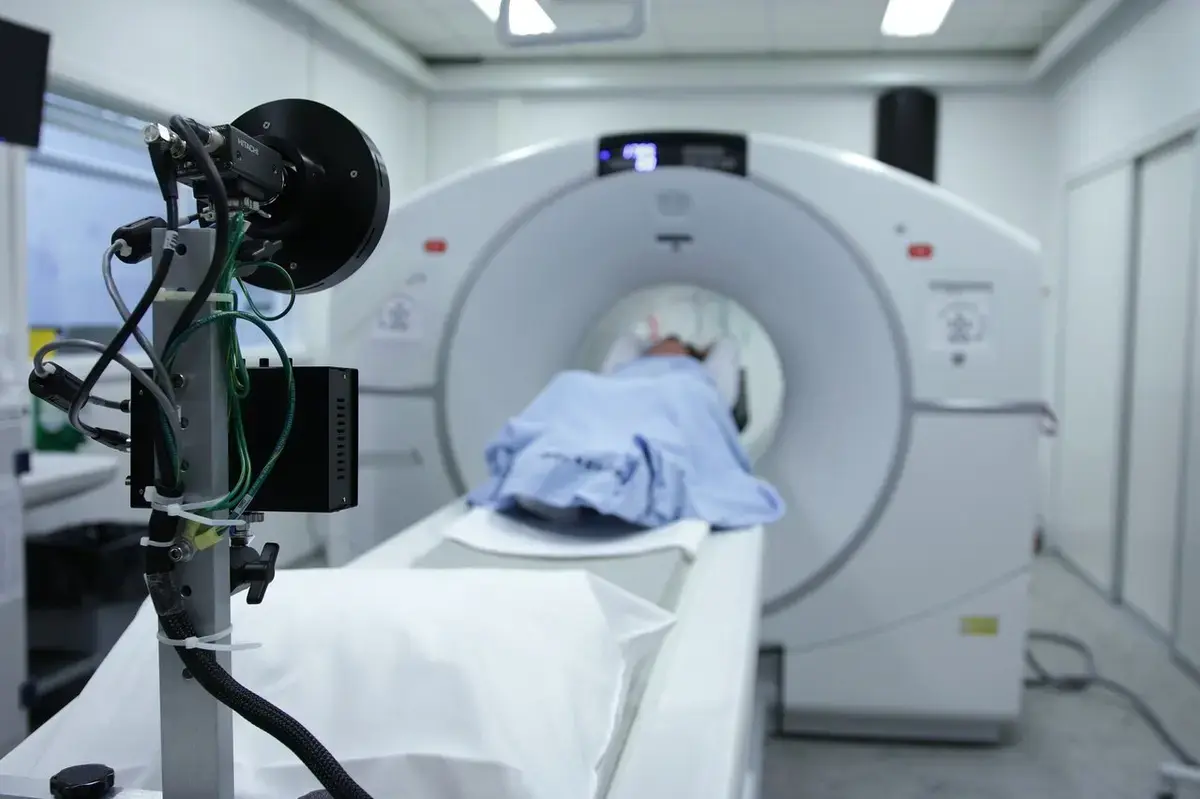
The problem arises from the frequent use of imaging techniques such as CT scans in clinical research. These tests expose participants to ionizing radiation, which can increase the risk of cancer and other health issues. Older adults are particularly vulnerable due to their age and potential accumulation of radiation exposure over time. As a result, researchers may be overlooking a critical factor that could impact study outcomes.
Are Researchers Underestimating Radiation Risks?
Repeated exposure to radiation through imaging tests can have serious consequences for older adults. The risk of radiation-induced harm is higher in this population due to their increased sensitivity and potential for accumulated exposure. Researchers must carefully weigh the benefits of imaging tests against the potential risks. Studies have shown that cumulative radiation exposure can lead to increased cancer risk.
The lack of consideration for cumulative radiation exposure in clinical research studies is a concern that needs to be addressed. Researchers should take steps to minimize radiation exposure and monitor cumulative doses. This can be achieved by using alternative imaging techniques or adjusting study protocols to reduce the number of imaging tests. By doing so, researchers can help mitigate the risks associated with radiation exposure.
Frequently Asked Questions
The consequences of ignoring cumulative radiation exposure in clinical research studies could be severe. Older adults may be exposed to unnecessary risks, which could impact not only their health but also the validity of study findings. As researchers move forward, it is essential that they prioritize the safety of study participants and take steps to minimize radiation exposure.
What are the risks associated with cumulative radiation exposure? Cumulative radiation exposure can increase the risk of cancer and other health issues, particularly in older adults. Repeated imaging tests can lead to accumulated exposure. How can researchers minimize radiation exposure in clinical studies? Researchers can use alternative imaging techniques or adjust study protocols to reduce the number of imaging tests. What steps can be taken to monitor cumulative radiation exposure? Researchers should monitor cumulative radiation doses and carefully weigh the benefits of imaging tests against the potential risks.
Content written by Dr. Elena Voss for wellness-bio-radar.com editorial team, AI-assisted.