
Study Links Postoperative Delirium to Increased Dementia Risk in Older Adults
Understanding the Mechanism Behind Delirium
Researchers at the University of Virginia Health System have uncovered a connection between postoperative delirium and the potential onset of dementia in older patients. This discovery, announced on August 18, 2026, highlights the importance of understanding delirium's long-term effects on cognitive health.
Health news
 Sleep May Be the Heart's Nightly Repair Window, Study Suggests
 APOE Genotype Influences How Well Blood Tau Protein Predicts Cognitive Decline
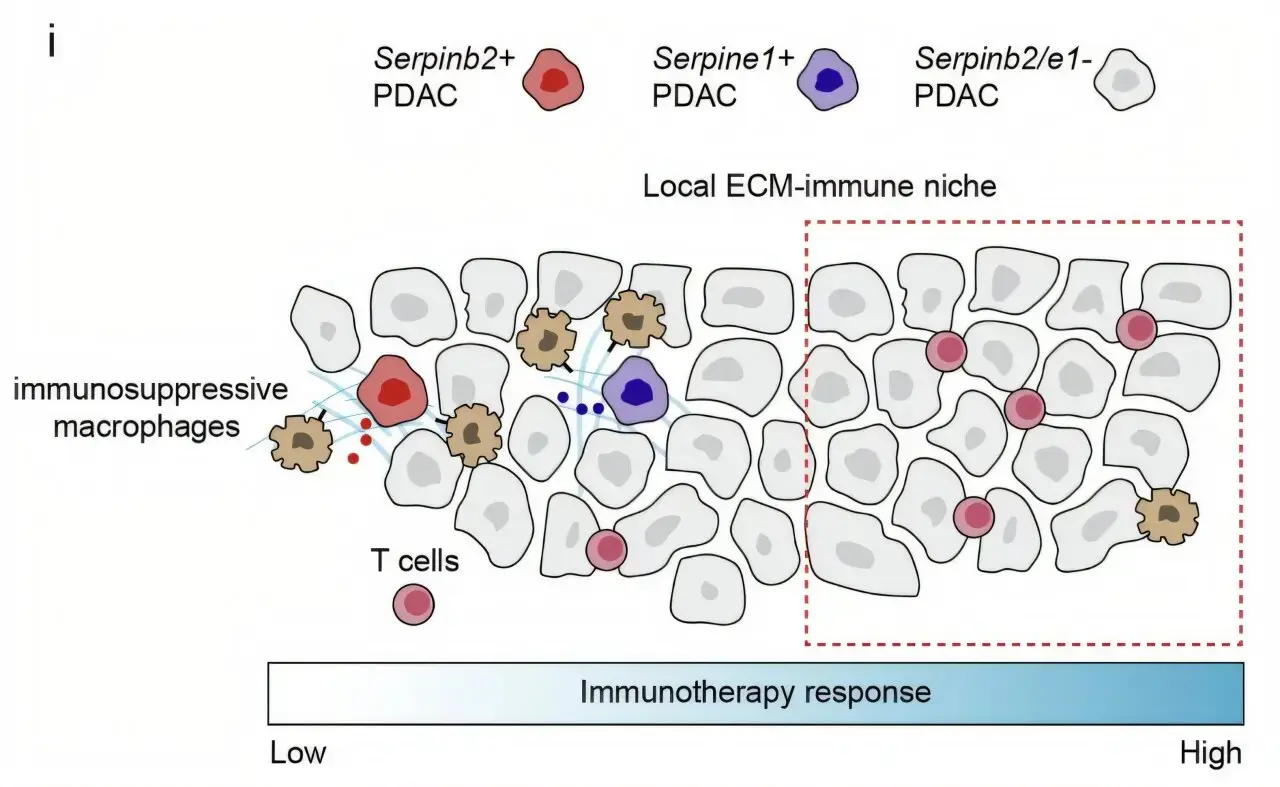 Pancreatic Cancer Hijacks Blood-Clotting System to Evade Immune Attack
 Survey Reveals Most Men Unaware Dairy May Increase Prostate Cancer Risk
The study, led by Dr. Nadia Lunardi and Dr. Hari Prasad Osuru, reveals that delirium, a common condition affecting elderly individuals after surgery, may lead to significant brain changes. These changes could increase the risk of developing dementia later in life. The researchers identified specific alterations in the brain's structure and function that occur during episodes of delirium.
Delirium is characterized by confusion, agitation, and altered consciousness. It often affects older adults following surgical procedures, particularly those involving anesthesia. The UVA team found that anesthetics might trigger a cascade of neurobiological changes. These changes can disrupt neural connections, setting the stage for cognitive decline.
Can Delirium Be Prevented?
„We believe that understanding these mechanisms is crucial,”Dr. Lunardi stated. „If we can identify how delirium contributes to dementia, we may be able to intervene more effectively.”The researchers have also pinpointed a potential drug that could reverse some of these brain changes, offering hope for prevention strategies.
Preventing delirium in older patients is a growing concern in medical practice. The UVA researchers emphasize that early identification and management of risk factors are essential. Factors such as dehydration, medication side effects, and sensory impairments can increase the likelihood of delirium.
„By addressing these issues before surgery, we may reduce the incidence of delirium and its long-term consequences,”Dr. Osuru explained. The study suggests that healthcare providers should adopt a proactive approach to safeguard cognitive health in older adults undergoing surgery.
The implications of this research are significant. If delirium is indeed a precursor to dementia, then targeting it could alter the course of cognitive decline for many elderly patients. As the population ages, understanding and addressing postoperative delirium will become increasingly critical.
Frequently Asked Questions
What is postoperative delirium? Postoperative delirium is a temporary state of confusion and cognitive impairment that occurs in some older adults after surgery. It can manifest as disorientation, agitation, or altered consciousness.
How does delirium relate to dementia? Research suggests that episodes of delirium can lead to long-lasting changes in the brain that may increase the risk of developing dementia later in life. Understanding this link could help in developing preventive strategies.
Is there a treatment for delirium? While there is no specific cure for delirium, identifying and addressing underlying causes can help manage the condition. Researchers are exploring medications that may reverse brain changes associated with delirium.
Content written by Dr. Elena Voss for wellness-bio-radar.com editorial team, AI-assisted.