
Rising Obesity Linked to Cancer Increase in Young Adults
Beyond Weight: Understanding the Biological Link
A new study reveals a strong connection between rising obesity rates and increasing cancer diagnoses in young adults across England. Researchers found eleven types of cancer are becoming more common in those aged 20 to 49, analyzing data from 2001 to 2019. The Institute of Cancer Research and Imperial College London conducted the research.
Health news
 Sleep May Be the Heart's Nightly Repair Window, Study Suggests
 APOE Genotype Influences How Well Blood Tau Protein Predicts Cognitive Decline
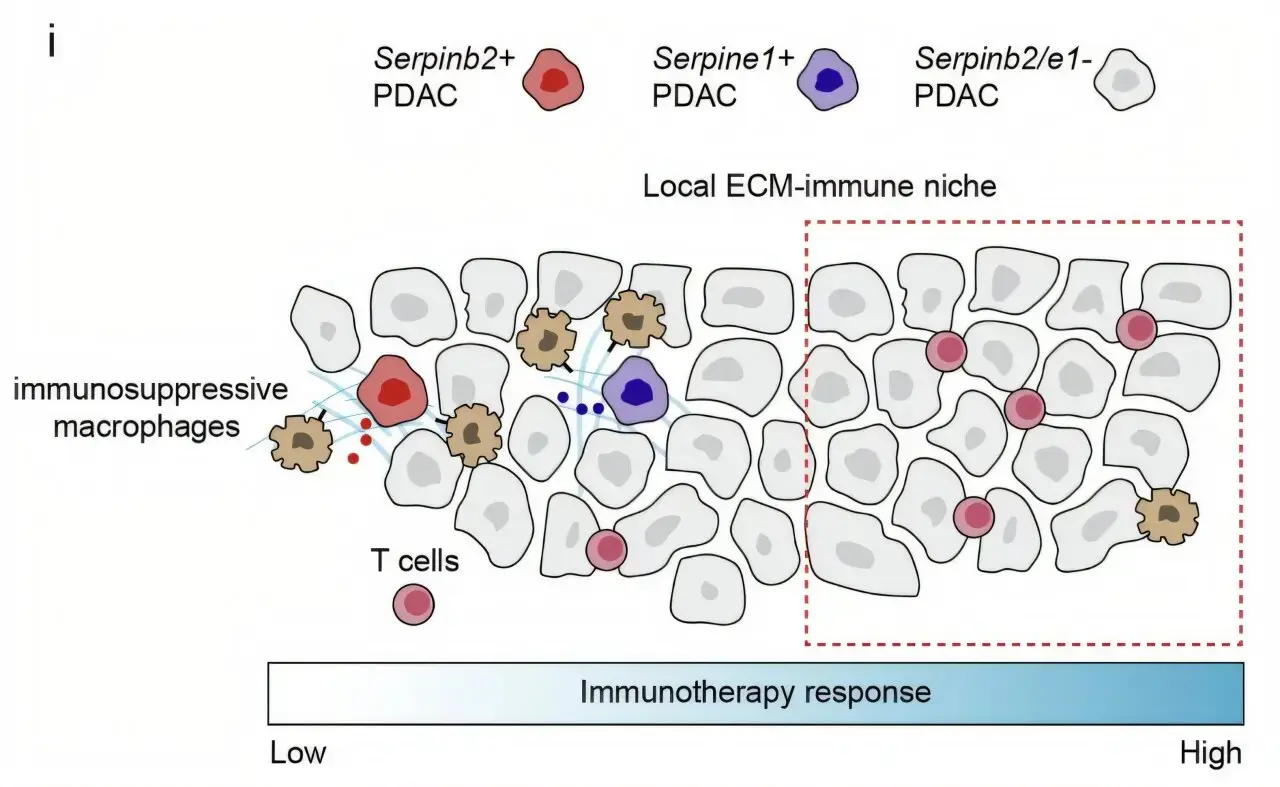 Pancreatic Cancer Hijacks Blood-Clotting System to Evade Immune Attack
 Survey Reveals Most Men Unaware Dairy May Increase Prostate Cancer Risk
The analysis pinpointed obesity as a key driver behind the upward trend. Specifically, cancers of the bowel, kidney, liver, and ovary showed notable increases during the study period. Scientists emphasize obesity isn’t the sole cause, but a significant contributing factor alongside lifestyle and environmental changes.
Obesity causes chronic inflammation within the body. This ongoing inflammation can damage cells and DNA over time. Damaged DNA increases the risk of cancerous growth. Additionally, excess body fat produces hormones that promote cancer development. These hormonal imbalances can fuel the spread of cancer cells.
Is This a Preventable Crisis?
Researchers examined data from over 33 million people. They found a clear correlation between the growing obesity epidemic and the rising incidence of these specific cancers. The study highlights a worrying trend, as cancer rates typically decline with younger age groups. This shift suggests a changing landscape of cancer risk.
The increasing rates aren't limited to one demographic. Both men and women are experiencing this rise in cancer diagnoses. Bowel cancer saw the largest increase, with a 38% rise in those aged 25-49. Kidney cancer increased by 28% in the same age group. Ovarian cancer showed a 17% increase, presenting a particularly concerning trend for women.
Scientists believe preventative measures could significantly impact these numbers. Public health initiatives focusing on healthy diets and regular exercise are crucial. Early detection through screening programs also plays a vital role in improving outcomes. Addressing obesity at a population level could curb this alarming trend.
Frequently Asked Questions
The long-term consequences of this increase could strain healthcare systems. More young people requiring cancer treatment will demand resources. Further research is needed to fully understand the complex interplay of factors driving these trends. A proactive approach to public health is essential to mitigate the impact.
What role does diet play in this cancer risk? A diet high in processed foods and sugar contributes to obesity. This, in turn, increases inflammation and hormonal imbalances linked to cancer. Focusing on whole, unprocessed foods is a vital preventative step.
Are there other factors besides obesity involved? While obesity is a key driver, lifestyle factors like smoking and alcohol consumption also contribute. Environmental factors and genetic predisposition can also play a role in cancer development.
Content written by Dr. Nathan Cole for wellness-bio-radar.com editorial team, AI-assisted.