
Rising Colon Cancer in Young Adults Puzzles Doctors
Uncovering the Causes of Early-Onset Colorectal Cancer
Colorectal cancer cases are surging in younger adults, with many being diagnosed at a late stage. This trend is being observed globally, with a significant increase in cases among people under 50. The University of Geneva researchers have been studying this phenomenon.
Health news
 Sleep May Be the Heart's Nightly Repair Window, Study Suggests
 APOE Genotype Influences How Well Blood Tau Protein Predicts Cognitive Decline
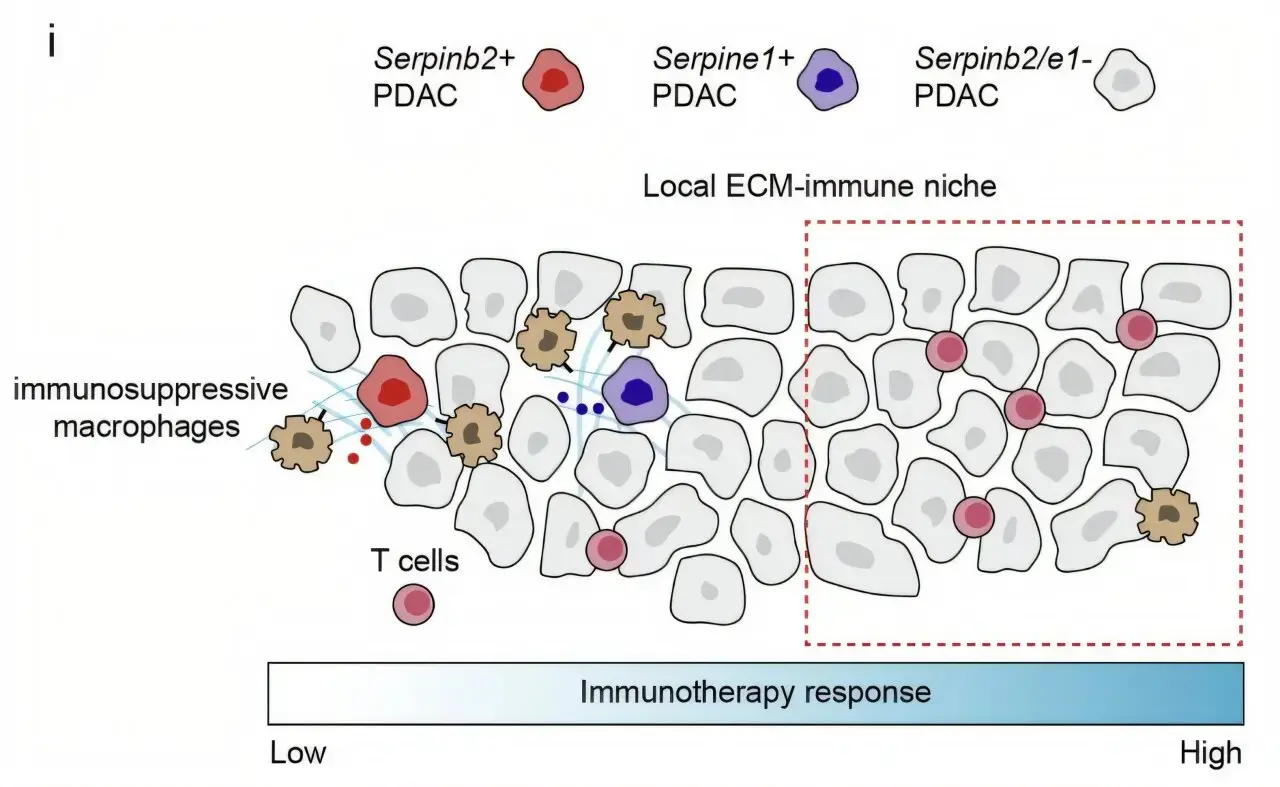 Pancreatic Cancer Hijacks Blood-Clotting System to Evade Immune Attack
 Survey Reveals Most Men Unaware Dairy May Increase Prostate Cancer Risk
The disease was once considered an older person's affliction, but now it's increasingly affecting younger generations. Doctors are struggling to understand the reasons behind this shift. Lifestyle changes, dietary habits, and environmental factors are being investigated as potential contributing factors.
Are We Missing the Warning Signs?
Researchers are examining the role of genetics, obesity, and physical inactivity in the development of colorectal cancer in young adults. Some studies suggest that a Western-style diet, high in processed meat and low in fiber, may be a contributing factor. Experts are also exploring the link between early-life exposures and the risk of developing colorectal cancer.
A recent study found that young adults with colorectal cancer often have more aggressive tumors and poorer prognosis than older adults. „We're seeing a lot of patients in their 30s and 40s with advanced disease,”said a researcher. The lack of awareness and screening among young adults is contributing to delayed diagnoses.
The increasing incidence of colorectal cancer in young adults raises questions about the effectiveness of current screening guidelines. Should screening start earlier, and what are the risk factors that warrant earlier screening? Researchers are working to identify biomarkers and develop more effective screening tools.
Frequently Asked Questions
The rising incidence of colorectal cancer in young adults has significant implications for public health. If left unchecked, this trend could lead to a substantial increase in colorectal cancer-related mortality. As researchers continue to investigate the causes of this trend, it's essential to raise awareness and promote early detection.
What are the symptoms of colorectal cancer? Symptoms include blood in the stool, abdominal pain, and changes in bowel habits. Is colorectal cancer in young adults more aggressive? Yes, young adults often have more aggressive tumors and poorer prognosis. Can lifestyle changes reduce the risk of colorectal cancer? Maintaining a healthy diet, being physically active, and avoiding obesity may reduce the risk.
Content written by Claire Ashworth for wellness-bio-radar.com editorial team, AI-assisted.