Placenta: A Silent Witness to a Child’s Future Health
How Placental Defenses Fail
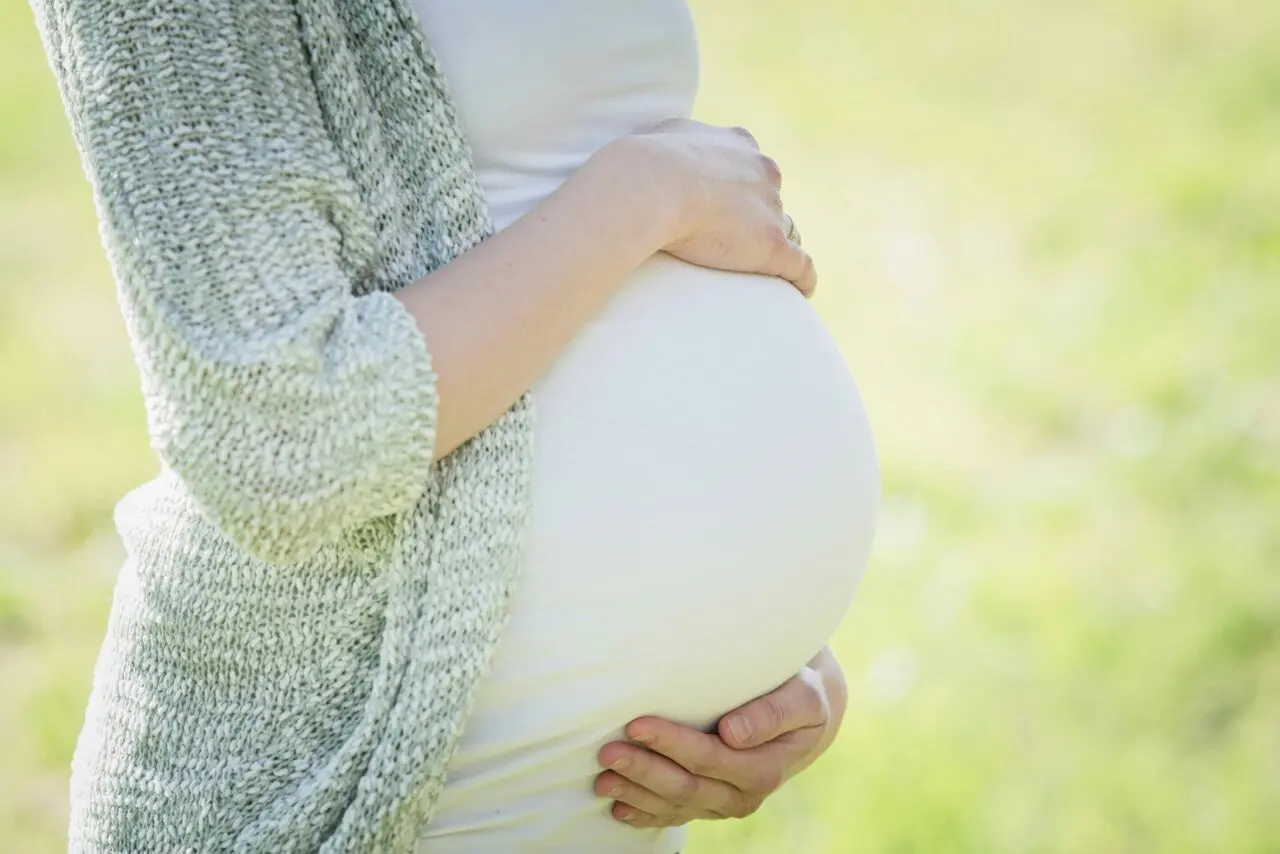
The placenta, the vital organ that nourishes and protects a fetus for nine months, is typically discarded as medical waste shortly after birth. Yet new research suggests it holds valuable clues about a child’s future health and a mother’s future pregnancies. Indira Mysorekar, the university’s newly appointed vice dean for research, explains why scientists are reexamining this often overlooked tissue.
Health news
 Exercise and Mood: Italian Study Links Physical Activity to Lower Depression Symptoms
 Screen Time in Childhood Linked to Unexpected Cognitive Boost in Teens, 8‑Year Study Shows
 Workplace stress and anxiety are taking a heavy toll on employees, with one in three workers reporting that the strain is not easing
 Daily Food Habit Tied to Lower Risk of Anxiety and Depression
Mysorekar’s team has begun to analyze placental samples to uncover patterns that could predict developmental disorders, metabolic issues, and even long‑term cardiovascular risk. By studying the placenta’s cellular composition and the presence of specific biomarkers, researchers hope to identify early warning signs that are otherwise invisible until later in life.
The placenta is designed to filter harmful substances while allowing essential nutrients to pass through. However, certain infections can bypass these defenses, leading to complications for both mother and baby. Scientists have discovered that pathogens can exploit gaps in the placental barrier, especially during the early stages of pregnancy. Understanding the mechanisms of these breaches is crucial for developing preventive strategies and treatments.
What Can We Learn From the Placenta?
Mysorekar notes that the placenta’s immune system is a double‑edged sword. While it protects the fetus from many threats, it also creates a unique environment where some viruses can thrive. By mapping the immune response within the placenta, researchers aim to pinpoint the exact moments when infections slip through.
The organ’s structure and composition change throughout gestation, reflecting the mother’s health and the fetus’s development. „Each placenta is a record of the pregnancy,” says Mysorekar. „It tells us about nutrition, stress levels, and exposure to toxins.” By comparing placentas from healthy pregnancies with those affected by complications, scientists can identify markers that predict future health risks.
These findings could lead to new screening tools for expectant mothers. Early detection of potential problems would allow for timely interventions, improving outcomes for both mother and child. Additionally, understanding placental biology may inform fertility treatments and help predict the success of future pregnancies.
Can Placenta Testing Become Routine?
The prospect of routine placental testing raises ethical and practical questions. „We need to balance the benefits of early detection with the costs and potential anxiety for parents,” Mysorekar cautions. She emphasizes that any new screening protocol must be evidence‑based and accessible to all populations.
If proven effective, placental analysis could become a standard part of prenatal care. Health professionals would use the data to tailor nutrition plans, monitor fetal growth, and adjust medication regimens. The long‑term goal is a personalized approach to pregnancy that reduces complications and promotes lifelong health.
Frequently Asked Questions
What types of infections can cross the placenta? Viruses such as cytomegalovirus, rubella, and Zika, as well as certain bacteria, can infiltrate the placental barrier, especially during the first trimester.
How is placental tissue collected for analysis? After delivery, the placenta is usually removed and discarded. Researchers now collect samples under sterile conditions for laboratory testing.
Will placental testing be available to all expectant mothers? While research is ongoing, widespread implementation will depend on cost, regulatory approval, and proven clinical benefits.